Tapes
When you’re choosing tapes, start with what has to hold, what surface it’s going on, and whether it needs to come off cleanly later. A light-duty roll is fine for quick fixing and marking. Once the job needs a stronger bond or better weather resistance, you need a heavier grade and often a different adhesive. Buying by width alone is where most jobs go wrong. The backing and grab matter just as much.
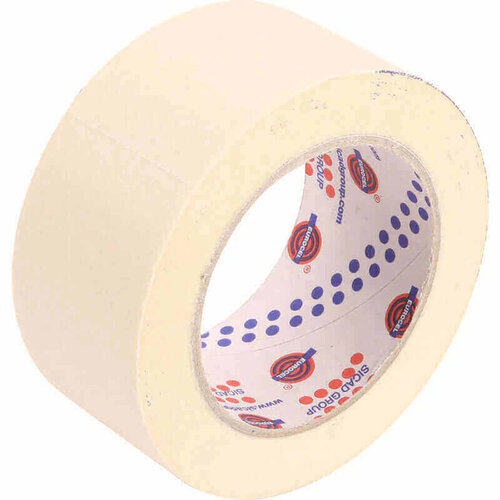
GP Masking Tape - 2"
GP masking tape, 50mm wide, protects surfaces during painting
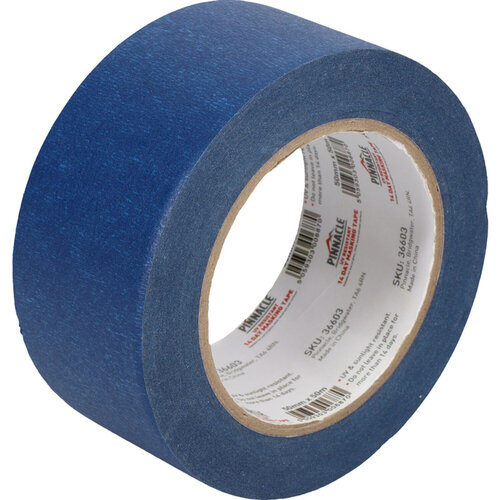
Pinnacle UV Resistant 14 Day Masking Tape - 50mm x 50m
Blue UV-resistant masking tape for clean exterior masking up to 14 days
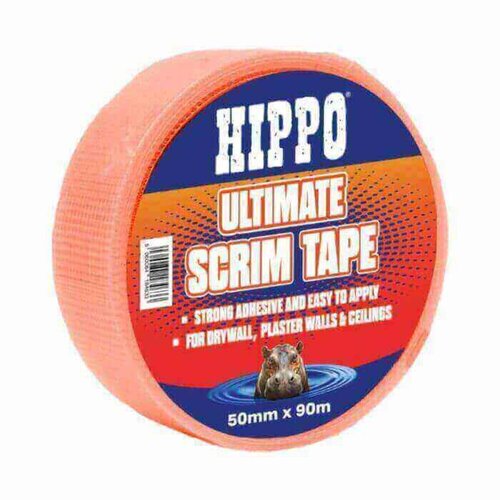
Hippo Ultimate Plaster Scrim Tape - 50mm x 90m Orange
50mm x 90m orange plaster scrim tape with a smooth finish.
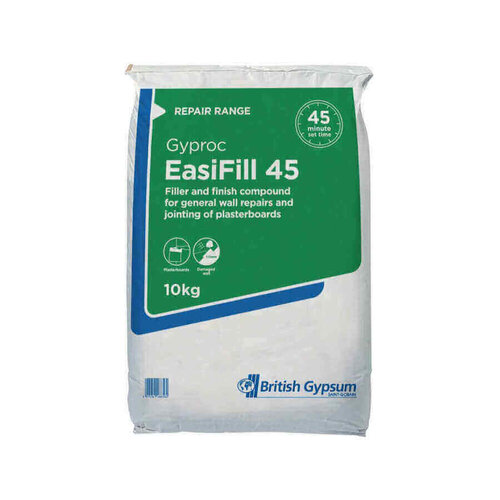
British Gypsum Gyproc Easi-Fill - 10kg 45 min
10kg Gyproc Easi-Fill with 45-minute set time
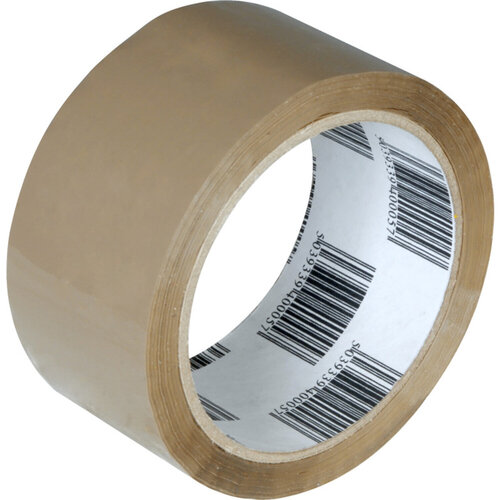
Packing Tape - 48mm x 66m
Brown self-adhesive polypropylene tape, 48mm x 66m, for cardboard packaging.
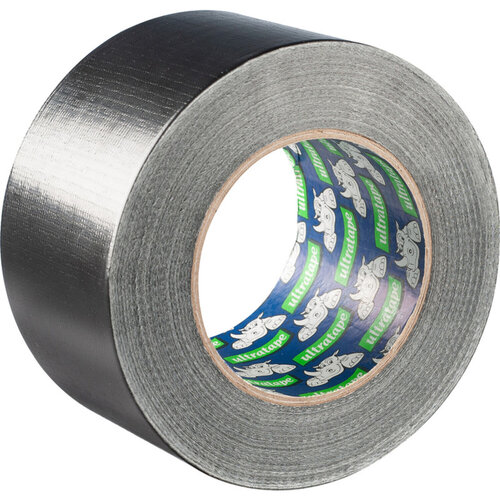
Heavy Duty Cloth Duct Tape - Black 72mm x 50m
Heavy-duty black cloth duct tape, 72mm x 50m, waterproof and multi-purpose.
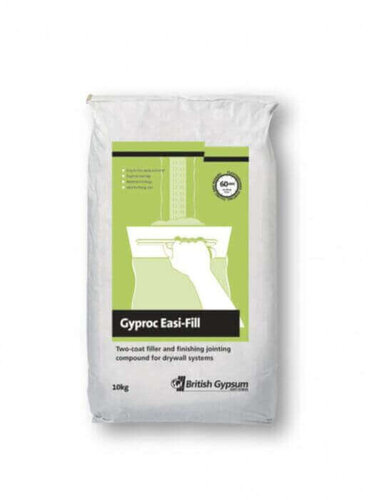
Gyproc Easi-Fill 60 Filler & Finish - 5kg
5kg jointing compound with up to 60 minutes working time
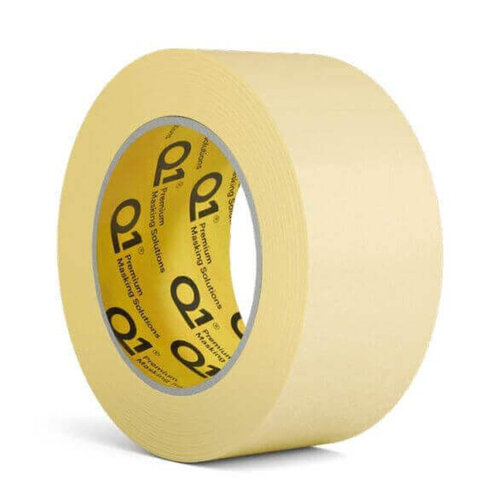
Q1 Contractor Grade Masking Tape - 48mm x 50m
Contractor-grade masking tape, 48mm x 50m, 3-day clean removal
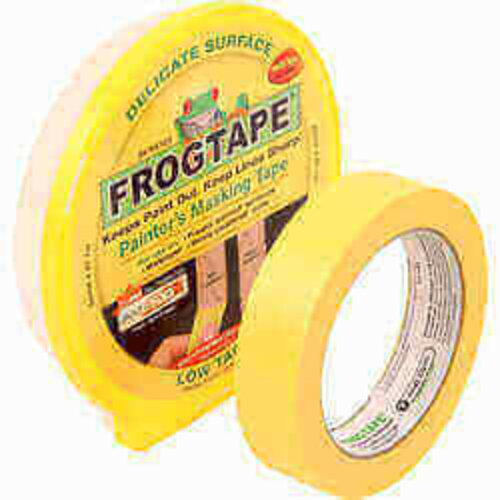
FROGTAPE Masking Tape - Low Tack Yellow - 24mm x 41m
Low tack yellow masking tape, 24mm x 41m, for delicate interior surfaces
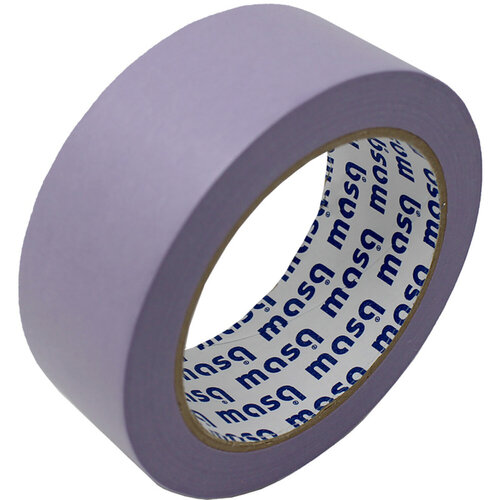
Masq Sensitive Masking Tape - 38mm x 50m
UV-resistant interior masking tape, 38mm x 50m, grey
For the Trade
Start with the space you’ve got and how the tape will be used, because that usually decides the roll before anything else. Tight access, exposed edges, and surfaces that get knocked all push the choice in different directions. That is where a general adhesive tape stops being enough and a more specific option starts to matter. In Sealants & Adhesives, the usual mistake is picking on appearance first and finding the roll does not suit the job. The right trade tape matches access, surface, and how long it needs to hold.
Carpet Tape
For carpet jobs, the first question is whether you need a tape that holds the carpet down cleanly or one that lets you lift it again without a fight. You want enough grab to stop movement at the edges and joins, but not so much that it tears the backing when the job changes.
If the floor is being turned round quickly, that matters more than chasing a heavier grade. Carpet Tape is the narrower buy when you want that specific hold. The other tapes in the range are usually picked for packaging, masking or temporary fixing rather than floor finish work.
Double Sided Tape
Double sided tape is the one you pick when the fixing needs to stay hidden and you do not want wet adhesive in the way. It suits trims, signs, mirrors and temporary positioning where grab matters more than bulk.
The trade-off is simple. You get a clean finish, but you need a decent surface and the right grade for the load. Once it is down, there is not much forgiveness.
If you need a more specific hold for carpet work, Double Sided Tape is the narrower buy in this range.
Duct Tape
Duct Tape is the one you reach for when the job needs a tape that can take a bit of abuse. It suits quick repairs, bundling, temporary protection and rougher surfaces. Neater tapes make more sense when appearance or clean removal matters more.
The better rolls hold up when they’re handled, but they can leave more residue and are not the first pick for a finished face. If you are comparing tapes for that sort of job, Duct Tape is the narrower buy.
Flashing Tape
Flashing tape is the one you pick when the joint needs to stay sealed against weather, not just held in place. The main question is what it’s sticking to and how exposed the detail is. Rough substrates, cold conditions and awkward corners all change the choice.
You want a roll that bites properly and stays put. A weak edge is where the call-back usually starts. Compared with general tapes, this is a more specific buy for external sealing work. A heavier duty tape may suit rougher handling elsewhere.
Foil Insulation Tape
Foil insulation tape is the one you reach for when the job is about keeping a foil-faced system continuous, not just sticking something down. You usually want a cleaner, tighter finish than duct tape, and a better match where the face of the material matters.
Check the backing and adhesive rather than grabbing any adhesive tape off the shelf. A roll that looks similar can behave very differently once it’s pressed onto foil or reflective insulation. If the joint is exposed or likely to get knocked, you may still want a tougher tape elsewhere in the job, but for this detail it’s the right call.
Hook & Loop Tape
Hook & loop tape is the one you reach for when a fixing needs to come apart and go back together without leaving a mess behind. It suits panels that get removed, access points that change, and jobs where you want a firm hold without a permanent bond.
You give up outright bond strength for reuse and speed on repeat work. It is not the answer where the joint has to stay put for good. The usual mistake is asking it to carry a load it was never made for. It is a fastening aid, not a substitute for a proper adhesive or mechanical fixing.
Selection Factors for Tapes
Most jobs come down to three things: how much hold you need, what the surface is like, and whether the tape has to stay put in damp or exposed conditions.
A heavier grade earns its keep where the fixing gets knocked or the substrate is less than perfect. The trade-off is less forgiveness when you need a neat finish.
If the job is more about a clean, hidden fixing than brute strength, a lighter adhesive tape is often the better call. If you need a proper bond rather than a tape solution, move over to Adhesives & Glues.
Finish the Room
Once you’ve picked the tape, the next call is what else goes into the finish around it. If you’re closing up panels, screens or access areas, you’ll usually be looking at the fixing method and the finish at the same time. A neat tape choice can still be let down by the wrong board edge or trim.
Storage and wastes bring the same issue. You want the surrounding parts to sit cleanly, so you’re not fighting gaps or movement later. That’s where the rest of the sealants and adhesives range earns its keep, especially when the job needs a tidy finish rather than just a hold.
Related searches
Local availability for Tapes