Grout
Grout usually comes down to joint width, where the tiles are going, and how much movement or moisture the area will see. For tighter joints and a smoother finish, a finer mix is usually easier to work with. Wider joints and busier floors often need a more robust grout that holds up better. White still gets used where you want a clean match, but grey is often the better call on floors because it hides day-to-day marking better. Ready mixed saves time. Powder gives you more control.
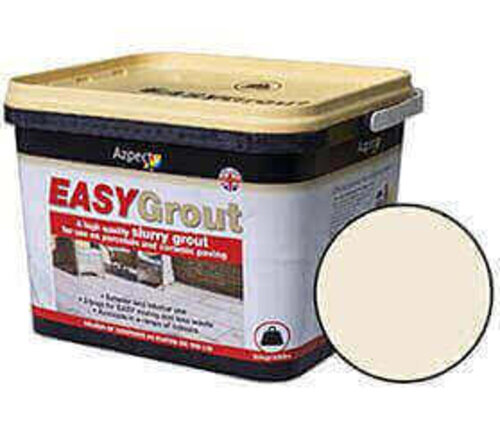
Azpects Easygrout High Quality Slurry Grout - 15kg Crema
15kg Crema slurry grout for porcelain and ceramic floor tiles
PowaTwist Grout - 3L
PowaTwist 3-litre non-shrink cement-based grout for masonry crack repairs
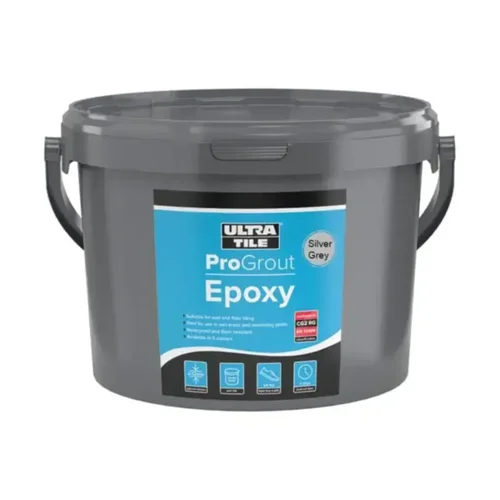
UltraTile ProGrout Water Based Epoxy Resin Grout - 3kg Silver Grey
Water-based epoxy resin grout in silver grey, 3kg
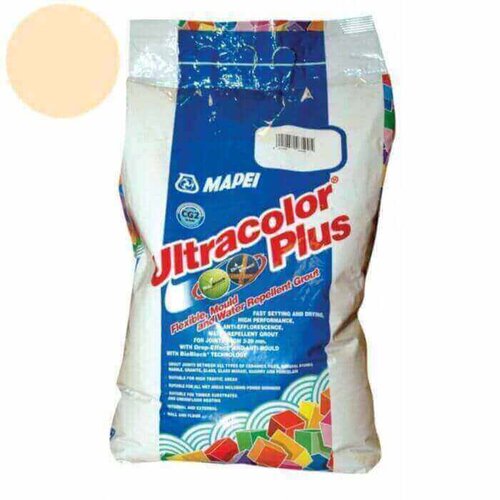
Mapei Ultracolor Plus Grout - 2kg 131 Vanilla
Fast-setting, water-repellent grout in Vanilla, for 2-20mm joints.
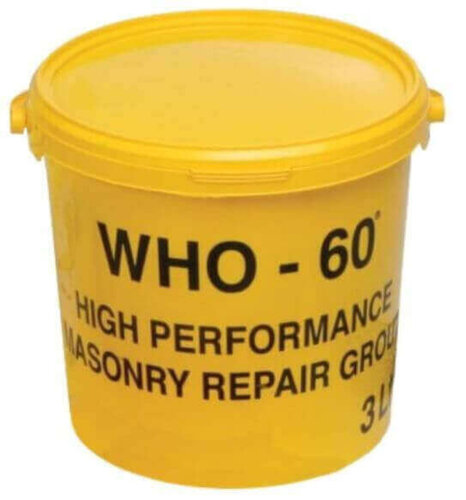
Ancon WH-60 High Performance Masonry Repair Grout - 3L
High performance 3-litre masonry repair grout for crack stitching and brick slip…
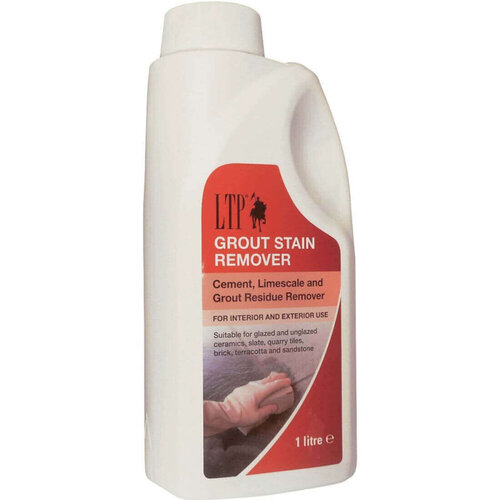
LTP Grout Stain Remover - 1L
Non-acidic grout stain remover for rust stains, 1 litre
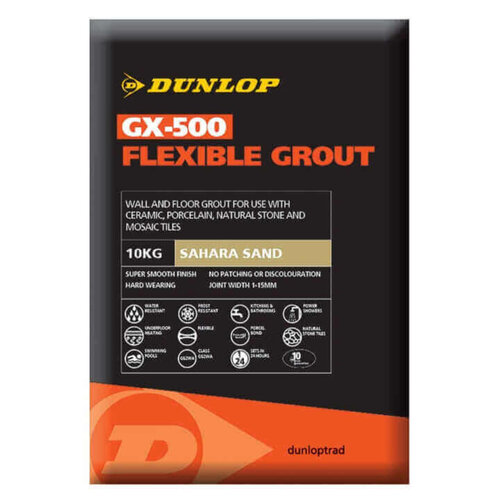
Dunlop GX-500 Flexible Grout - 10kg Sahara Sand
10kg flexible grout in Sahara Sand colour
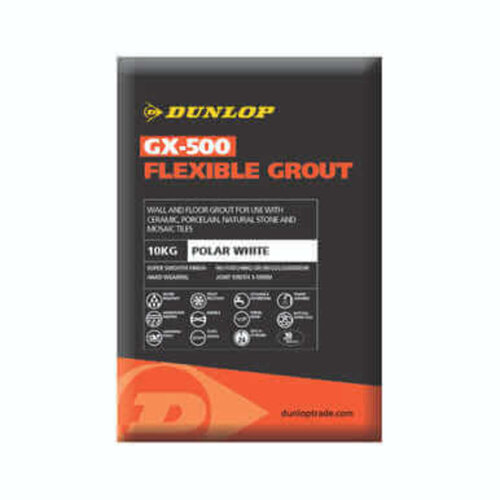
Dunlop GX-500 Flexible Grout - Polar White 10kg
Flexible grout for wall and floor tiles, Polar White 10kg
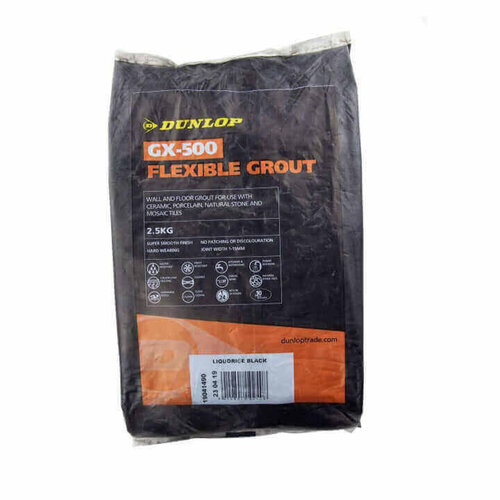
Dunlop GX-500 Flexible Grout - 2.5kg Liquorice Black
Flexible wall and floor grout, liquorice black, 2.5kg, water and frost resistant…
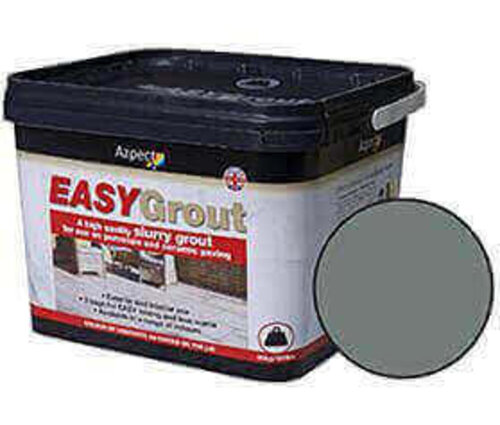
Azpects EasyGrout Slurry Grout - 15kg Grafito
Cement-based slurry grout for porcelain floor tiles, 5-25mm joints, 15kg Grafito
For the Trade
Start with the space you’ve got and how hard the area will be worked. That usually clears the choice fast. Busy floors need grout that can handle movement and regular cleaning. Wall jobs often put more weight on finish and speed. Ready mixed grout can suit smaller or awkward areas where you do not want to stop and mix. Powder gives you more control on bigger runs and usually makes more sense on price. If the joints will see regular moisture or heavier use, the spec changes again. Get that call wrong and it comes back to you.
Grout Types and Layouts
For most jobs, you’re choosing between wall grout, floor grout and flexible grout. The call is usually about movement and wear, not colour.
Wall grout suits standard vertical tiling where you do not need extra performance. It is the lighter option, and that makes it easier to work with on straightforward runs.
Floor grout is the better fit where joints take traffic and regular cleaning. A softer wall mix will mark or wear quicker there.
Flexible grout earns its place where the background moves or the spec needs more give. You trade a bit of ease of finishing, but you get a better match for less forgiving surfaces. If you’re matching the rest of the spec, Tile Adhesive & Grout is the parent range to work back from.
What to Check Before You Buy
Colour is usually the first call, but it’s not the only one. Light grout shows marks more easily, so it needs a cleaner finish. Darker shades are more forgiving on busy floors and around sinks.
Wide joints and textured tile faces usually need a mix that packs out properly. If the grout drags in the joint, you lose time.
In wet areas, check the spec before you buy. If the job also needs Shower Waterproofing Kits, don’t treat the grout as the only line of defence. If you’re still at the fixing stage, make sure the Tile Adhesives suit the tile and substrate. A poor bond is what usually causes trouble later.
Useful Alongside Grout
Once the grout’s chosen, the next call is what finishes the rest of the room. If you’re still building out the wet area, shower waterproofing kits usually come before the last fix, because they set the base the finish sits on.
Where the tile line meets a change of plane or a different finish, you still need the right sealant rather than trying to make one product do everything. That’s the bit that gets missed on site - the joint may be right, but the surrounding finish still decides whether the job holds up cleanly.
Related searches
Local availability for Grout













