Shower Waterproofing Kits
Shower waterproofing kits keep the membrane, tape and primer matched, so you are not piecing the system together yourself. A shower tanking system suits jobs where you want a clear spec and fewer compatibility checks. A shower sealing kit can cover lighter work, but it gives you less coverage and less consistency. For a wet room waterproofing kit, check the format against the area you are covering. That is where people run short on tape or membrane.
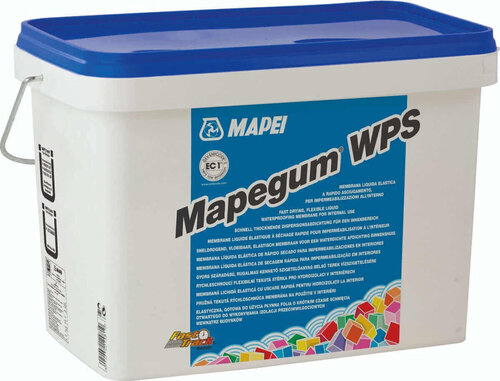
Mapei Mapegum WPS Waterproofing - 20kg
Mapei Mapegum WPS waterproofing, 20kg pack
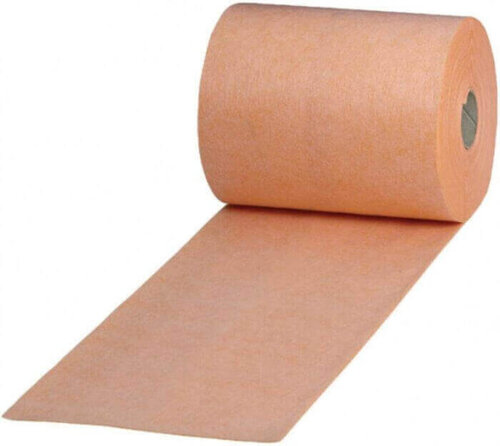
Schluter Systems Kerdi-Band - 12.5cm x 30m
Waterproof band for sealing butt and corner joints of tanking matting, 125mm x 3…
For the Trade
You usually narrow shower waterproofing kits by the job first, not the brand. For a straightforward shower area, a standard shower tanking kit is usually enough. Move into a wet room waterproofing kit, and membrane coverage plus detailing parts need sorting from the start. The usual problem is mixing parts from different systems, then finding the tape or primer does not suit the membrane. If the layout is awkward, or there are more corners and penetrations than usual, pick the kit that keeps the whole shower tanking system consistent rather than the cheapest box on the shelf.
Popular Shower Waterproofing Kit Formats
If the room is tight and you’re combining bathing with showering, a shower tanking kit is usually the cleanest choice. It keeps the system together instead of piecing it together from separate parts. That matters in shower baths, where there isn’t room for a separate enclosure and a standard bath.
A shower sealing kit does the same job when the layout is already fixed. Here, the bath shape and screen detail need to line up. If they don’t, you end up with awkward returns and extra work.
A shower membrane kit suits the same kind of compact install, but it gives you more control over the build-up. That can help when you want to stay close to the rest of the spec from Tile Adhesive & Grout.
Key Differences When Choosing
What usually decides it is the substrate and how much of the area you’re treating.
Shower waterproofing kits with primer, membrane and tape are the usual pick when you want one matched system and fewer compatibility questions. They suit mixed backgrounds, where you need a straightforward setup and less guesswork on site.
A shower tanking system with liquid membrane is quicker around corners and penetrations. The trade-off is build-up and drying time, so you need to keep an eye on both. If you’re only doing the shower zone, that works well. Once the job runs into the rest of the room, you’re into Flooring Sealants & Adhesives and then Grout to finish it properly.
Next Decisions After Choosing
Once the waterproofing is chosen, the next call is what goes over it and what still needs finishing around it. Boards, panels and screens need the rest of the build-up to stay consistent, and that is where the surrounding products matter more than the kit itself.
If the job includes tiled walls, keep the adhesive and grout spec tight rather than pulling in odd bits from elsewhere. For adjacent finishes, the usual follow-on is the flooring sealants and adhesives and grout decisions, because weak edges are what get picked up later.
Related searches
Local availability for Shower Waterproofing Kits









