Tile & Floor Sealer
A tile and floor sealer comes down to what you’re sealing and the finish you need. Porous natural stone and clay tiles usually need a different pick from dense porcelain, and matt is the usual call where you don’t want to change the look. If the surface takes heavy traffic or regular cleaning, choose the type that gives you the stain resistance you need rather than the cheapest tin.
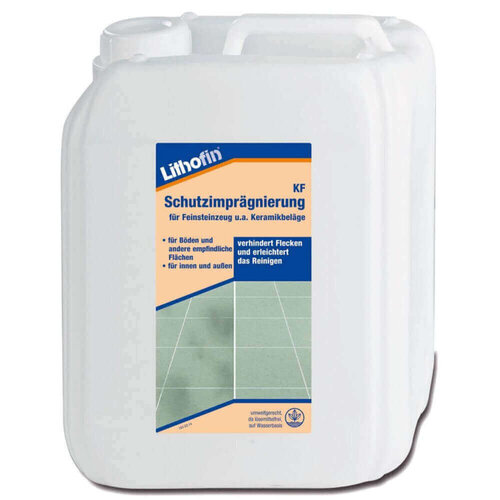
Lithofin KF Protective Impregnator W - 5L
5 litre protective impregnator providing water-repellent properties for tiles an…
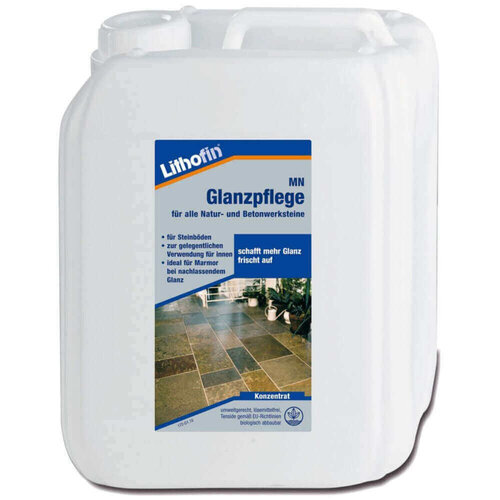
Lithofin MN Care-Sheen - 5L
Lithofin MN Care-Sheen in a 5 litre container.
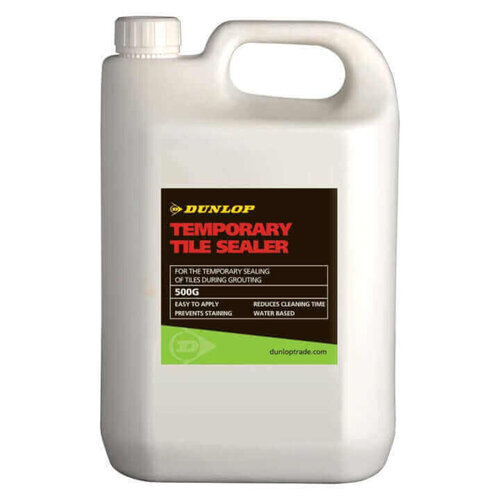
Dunlop Temporary Tile Sealer - 500g
500g temporary tile sealer for installation and grouting protection
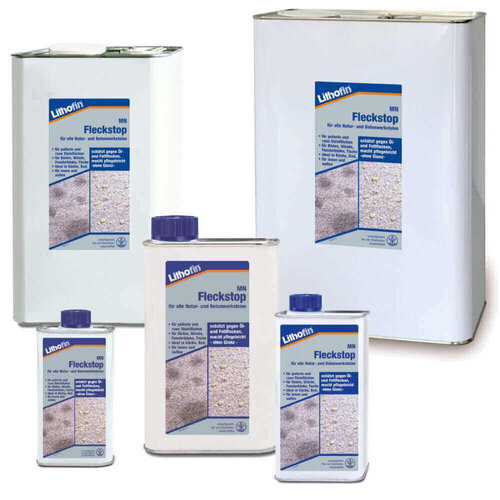
Lithofin MN FleckStop
Protects natural and concrete stone from oil, grease, water and stains
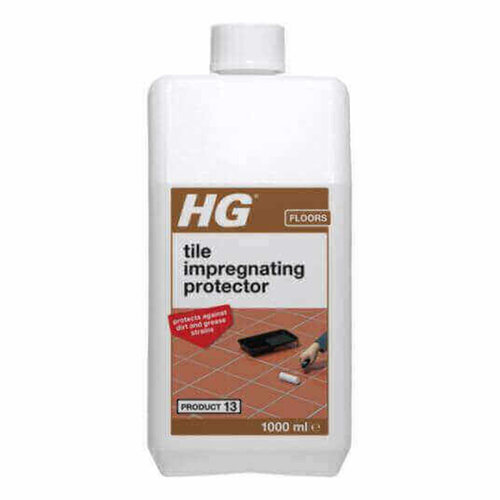
HG Tile Impregnating Protector - 1L
1L HG Tile Impregnating Protector for porous tiles and flagstones
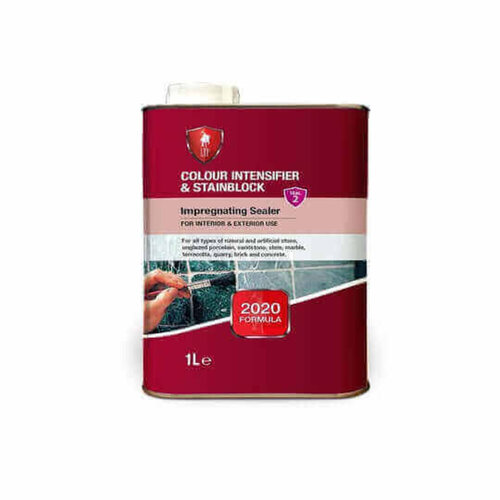
LTP Grout & Tile Protector (Aerosol) - 600ml
600ml aerosol stain remover for tiles and grout, non-acidic.
HG Natural Stone Colour Intensifier 48 for Granite, Blue Stone and Other Natural…
Colour intensifier for granite, blue stone & natural stone; restores shade, prot…
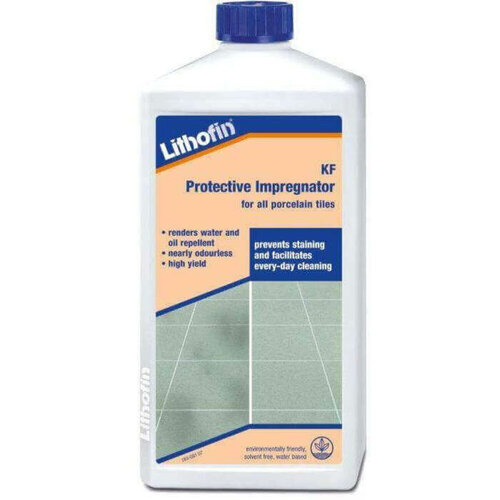
Lithofin KF Protective Impregnator
Solvent-free impregnator for polished floors, up to 50 m² per litre, invisible
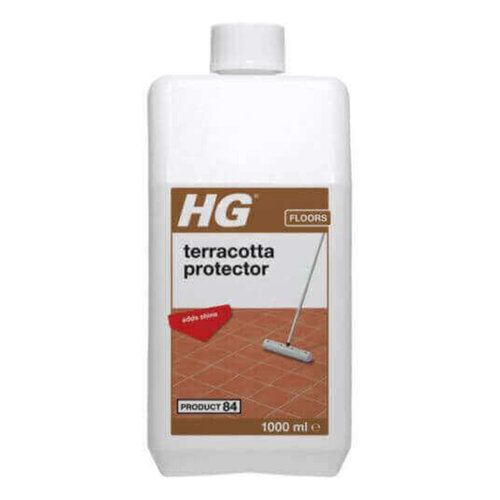
HG Terracotta Protector - 1L
1L terracotta floor protector, covers up to 40m²
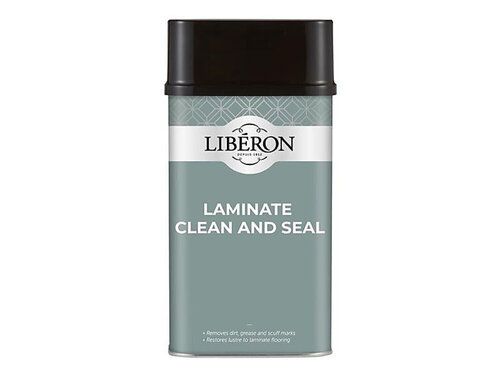
Liberon Laminate Clean & Seal - 1L
Water-based cleaner for laminate, lino and vinyl floors with anti-static agents
For the Trade
You’re really choosing how much protection you need without changing the finish more than the job allows. With tile and floor sealer, the first call is the surface. Porcelain usually needs less than a more open stone or clay tile. A gloss product will show more change than a matt one. If the area gets regular cleaning or spill risk, I’d be looking at the sealer that keeps maintenance simple, not just the strongest label. It usually comes down to stain resistance, appearance, and how much of the original surface you want to keep.
Popular Tile & Floor Sealer Formats
A tile sealer suits smaller tiled areas or jobs where you want to stay close to the surface finish. A floor sealer makes more sense on bigger runs, where quicker coverage matters and you want less time spent around edges and joints. A tile and floor sealer sits between the two. Use that when the same product needs to cover wall and floor work without changing the spec halfway through.
The trade-off is simple. The more general the product, the less tightly it’s matched to one surface. If the job has one clear requirement, go more specific. If you’re already ordering other materials through Tile Adhesive & Grout, keep the sealer choice in step with the rest of the spec rather than mixing formats for the sake of it.
Key Differences When Choosing
Porcelain usually needs a different call from ceramic, so the tile and floor sealer choice narrows quickly.
A porcelain tile sealer is usually picked where the surface is tighter and you want less change in appearance. A ceramic tile sealer is more often used where the body is more open and you need better uptake.
That also changes how it goes on. Porcelain can be less forgiving if you’re chasing an even finish. Ceramic may take more product, but it usually gives you clearer absorption.
If the job is moving into other finishes or substrates, Flooring Sealants & Adhesives is the next counter conversation. If you’re sealing joints rather than faces, you’re into Grout.
Next Decisions After Choosing
Once the tile and floor sealer is chosen, the next call is usually what’s finishing the room around it. In wet areas, sort the surrounding panels and screens before you move on. Missed details there are what bring the comeback.
Storage and wastes matter as well in bathrooms and utility rooms. They affect access and how much cutting you end up doing round the fit-out. Where the spec runs into the rest of the system, check the matching products in Flooring Sealants & Adhesives and Grout so you’re not trying to make the finish work around the wrong base materials.
Related searches
Local availability for Tile & Floor Sealer








