Tile Trims
Tile trims come down to three things: tile thickness, the edge finish, and whether the trim needs to take knocks or just tidy a visible line. Aluminium tile trims are the usual all-rounder because they’re easy to match and handle well. Chrome, brass, black and white finishes work when the edge needs to sit with the rest of the room. Check the profile against the tile and adhesive build-up. A short trim is the one that causes grief when the tile sits proud.
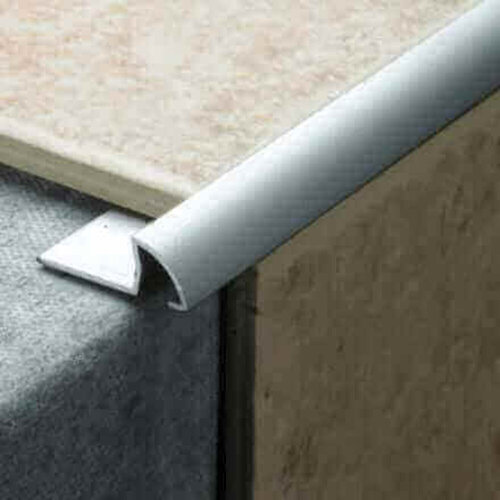
Tile Rite Pro Plus Tile Trim Quadrant Edge - 10mm Matt Silver
10mm aluminium tile trim quadrant edge, matt silver, 2.44m long
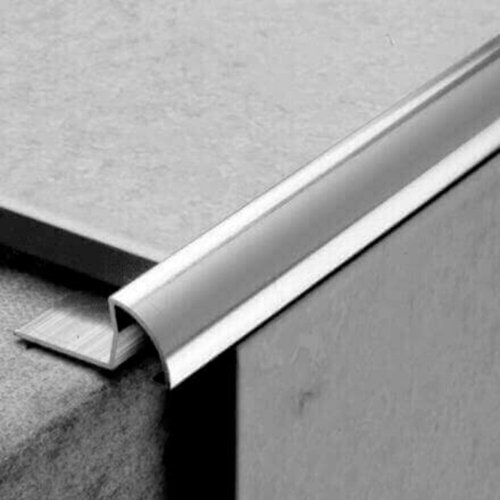
Tile Rite Pro Plus Tile Trim Quadrant Edge - 12mm Gold
12mm gold quadrant tile trim, 2.44m length
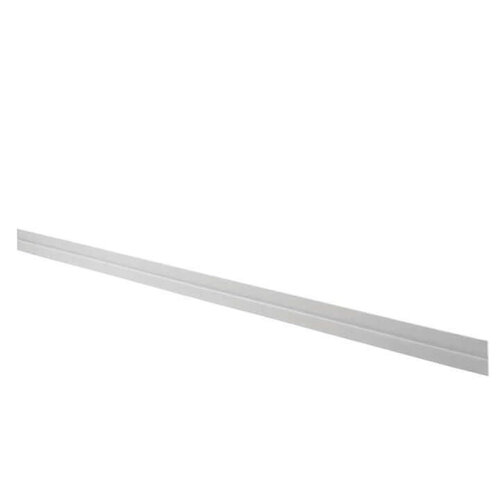
PVCu Flexible Angle Trim - 35mm x 35mm White
Flexible PVCu angle trim, 35mm x 35mm, white.
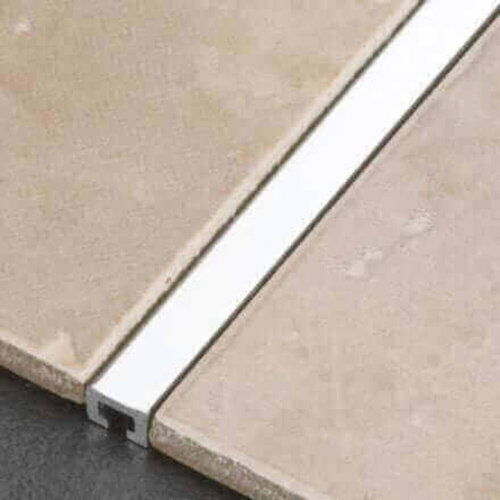
Tile Rite Tile Trim Box Listello - 7mm x 10mm Bright Silver
Aluminium tile trim 7mm x 10mm, bright silver anodised finish, 2.44m length.
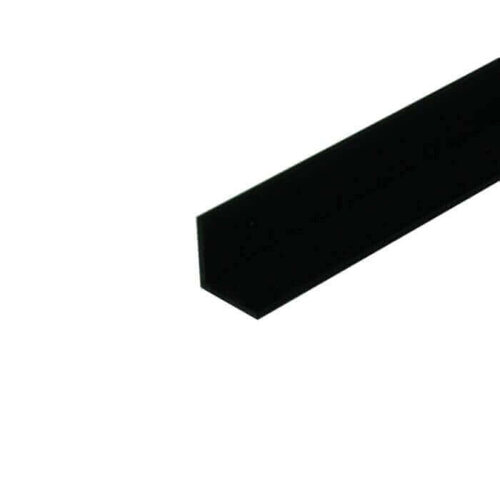
Angle Equal Sided PVC Black - 1.5 x 20 x 20mm x 1mtr
Black PVC equal sided angle trim, 1.5mm thick, 20x20mm, 1m length
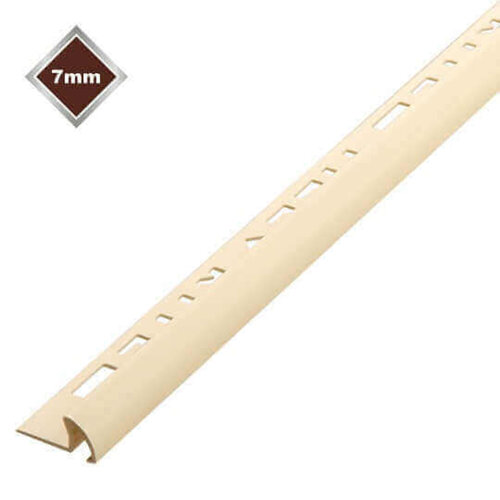
Tile Edging - 7mm Soft Cream
Tile edging trim in soft cream, 7mm size
Rothley Aluminium Edge Protecting Profile - 14mm x 10mm x 1m anodised silver
Anodised aluminium edge protecting profile, 14mm x 10mm x 1m
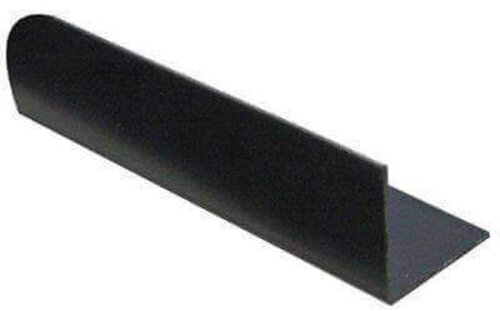
Concept PVC Equal Corner - 10mm Black 1m
Black PVC equal corner trim, 10mm, 1m length
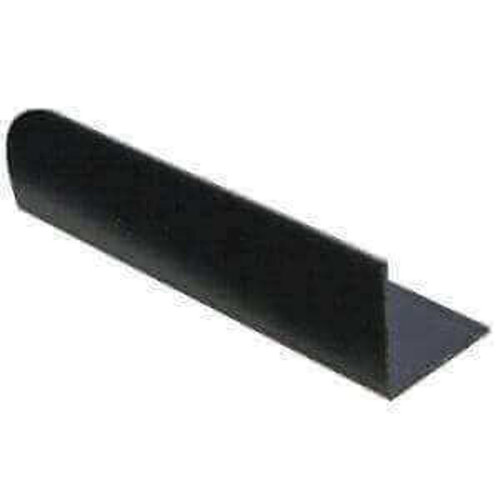
PVC Equal Corner - 15mm x 2m Black
Black PVC equal corner profile, 15mm x 2m
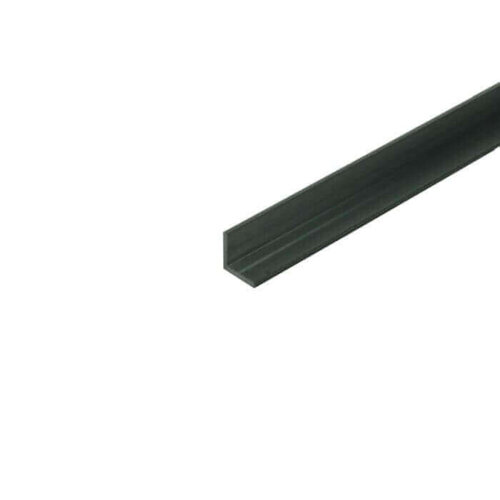
Angle Equal Sided Aluminium - 1.5 x 11.5 x 11.5mm x 1mtr
Aluminium equal angle 11.5mm x 11.5mm x 1.5mm, 1 metre length
For the Trade
What usually decides tile trims is the edge you’re finishing, the tile thickness, and how much abuse that corner will take. On a straight run, you want a profile that sits clean without fighting the tile line. On exposed corners, you need something that will take knocks and still look right after a few weeks. Aluminium tile trims are still the common call for most jobs. Stainless steel makes more sense where the edge is going to get hammered. If the finish matters most, black tile trims, chrome tile trims, brass tile trims or white tile trims are usually picked to suit the tile and the room. The wrong colour stands out fast.
Tile Trim Options Compared
For tile trims, the first split is edge or corner work. Tile edge trims suit exposed ends and terminations. They give you a clean line and a bit of protection.
Tile corner trims make more sense where the layout turns and you need to finish the junction neatly. A straight trim is usually the quicker call. A corner profile earns its keep when the room shape leaves awkward edges to deal with, though it does need a wider corner footprint.
Chrome tile trims, black tile trims and white tile trims are mainly about matching the rest of the scheme. You choose the look after you have settled the profile.
Choosing Materials and Size
Material is usually the first call. It changes how the trim handles on site and how it stands up once it’s in.
Aluminium tile trims are the common pick when you want something light and easy to work with. Stainless steel tile trims suit tougher daily use because they usually give you a firmer face, though you carry more weight.
Brass tile trims are generally chosen where the finish matters and you want a bit more presence, but they are not the cheapest way to do the job. If you are matching other metalwork, check the rest of the spec first. It is easier to keep the scheme consistent than to chase it later.
If the job also needs Flooring Sealants & Adhesives or Grout, sort those alongside the trim so you are not changing finishes halfway through.
Completing the Setup
Once you’ve picked the tile trims, the next call is usually what finishes the rest of the room. If the job runs into a shower or wet area, you’re often into shower waterproofing kits before grout goes down, because that protects the build-up behind the tile.
For floors, flooring sealants and adhesives come in where movement joints or perimeter sealing need sorting. Tile and floor sealer is the follow-on when the finished surface needs protection rather than fixing. Get that sequence wrong and you end up chasing the finish after the tiles are already in.
Related searches
Local availability for Tile Trims










