CO, Heat & Fire Alarms
Start with the risk and the wiring already in place. Mains powered fire alarms suit fixed installs where you want a permanent setup, while wireless fire alarms cut out cable runs and are often the cleaner answer on refurbs. Interlinked fire alarms make sense where one activation needs to carry through the property, but they do need a consistent system. For kitchens and plant areas, heat alarms are often the better call than a straight smoke unit. Carbon monoxide alarms need treating as a separate decision, not an add-on.
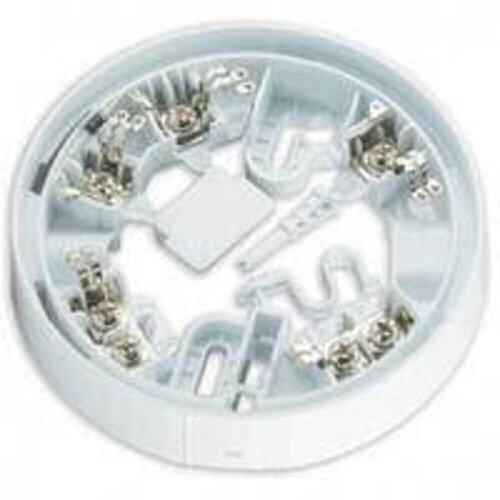
C-TEC Activ Diode Base
C-TEC ActiV fire detector base with EN54 certification and 360° LED viewing angl…
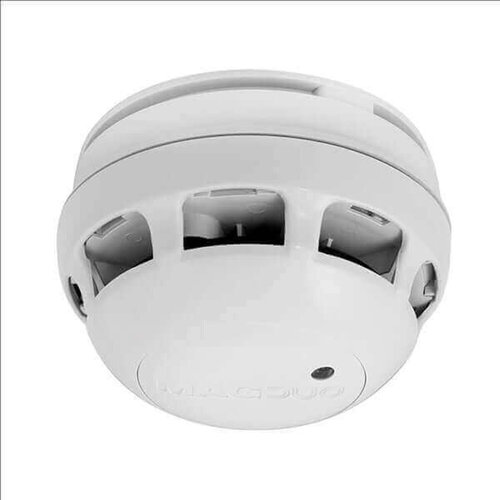
ESP Flexipoint Detector with Sounder for Fire Detection
ESP Flexipoint fire detector with integrated sounder
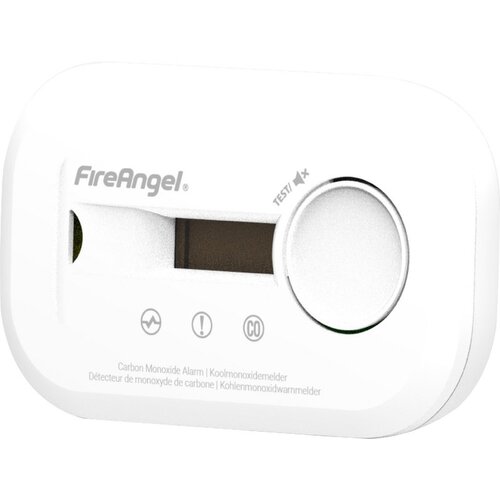
FireAngel 10 Year Digital Carbon Monoxide Alarm - 3 Year Replaceable Battery
FireAngel digital carbon monoxide alarm with 3-year replaceable battery
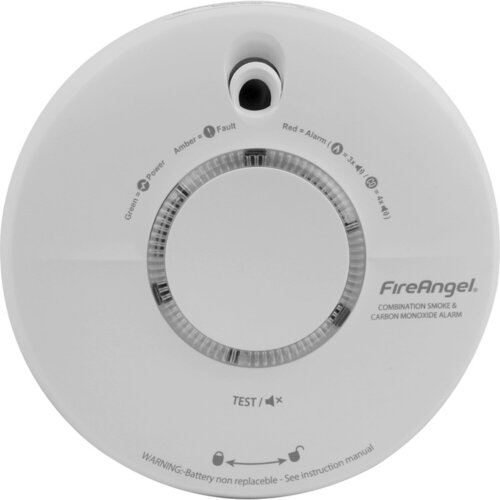
FireAngel Combination Optical Smoke and Carbon Monoxide Alarm - SCB10
Sealed 10-year battery combination smoke and CO alarm with optical sensor
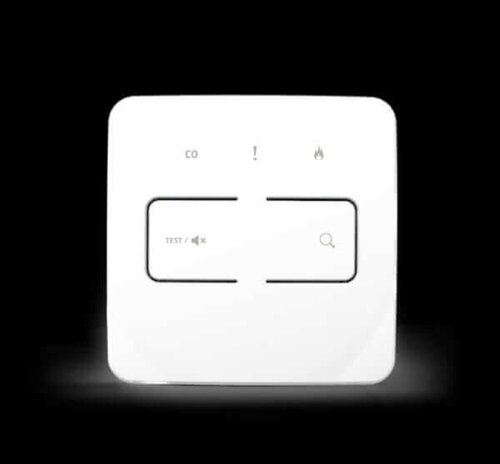
Fireangel Smart Wireless RF Control Unit with Test, Silence & Locate Functions w…
Wireless RF control unit for Smart RF alarms with test, silence & locate and 10-…
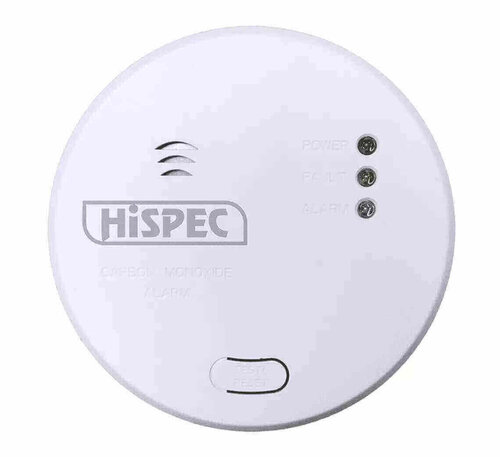
Hispec Mains Round Carbon Alarm - Radiofrequency with 10yr Pro
Mains-powered CO alarm with 10-year rechargeable backup and wireless interconnec…
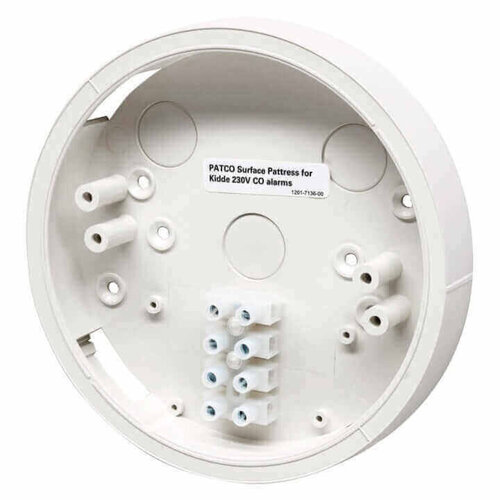
Kidde Pattress for Carbon Monoxide Alarm
Surface pattress for Kidde mains CO alarms
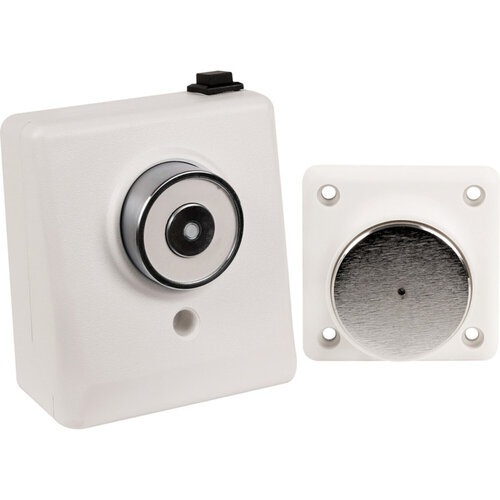
ESP Fire Alarm Door Holder - 24V
24V DC magnetic door holder with surface box and manual release.

Honeywell Home R200C Carbon Monoxide Alarm
Carbon monoxide alarm with 10-year battery and warranty, visual alert
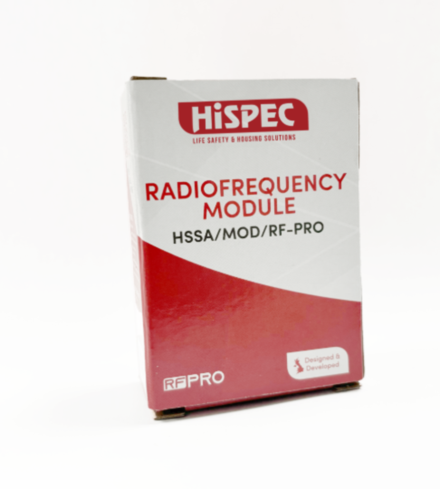
Hispec Pulse RF-PRO Wireless Module
868MHz wireless module with 80m open-area range and 20-unit capacity
For the Trade
Start with the space you’ve got and how the job will be used, then the rest falls into place. On a tight refurb, you’ll usually favour the format that fits the layout without creating extra work. If the wiring is already there on a straight run, mains powered fire alarms are often the cleaner call. In mixed areas, interlinked fire alarms matter more than finish or extras, because call-backs usually come from the one unit that wasn’t tied in properly. Keep carbon monoxide alarms as a separate decision, and only add heat alarms where the room calls for it.
Types of CO, Heat & Fire Alarms
For fire alarms, the first split is power and how much disruption you can take.
Mains powered fire alarms suit permanent work where the wiring is already there, or being renewed. They give you a fixed setup, but they only make sense when you can run the cable without adding extra time.
Battery powered fire alarms are quicker to fit and often the cleaner option on smaller jobs. The trade-off is simple - you take on battery checks and replacement.
Wireless fire alarms save chasing cables on refurbs and awkward layouts. Interlinked fire alarms suit jobs where one unit needs to trigger the rest together. Trade fire alarms usually means job-specific kit with less fuss over the spec.
If you’re working across the rest of the range, Alarms & Sensors keeps the wider choice in one place.
Selection Factors for CO, Heat & Fire Alarms
What usually decides it is the risk in the room and how much of the existing setup you’re keeping. Mains powered fire alarms suit jobs where the wiring is already there and you want a fixed fit. Wireless fire alarms make more sense when you’re avoiding extra chasing or the layout is awkward.
Heat alarms are the better call where nuisance triggering is more likely, but you give up earlier smoke response. Carbon monoxide alarms stay a separate call.
If you’re finishing a wider job, it’s often worth sorting Burglar Alarm Accessories or Burglar Alarms at the same time rather than coming back for the small bits later.
Finish the Room
Once the alarm is fixed, the next call is how much of the room you want to disturb. On a refurb, you’ll often work around what’s already there. On a new build, you’ve got more room to keep the fire side on one scheme.
If the job also needs other security kit, keep it separate. Burglar alarm accessories and burglar alarms are a different buy, and that’s where specs get muddled. For the fire alarms themselves, the check stays the same: existing wiring, access, and how much you want to change before you close up.
Related searches
Local availability for CO, Heat & Fire Alarms
















