Alarms & Sensors
For alarms & sensors, the first question is usually wired or wireless, then whether you need simple movement coverage or a door or window trigger. PIR units are the common pick for general detection because they’re straightforward and usually the least fuss on a standard job. Wireless sensors save cabling, but you need to be happy with batteries and signal range. If the spec is tighter, or you’re matching an existing panel, that usually decides it more than the sensor type itself.
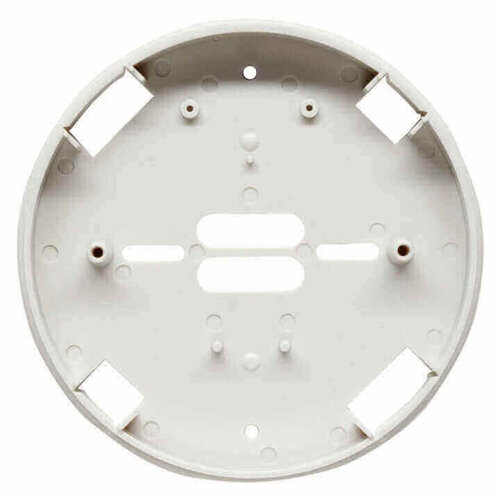
Kidde Firex Pattress for Mains Alarms KF10 KF20 and KF30
Surface pattress for mains-powered Firex alarms, 139 x 139 x 18mm
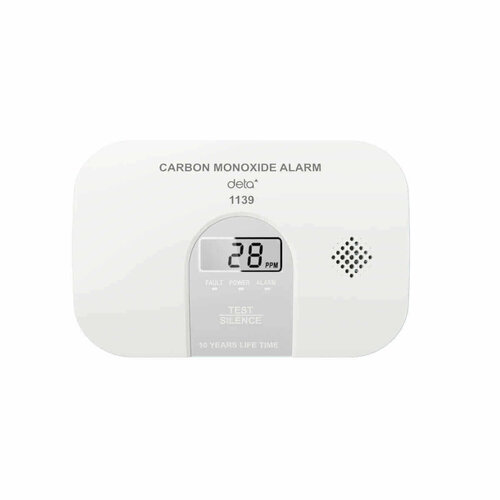
Deta Battery Operated CO Alarm 10 Year
10-year battery-operated CO alarm with digital display and long-life sensor
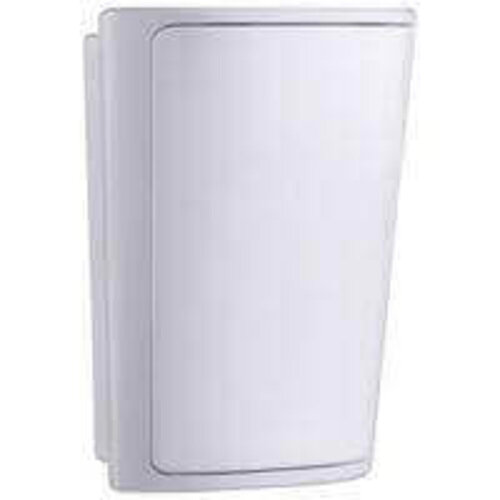
Visonic PowerG Wireless Digital Pet Immune PIR Motion Detector - 12m 38kg White
Wireless PIR motion detector with 12m range and pet immunity up to 38kg
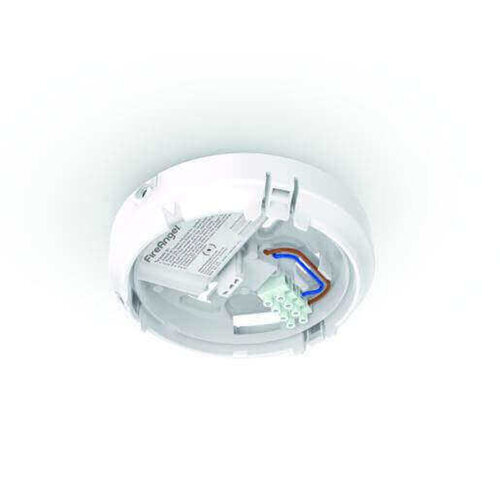
FireAngel Mains Base - RFBW-T
Mains-powered fire alarm base with 10-year backup battery for first-fix installa…
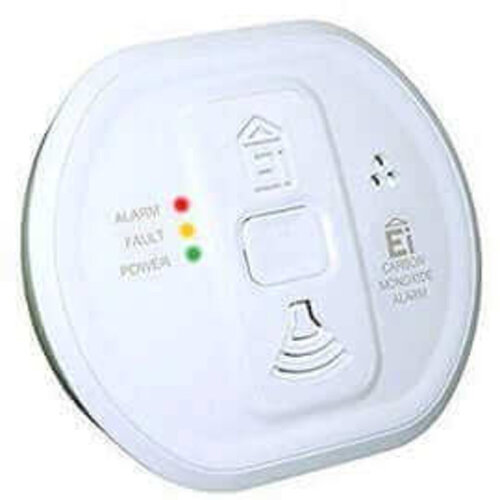
Ei Electronics 208W Portable Carbon Monoxide Detector
Portable carbon monoxide detector with AudioLINK mobile communication.
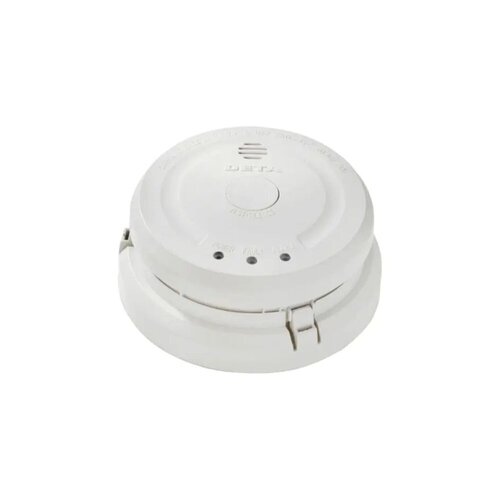
Deta Mains Operated Fixed Carbon Monoxide Alarm
Mains operated fixed carbon monoxide alarm
Status Interlinkable Heat Alarm
Interlinkable heat alarm from Status.
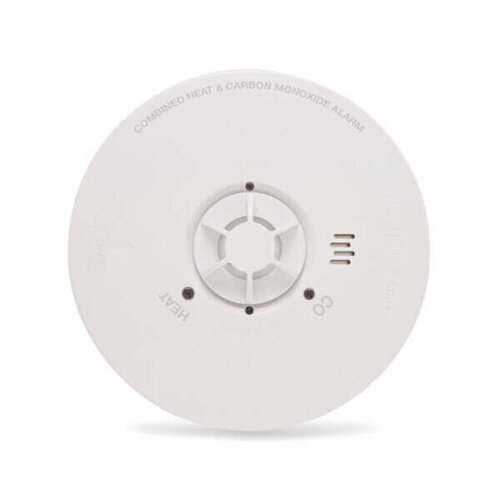
Hispec HSSA/HCO/10 Pulse Mains Heat and Carbon Monoxide Alarm with 10 Year Lithi…
Mains heat & CO alarm with 10-yr lithium backup
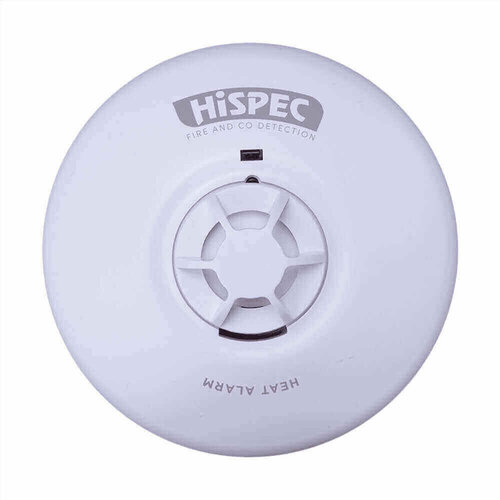
Hispec Interconnectable Heat Alarm - 230V
230V interconnectable heat alarm
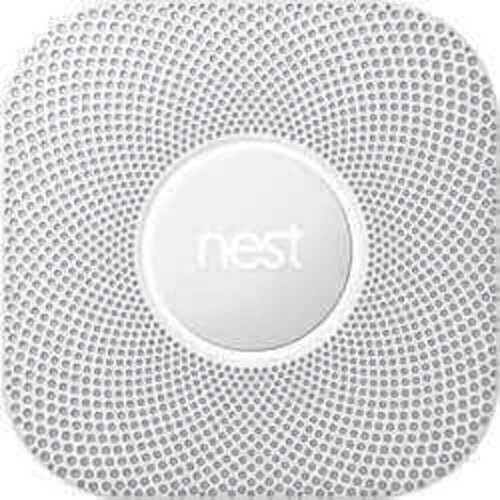
Google Nest Protect Smoke & Carbon Monoxide Alarm - Wired
Wired smoke & carbon monoxide alarm with voice alerts and phone notifications
For the Trade
Start with the space you’ve got and how the kit will be used. That usually rules out half the range straight away. In alarms & sensors, the wrong pick is the one that looks fine on paper but leaves dead areas, awkward corners, or a trigger point in the wrong place. Security & Ironmongery is the parent range if you’re matching it to the wider job. After that, you’re mainly weighing alarm sensors, wireless sensors, and the more specific movement sensors or occupancy sensors. Finish and accessories matter less than coverage and how cleanly it fits the spec.
Burglar Alarm Accessories
If you’re only topping up a system, Burglar Alarm Accessories is the narrower buy. It covers brackets, contacts, sounders and the parts that let the main kit do its job without changing the setup.
Use this route when you’re matching an existing panel or replacing a failed part. The wrong accessory is usually what causes the call-back, not the alarm itself. If you’re building the system from scratch, stay with the main alarms & sensors range instead. Accessories come in once the core spec is already fixed.
Burglar Alarms
For burglar alarms, the first question is how much of the system you’re changing, not what brand you’re staying with. A straight replacement on an existing setup is one job. A fuller upgrade is another. That’s where Burglar Alarms is the narrower buy.
The trade-off is simple. Keep the install straightforward, or build in the coverage you need without overbuying kit. Wireless sensors save time where cabling is awkward. Wired gear still suits jobs where you want a fixed, tidy run and less to go wrong later.
CO, Heat & Fire Alarms
CO, Heat & Fire Alarms is the narrower buy within alarms & sensors when the job calls for smoke, heat or carbon monoxide detection rather than general movement coverage.
The key decision is whether you need a standalone unit or one that sits within a wider alarm setup. That changes what you buy next and what you leave out. The wrong pick is usually the one that looks close enough on the shelf but does not match the risk on site.
Home Alarm Systems
Home Alarm Systems usually come down to how much of the job you’re taking on in one go. If you’re replacing a full setup, you want kit that matches the existing layout and keeps the control side straightforward. If you’re only adding coverage to one property, a smaller alarms & sensors package is often the cleaner buy.
Wireless sensors save time where cabling is awkward. Wired still makes sense where you want a fixed, no-battery routine. The usual mistake is buying around the alarm panel first and the actual coverage second.
Pir Sensors
PIR sensors are the usual call when you want general movement coverage and a clean trigger into the rest of the system. They suit straightforward detection where a pass-by should be picked up without delay.
Occupancy sensors are the better fit when you need a presence-style response rather than a simple movement hit.
Wireless sensors help when cabling would slow the job or make the route messy. Wired kit still has its place where you want a fixed run and fewer batteries to think about.
Most of the work comes down to false triggers or missed coverage. Get the sensor type right and you avoid the hassle later.
Choosing Materials and Size
Start with what the detector has to cover and how cleanly it needs to fit the job. A simple alarm sensor works on a straight run. If you’re dealing with awkward corners or mixed use, be more selective on coverage and false triggers.
Wireless sensors save time where cabling is awkward. The trade-off is battery changes and signal path, rather than fixing and forgetting. If you’re finishing doors at the same time, Door Furniture often gets bought alongside, because the opening hardware and the sensor position need to work together.
Completing the Setup
Once you’ve picked the detector, the next question is what else the job needs around it. On a clean fit, that usually means the panel and any add-ons in burglar alarm accessories. On a fuller job, it’s the main control gear in burglar alarms. Where the spec calls for it, you’ll also need the separate fire side in CO, heat and fire alarms.
That’s where the mistakes usually start. The sensor is right, but the rest of the kit does not match how the system is being built. If you are finishing doors as part of the same job, door furniture is the other buy that tends to get missed until the last minute.
Related searches
Local availability for Alarms & Sensors

















