Cabinet Hardware
Cabinet hardware usually comes down to format first - handles for grip and reach, knobs where you want a smaller fixing, and matching pieces when you need the same finish across the run. After that, you’re choosing by duty and fit. Heavier doors and busy kitchen runs usually need a sturdier fitting, while lighter cupboard fronts are often fine with simpler parts. The usual snag is ordering by style alone, then finding the fixing centres, projection or hand feel don’t suit the cabinet.
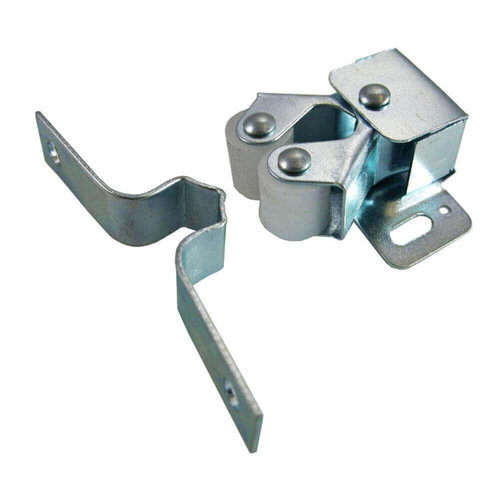
Select Hardware Bonus Bag Sprung Roller Catches
Sprung roller catches for reliable cabinet and door closures.
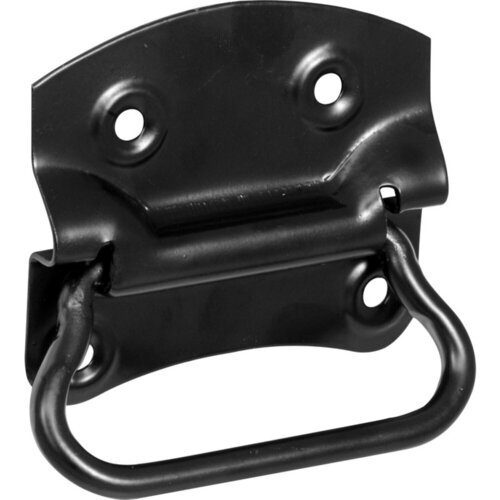
Chest Handle - Black 2 Pack
Matt black 4-inch chest handle, pack of 2, mild steel
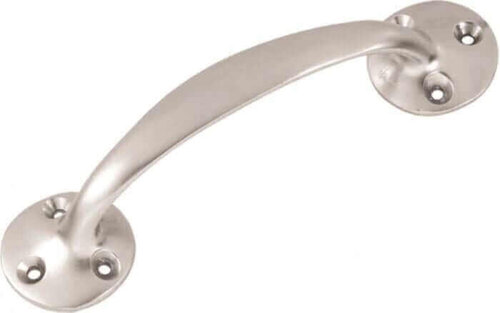
Eclipse Bow Handle - 152mm Polished Chrome Plated
Polished chrome plated bow handle, 152mm, face fixing
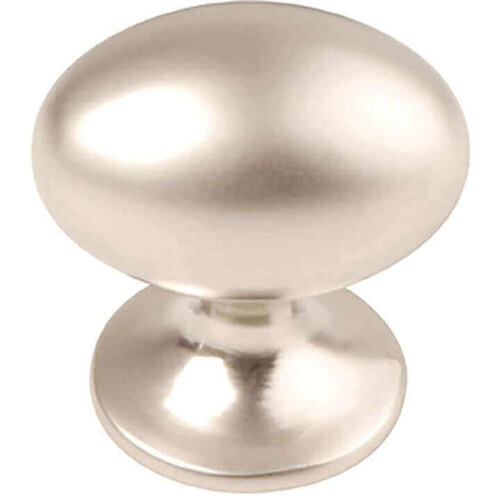
Cupboard Oval Knob - 35mm Brushed nickel
Oval cupboard knob, 35mm, brushed nickel finish
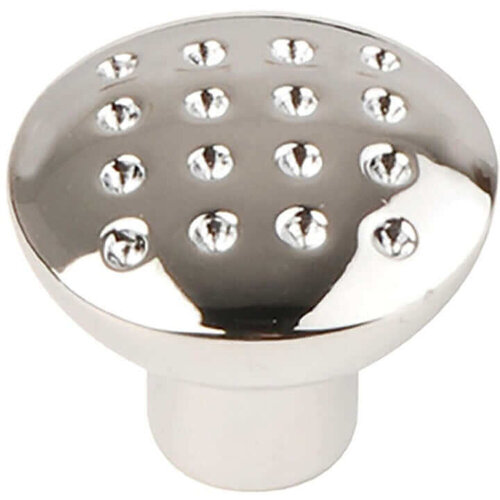
Cupboard Dimple Knob - 33mm Chrome plated
33mm chrome plated dimple knob for cupboards.
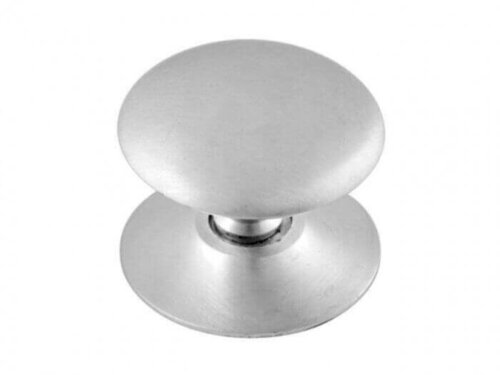
Frisco Eclipse Victorian Cupboard Knob - 38mm Satin Chrome Plated 2 Pack
38mm satin chrome cupboard knob with concealed fixing (2 pack)
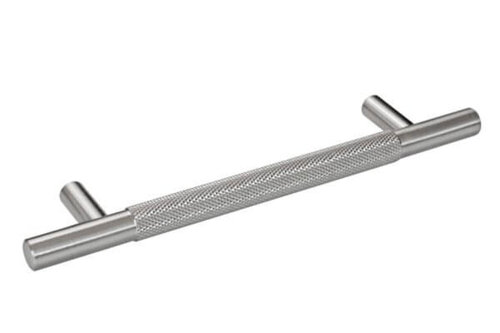
Knurled Cupboard Handle - 128mm Satin Nickel 2 Pack
128mm satin nickel knurled cupboard handle, 2 pack
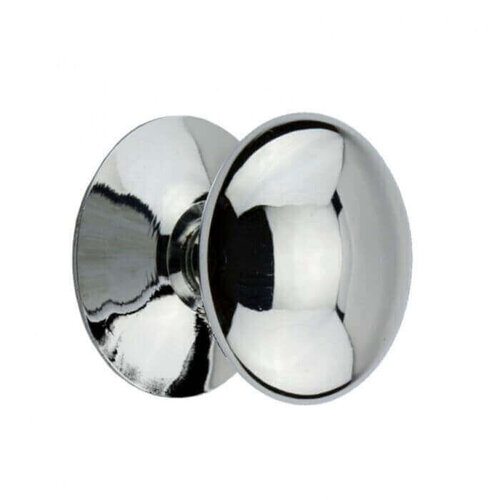
Eclipse Victorian Cupboard Knob - 25mm Chrome Plated 2 Pack
25mm Victorian brass cupboard knob with chrome plated finish, pack of 2
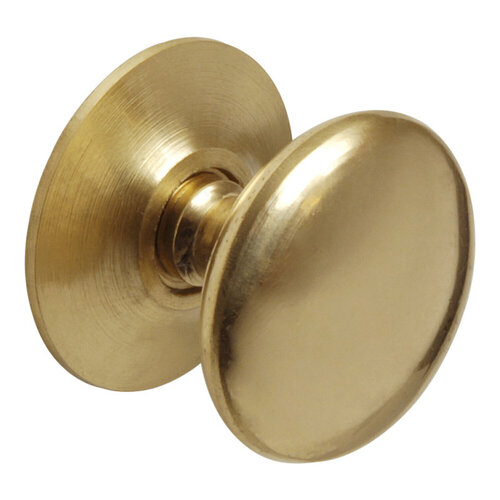
Victorian Brass Knob - 50mm
Polished brass cupboard knob, 50mm diameter
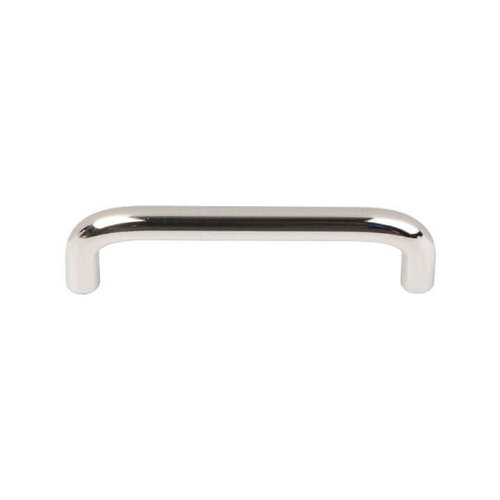
Cupboard D Handle - 96mm Chrome Plated
96mm chrome plated cupboard D handle
For the Trade
Start with the space you’ve got and how the unit will be used. That usually rules out half the options before you look at finish. Tight clearances, awkward corners and frequent use call for different cabinet hardware than a light-duty run of doors that just needs a clean pull. If the job is about speed and a simple look, cupboard handles are usually the easier fit. Smaller fronts or a tighter layout often point to cabinet knobs instead. Finishes and matching cabinet hardware accessories come after that, not before. A neat face on the wrong format still gets changed on site.
Cabinet Hardware Options Compared
Cabinet hardware usually comes down to format first. Cabinet handles give you more purchase, so they’re the usual pick for doors or drawers that get hard use. Cabinet knobs are neater on smaller fronts, or where you want a simpler fixing.
If you’re matching an existing run, Door Furniture is the parent area. The decision here is still about what the unit needs in use.
Cabinet hardware fittings and cabinet hardware accessories come in when you’re replacing like for like or sorting missing parts. The wrong backplate, screw pack or fixing detail is what tends to bring you back.
Cabinet ironmongery is the broader trade term. On the counter, it usually comes back to handle or knob first, then the fixing to suit.
Choosing Materials and Size
Material and fixing matter more than most lads expect.
On painted or wrapped units, a plated or coated finish is usually the safer pick. It stands up to day-to-day wear better than a bright polish.
If the job is going to take more abuse, go for heavier cabinet hardware fittings rather than light decorative parts. The lighter end is usually the first to loosen or mark.
Size matters as well. Keep projection sensible on narrow runs. Long pulls can catch fingers if you over-spec them.
If you’re finishing the job off, Door Accessories is where you pick up the bits that stop the rest of the ironmongery feeling incomplete. Front Door Furniture is the separate call when the spec moves outside.
Completing the Setup
Once you’ve picked the cabinet hardware, the next call is what still needs to sit around it - matching cabinet hardware accessories, any cabinet hardware fittings you still need, and the storage pieces that affect the final layout and clearances.
That’s where jobs go wrong. The handle choice is fine, but the adjacent panel, filler or accessory detail doesn’t line up, and the finish looks patched. With kitchen cabinet hardware, check the full run before you order. A neat set of cabinet handles can still look out of place if the rest of the furniture is being changed later.
Related searches
Local availability for Cabinet Hardware









