Door Accessories
Door accessories usually come down to what the door has to do and how much wear it’ll take. If you need to protect paint, cover a lock cut-out or tidy the finish, the format matters more than the label - door kick plates, door finger plates and door escutcheons each solve a different problem, and the wrong one just gets changed later. On busy internal doors, the plate should take the abuse. On lighter doors, a smaller fitting is often enough.
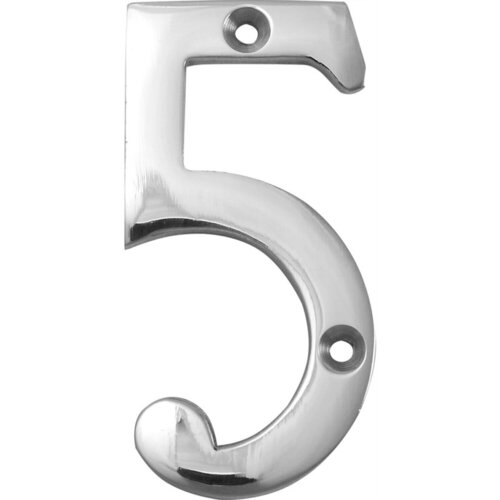
Chrome Numeral 75mm - 5
Polished chrome numeral 5, 75mm high
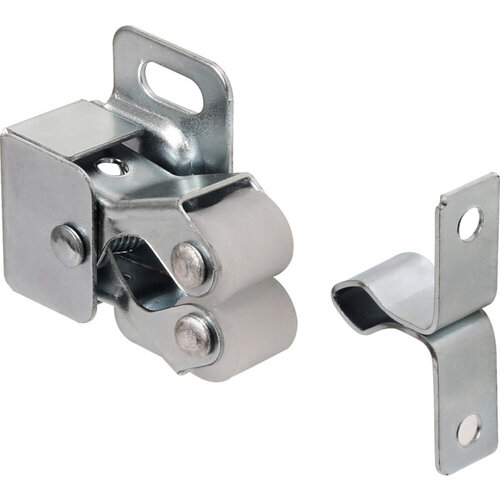
Twin Roller Catch - 27 x 33mm 10 Pack
Zinc-plated roller catch 27mm x 33mm, pack of 10
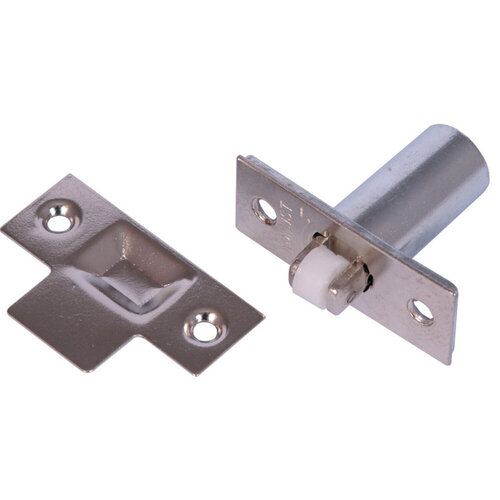
Adjustable Roller Catch - Nickel 5 Pack
Adjustable roller catch, nickel finish, pack of 5, 59x24mm plate
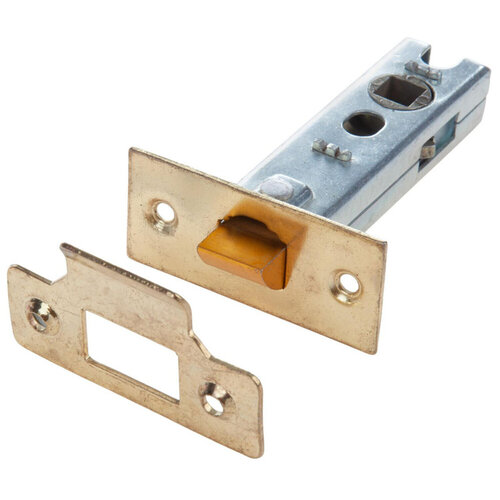
Lockworks Tubular Mortice Latch - Electro Brass 77mm
77mm tubular mortice latch for internal wooden doors, electro brass finish
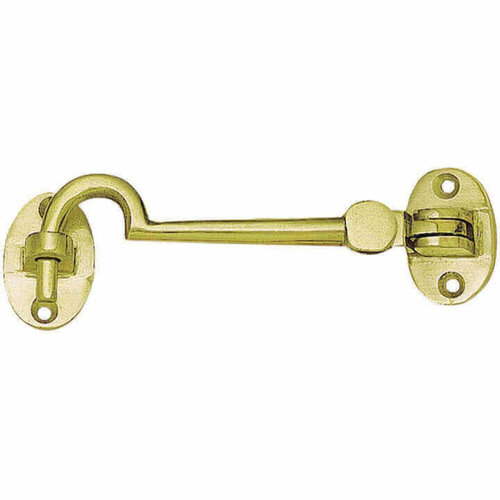
Cabin Hook - 152mm Polished Brass
152mm polished brass cabin hook
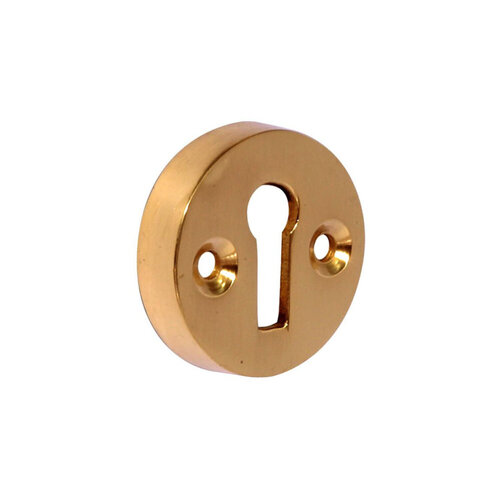
Victorian Open Escutcheon - Brass
Polished gold brass Victorian open escutcheon
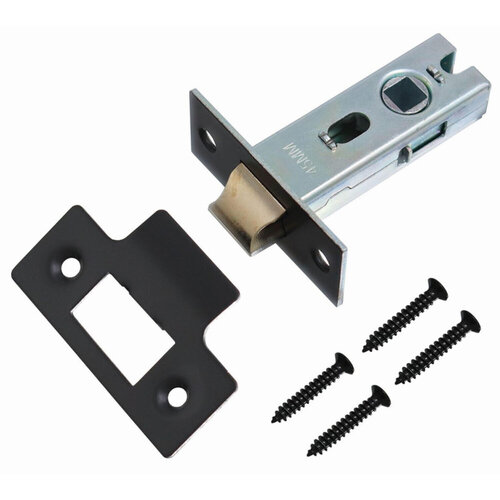
Lockworks Sprung Tubular Mortice Latch - Black 63mm
Lockworks sprung tubular mortice latch 63mm black interior
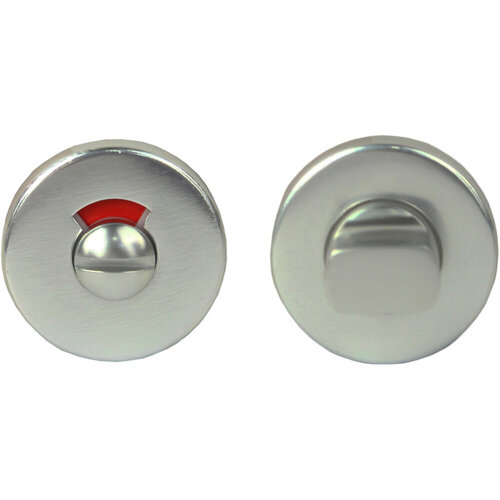
Lockworks Indicator & Turn - Polished Aluminium
Bathroom indicator and turn with polished aluminium finish
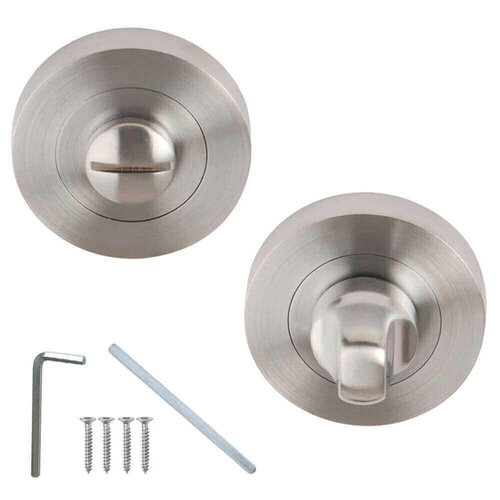
Excel Designer Bathroom Door Thumbturn & Release Set - Satin Chrome
Satin chrome bathroom thumbturn and release set
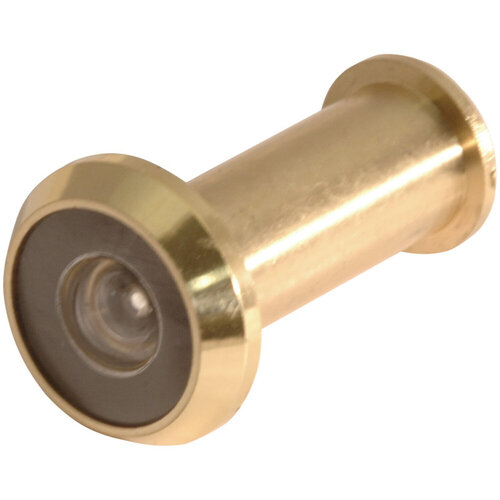
Door Viewer - Brass
Polished brass door viewer, 160° viewing, 35-55mm depth
For the Trade
Start with the space you’ve got and how the door’s being used, because that usually decides the spec before finish does. A tight reveal, a high-wear leaf, or a door that gets slammed all day will push you towards different door accessories than a light-use office door. In practice, you’re choosing between a neat look and how much abuse the face of the door will take. Door finger plates, door kick plates and door escutcheons get picked for different reasons, not as a set. Get the layout right first, then match the finish to the rest of the ironmongery.
Door Accessory Options Compared
For most jobs, you narrow door accessories by where the door sits and how much wear it’ll take. Internal door accessories are the lighter spec when you just need the door protected or finished neatly. External door accessories need to cope with weather and heavier use.
Trade door accessories sit in the middle when you want something hard-wearing without over-specifying the job. Door hardware accessories is the broader label, but it only helps if you already know the fitting type. Door Furniture is the parent range if you’re working back from the wider ironmongery spec.
Choosing Materials and Size
The first check is wear. If the door takes hard use, go for thicker face protection and a finish that won’t show every mark. On a cleaner internal job, lighter door accessories are usually enough, and you’re not paying for more metal than you need.
Size matters too. Match the plate or trim to the door width and the hardware around it, or it looks wrong and gets changed. If you’re matching a front entrance, Front Door Furniture is the next check. If the job is more about small fittings and fixings, Cabinet Hardware is the closer sibling.
Completing the Setup
Once the main ironmongery’s chosen, the next call is what the door has to deal with day to day. A busy corridor or back-of-house door often needs door accessories that protect the face and keep it presentable. A cleaner internal run may only need the lighter bits around the opening.
That’s where the surrounding spec comes in. Use a plate where hands keep hitting. Use an escutcheon where the lock set needs a neat finish. Keep it simple where there’s no real wear. Get that wrong and you end up paying twice, usually on the call-back.
Related searches
Local availability for Door Accessories









