Door Knobs
For most jobs, the first decision is whether you need plain passage sets, privacy sets, or a mortice pattern to suit the latch and spindle you’re working with. Brass door knobs are still the common pick for a traditional finish, while black door knobs or polished chrome door knobs suit a matched ironmongery run. A lighter knob works on ordinary internal doors, but a loose or cheap-feeling one stands out quickly on a busy job.
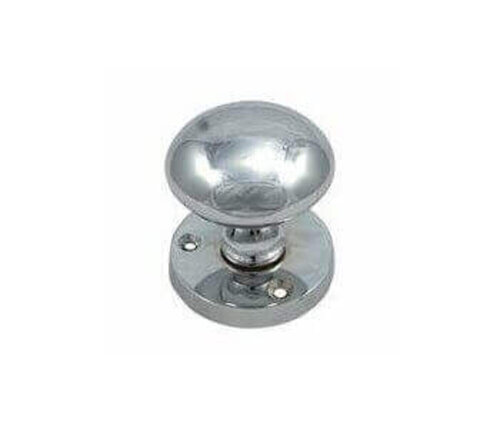
Select Hardware Mortice Door Knobs - Chrome
Chrome-finished mortice door knobs from Select Hardware
Lockworks Victorian Mortice Knob - Polished Chrome Pair
Victorian style mortice door knob pair in polished chrome finish
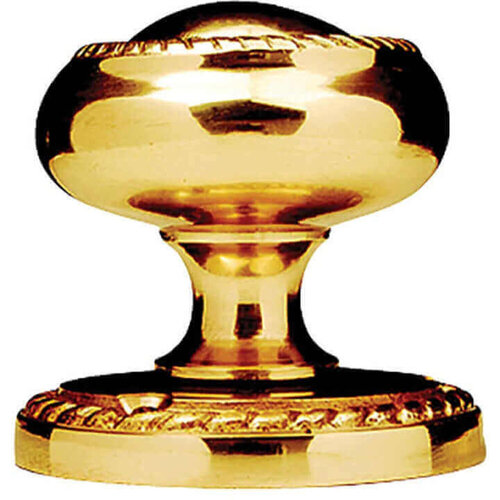
Georgian Mortice Knob Contract - Polished Brass
Georgian style mortice knob, polished brass, contract applications
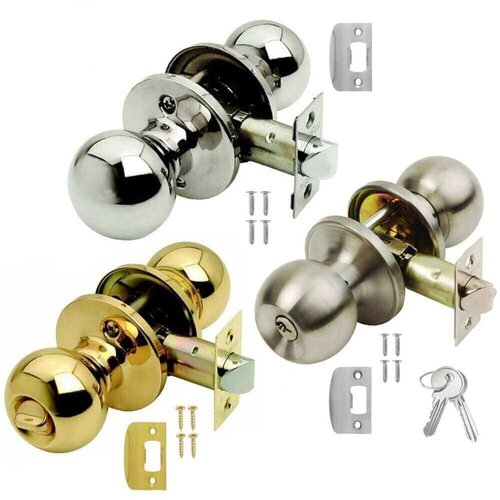
Excel Bala Contemporary Ball Shaped Door Knob Set - Satin stainless entrance
Satin stainless steel ball shaped door knob set for various applications
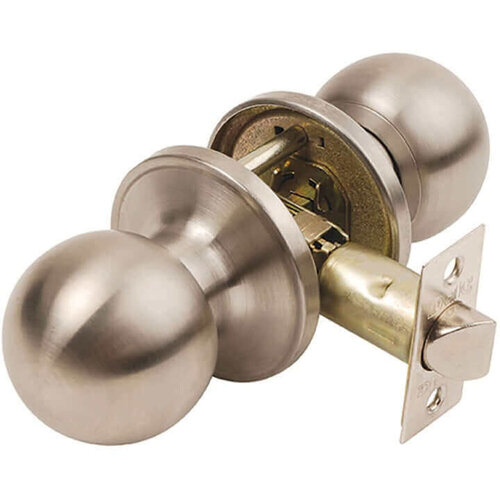
Bala Passage Knobset - Satin Stainless Steel
Satin stainless steel passage knobset
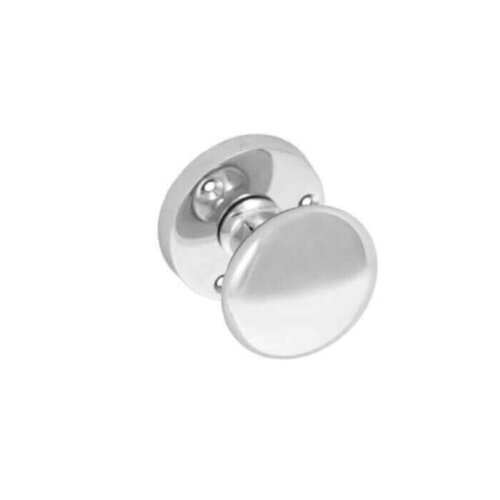
Frisco Eclipse Victorian Mortice Knob - Polished chrome plated
Victorian-style mortice knob in polished chrome for interior domestic doors
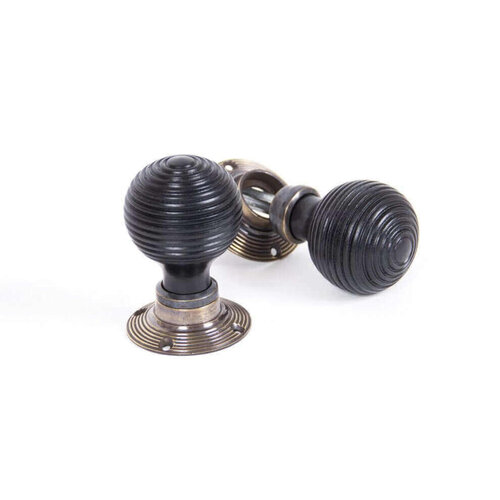
From THE Anvil Beehive Rim/Mortice Knob Set - Ebony
Beehive rim/mortice door knob set in ebony finish
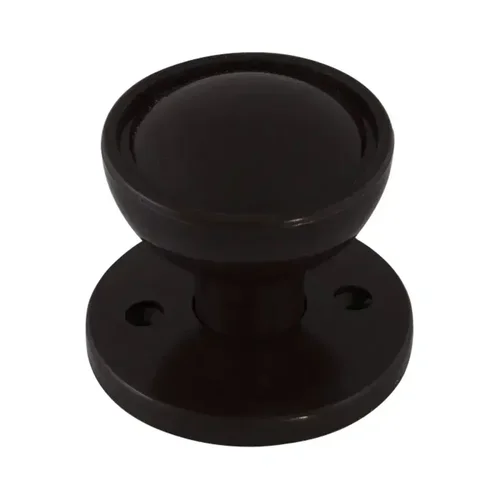
Rim Mortice Knob Set - Black
Black rim mortice knob set for door installation
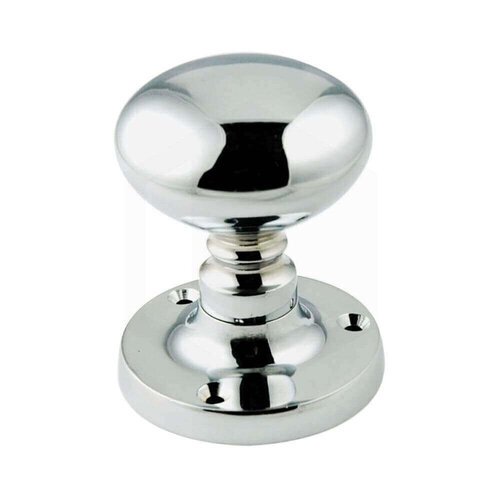
Victorian Mortice Knob Set - Polished Chrome
Victorian mortice knob set in polished chrome.
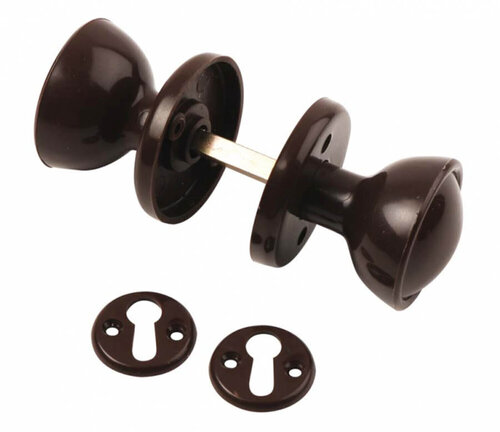
Assa Abloy Rim Lock Furniture - Brown
Traditional brown plastic knob for rim locks on doors and sheds
For the Trade
Start with how the door is being used, then narrow the finish and the feel in the hand. On a busy internal run, you usually want door knobs that suit the latch and the amount of traffic, because the wrong shape or size gets complained about long before the finish does. Round door handle styles are often picked where the look needs to stay simple, while ball door knobs can feel more traditional but are not always the best shout on doors that get used hard. If the spec is about matching other ironmongery, black door knobs, brass door knobs or polished chrome door knobs usually settle that decision quickly.
Door Knob Types and Layouts
Standard internal door knobs suit general circulation doors. You get a simple latch function and a consistent look across the job. Room door knobs work better when you are matching a run of doors and want the same layout throughout.
Trade door knobs are the straightforward spec when you need to keep the job moving. The trade-off is clear. A basic layout gives you less for privacy or specialist use, so bathroom and bedroom doors usually need a different pick. If you are working across a whole scheme, line them up with the rest of the Door Furniture before you order.
What to Check Before You Buy
Material is where you narrow it down quickest. Stainless steel door knobs usually suit heavier daily use because the face feels firmer and the finish tends to hold up better in hand. The trade-off is weight. They are heavier to move than acrylic on many sites.
Brass door knobs work when you want a warmer traditional finish and more visual presence. They will show handling marks sooner if the job gets a lot of traffic. If you are matching the rest of the ironmongery, check Door Accessories at the same time. For external sets, Front Door Furniture is the other one that usually needs lining up before you order.
Useful Alongside Door Knobs
Once the knobs are picked, the next call is the surrounding ironmongery and finish details. If the run includes other rooms, keep the look consistent across the doors rather than mixing styles halfway through. That’s where jobs start looking patched.
On a front door, the spec changes because the rest of the set has to sit with the external furniture and any security hardware. In that case, move over to front door furniture rather than trying to make an internal pattern do the same job. Door accessories and door stops are the usual follow-on buys when you want to finish the set properly and avoid a return visit for the small bits.
Related searches
Local availability for Door Knobs






