Door Stops
Door stops start with where the door needs to be held and what it may hit. A wall mounted door stop keeps the floor clear, while a floor mounted door stop suits jobs where the fixing needs to sit lower down or the wall position is wrong. Rubber styles soften the contact. Magnetic and spring options hold the door back as well. Finish usually comes down to the rest of the ironmongery and how hard the job will be used, with brass, black and stainless steel all common choices.
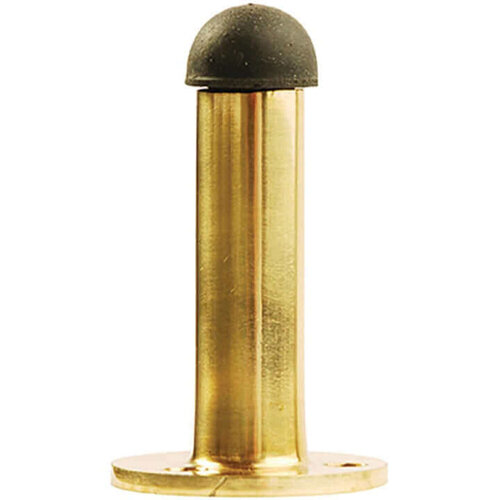
Pedestal Doorstop - 63mm Polished Brass
Pedestal doorstop in polished brass finish, 63mm
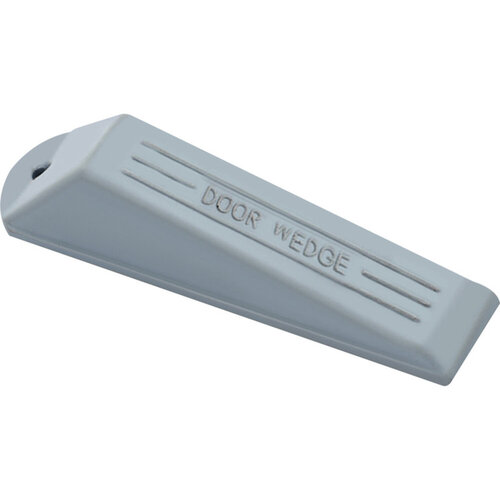
Door Wedge - Grey Rubber 5 Pack
Pack of 5 grey anti-slip rubber door wedges
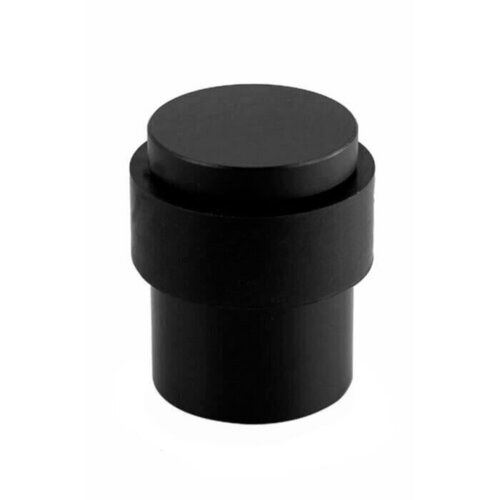
Eclipse Door Stop Floor Mounted Buffer - 30mm Stainless Steel Black
Stainless steel floor-mounted door stop with 30mm concealed rose, matt black fin…
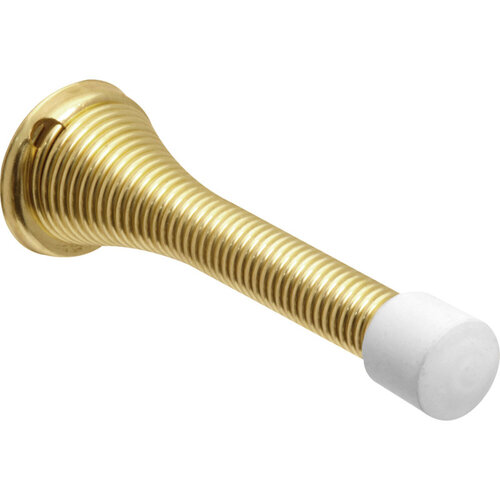
Spring Door Stop - Brass Finish 5 Pack
Polished brass spring door stop, pack of 5
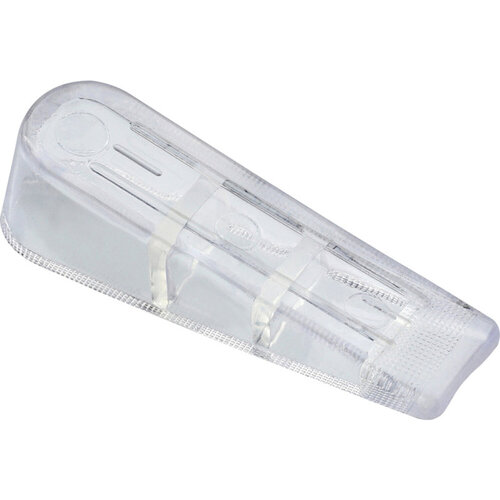
Door Wedge - Clear
Clear anti-slip rubber door wedge with matt finish
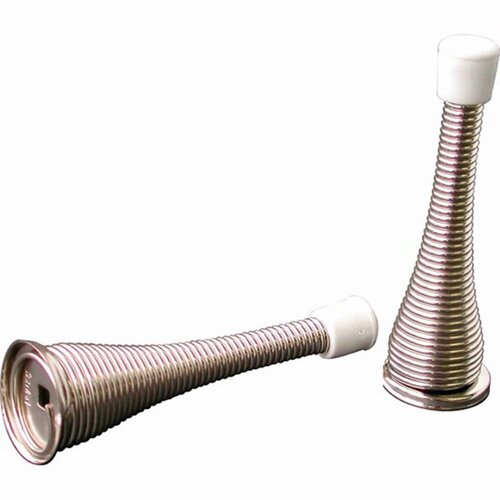
Select Hardware Spring Door Stop - Nickel Plated
Spring door stop with nickel-plated finish for wall or skirting installation
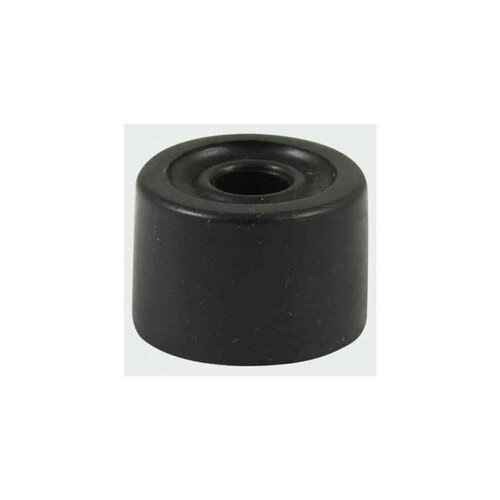
Timco PVC Door Stop - 21mm x 32mm Black 2 Pack
Black PVC floor-mounted door stop, 32mm x 21mm, pack of 2
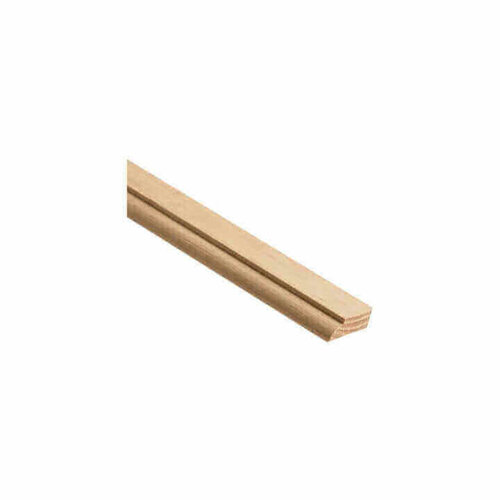
Oak Door Stop FSC - 34mm x 12mm x 2.4m
Oak door stop, FSC certified, 34mm x 12mm x 2.4m
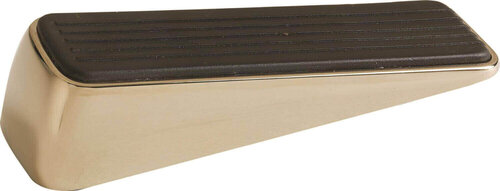
Select Hardware Door Wedge - Large Chrome
Large brass door wedge with chrome finish
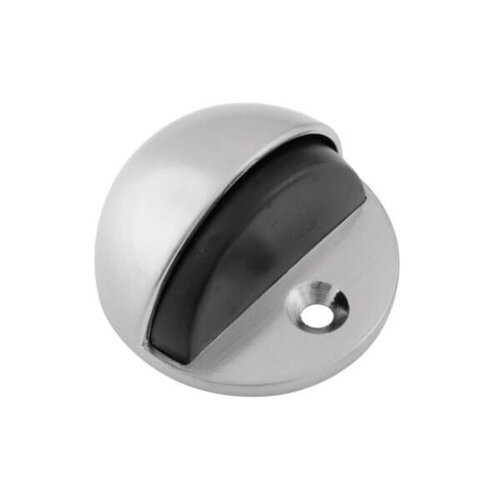
Shielded Oval Door Stop - Satin Nickel
Oval door stop with satin nickel finish
For the Trade
You’re usually choosing door stops on three things: what the door is likely to hit, how much abuse it’ll take, and whether the fixing point is worth using on that job. A light internal door in a tidy finish doesn’t need the same hardware as a busy back-of-house door that gets thrown open all day. If the door is taking repeated knocks, a heavier fixing and a more solid body usually save call-backs. Where the spec is tighter, the finish matters too, because a cheap-looking stop stands out fast once the rest of the ironmongery is in.
Door Stop Types and Layouts
Most door stops come down to two calls. Do you want it out of the way, or do you want it taking the hit where the door lands?
A wall-mounted stop keeps the floor clear and usually suits a cleaner finish. A floor-mounted stop works better when the strike point sits lower, or when the wall behind won’t take the load.
A magnetic door stop or door holder is the pick when you need the leaf held open, not just checked. It does add another moving part, and the door needs to line up properly.
Spring styles give a bit of give, so they suit lighter use. They are not the answer for every heavy door.
If you are matching the rest of the ironmongery, the finish matters too. Black, brass or chrome can be the difference between a tidy fit and a compromise. For the wider Door Furniture range, this is where you narrow the spec before you start matching the rest of the set.
What to Check Before You Buy
Material is usually the first call. Rubber door stops take knocks well and stay straightforward on mixed jobs.
A stainless steel door stop gives a firmer face for harder daily use. It is heavier to handle, so it can be more than you need on lighter doors.
Brass is usually picked when the finish needs to sit with the rest of the ironmongery. It wears differently and needs a bit more care if the door gets a lot of traffic.
If you are finishing alongside Door Accessories or matching Front Door Furniture, the material and colour need to line up with the rest of the set.
Useful Alongside Door Stops
Once the stop is chosen, the next check is what else sits around the door and what finish the rest of the ironmongery needs.
If the opening needs a cleaner edge, door accessories are the usual follow-on. Front door furniture comes in where the set needs to stay consistent outside as well. That keeps the stop right for the hit point without leaving the rest of the door out of step.
Related searches
Local availability for Door Stops








