Door Furniture
Door furniture comes down to the job in front of you: finish, fixing pattern, and whether you need a plain internal set or something with more presence on the door. Lighter fittings suit standard internal work. Heavier sets give a firmer feel and hold up better where the door gets hard use. Get the wrong mix and you end up swapping parts, which is where time goes.
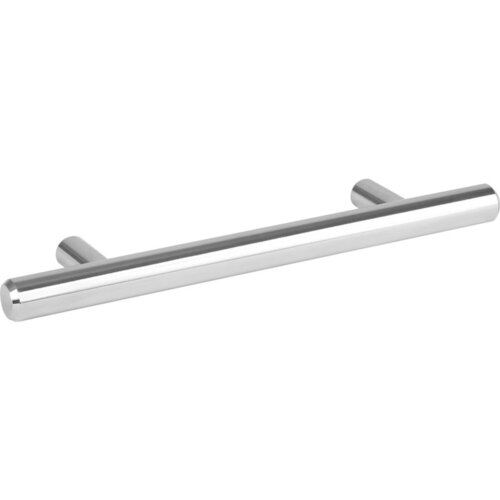
Bar Pull Handle - 96mm Polished Chrome
96mm bar pull handle in polished chrome for cabinet doors and drawers
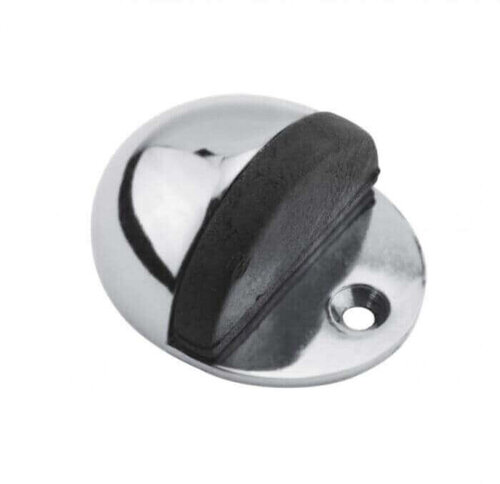
Eclipse Door Stop Floor Mounted Oval Shielded - 51mm Satin Chrome Plated
Oval shielded floor-mounted door stop in satin chrome, 51mm height.
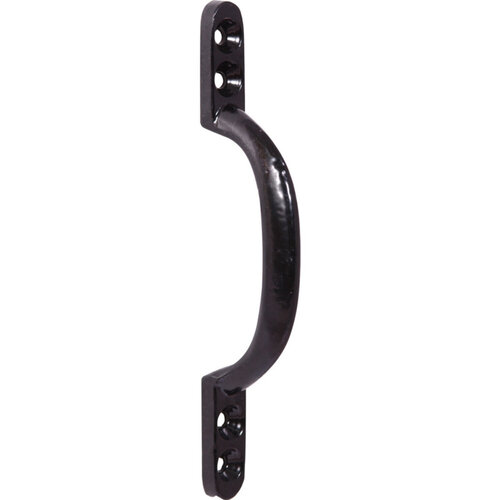
Cast Iron Slim Handle - 152mm
Slim cast iron handle, 152mm, black, overpaintable, for doors and gates
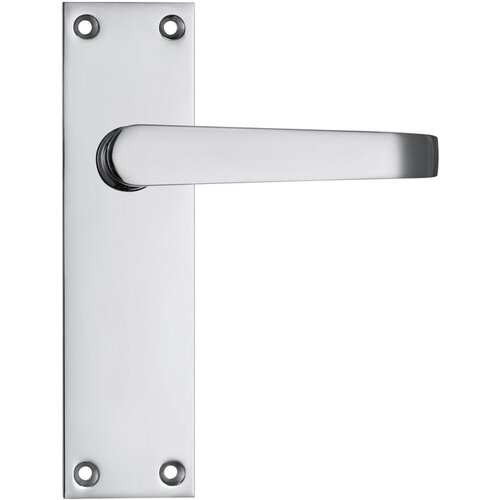
Lockworks Victorian Straight Door Handle - Latch Polished Chrome Pair
Victorian straight latch door handle pair in polished chrome for interior doors
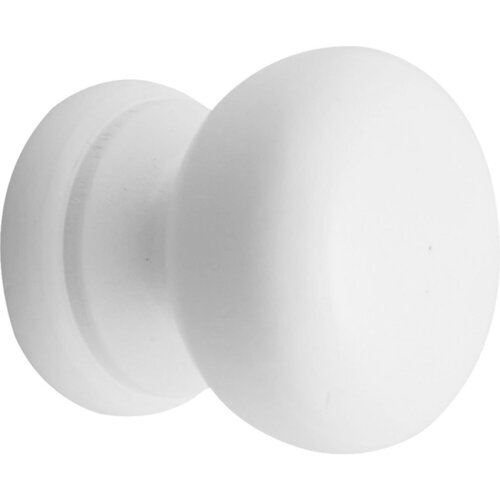
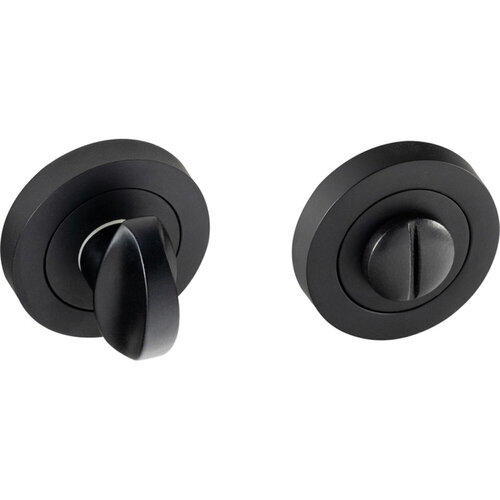
Eclipse Bathroom Thumbturn & Release - Matt Black
Eclipse matt black bathroom thumbturn lock, 52mm, emergency release
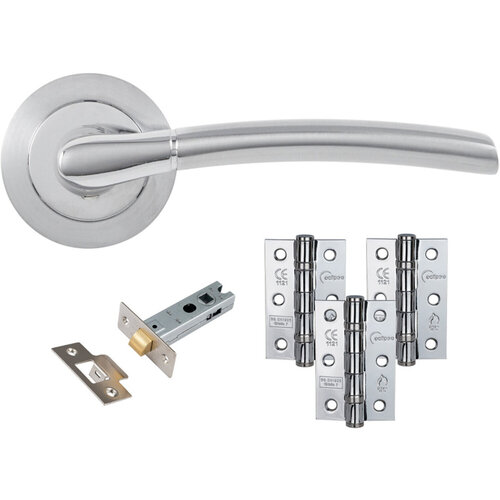
Eclipse Tifosi Door & Latch Pack - Polished / Satin Chrome
Dual tone chrome interior door handle pack with 3 inch tubular latch.
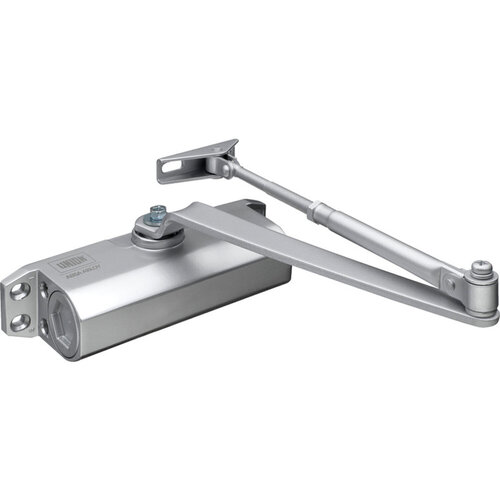
Union J-CE3F-SIL Door Closer - Size 3
Silver door closer for doors up to 950mm wide, adjustable closing speed.
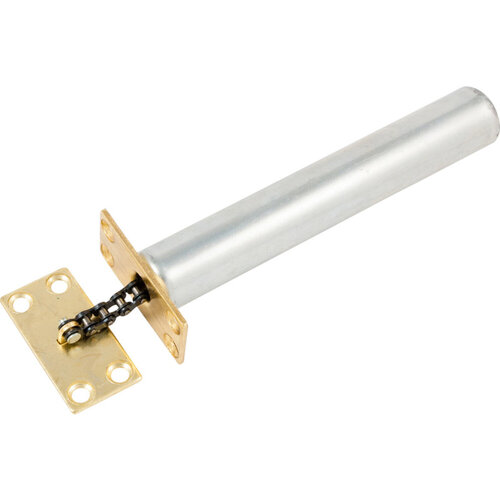
Eclipse Concealed Door Closer - Electrobrassed
Concealable brass door closer for 30-min fire doors, adjustable and reversible
For the Trade
Start with the space you’ve got and how the door will be used. That usually narrows the choice fastest. If the opening is tight or the door gets plenty of traffic, you need door furniture that keeps clearances sensible and won’t clash with adjacent ironmongery. Finish matters, but it is rarely the first call on site. A neat look will not help if the layout is awkward. For mixed jobs, check the door type and fixing pattern first, then move through Security & Ironmongery if you need to keep the set consistent across the job.
Cabinet Hardware
Cabinet hardware is the bit you pick when the job is about cupboards, drawers and fitted units rather than the door itself. You usually check fixing pattern, projection and finish first. A handle that looks right on paper can still foul a run of doors or catch on a tight reveal.
If you want a cleaner, more discreet look, keep it simple. If the units are getting hard use, go for something with more substance in the hand. Cabinet Hardware sits alongside the rest of your door furniture, but it is the narrower buy when the hardware needs to suit joinery rather than general door ironmongery.
Door Accessories
For this part of the job, you’re usually sorting the bits that finish the door, not the door itself. Check the fixing pattern, how much use it’ll see, and whether the rest of the ironmongery is already set.
Door Accessories is the narrower buy when you need the smaller add-ons that complete the set. The main door furniture range is where you go for the primary fittings. Keep the finish and fixing style consistent from the start, or parts that look close enough can still sit wrong together.
Door Closers
Door closers are the bit you specify when the door needs to shut itself, not just hang there and look right. You usually decide on control first. A light internal door can take a simpler closer. A busy access door needs something that keeps the leaf under control without slamming.
The trade-off stays the same. More control and durability usually means more bulk and a bit more adjustment on site. If the job is just standard door furniture, you leave closers out. If the door has to return every time, Door Closers is the narrower buy.
Door Handles
When you’re picking door handles, start with the door itself and how much use it’ll see. A plain internal set works when you just need a clean, reliable pull. Heavier lever furniture makes more sense on doors that get constant traffic or where the latch needs a firmer action.
Finish matters too, but only after you’ve matched the fixing style and backplate or rose to the door and the rest of the job. Get that wrong and the handle looks right but sits awkwardly. Keep the rest of the door furniture consistent if you need the smaller add-ons as well, so the same run stays matched.
Door Knobs
Door knobs usually come down to how the door gets used and how much grip you want from the fitting. On a narrow run of doors, or where a lever would catch on clothing, a knob keeps things neater and avoids snagging.
Passage sets are the usual pick when you just need a simple turn. Locking versions make more sense where privacy matters. Knobs are tidier and often simpler, but they are less forgiving than a lever on a door that gets hard use. Match the finish to the rest of the door furniture and you will not end up with the odd one out.
Door Stops
Door stops are the bit you pick when the door itself is fine but the wall, skirting or nearby furniture needs protecting. The choice usually comes down to where you can fix it and how much punishment it’ll take.
A floor stop suits a solid base and a clear swing. A wall or skirting stop is cleaner where you don’t want anything underfoot.
Magnetic versions are worth a look if you need the leaf held back, but they add another fixing point and can be overkill for a light internal job. The wrong stop is the one that gets knocked loose and called back.
Selection Factors for Door Furniture
Finish and fixing pattern usually decide it first. If you need the same look across a run of doors, keep to one family and finish. For hard-use doors, go for the heavier set rather than chasing the cheapest option.
On internal door furniture, the trade-off is usually appearance against wear. Slimmer pieces look cleaner. More substantial fittings tend to hold up better when the door gets used all day. If the job also needs control or access hardware, bring in Alarms & Sensors at the same time so you’re not matching parts after the fact.
Finish the Room
Once the main set is chosen, the next call is what still needs finishing around the door - matching plates, escutcheons, stops and any adjacent trim so you are not left with one odd finish in the run. That is when door furniture stops being a single fitting and becomes part of the whole scheme.
If the job includes glazed or feature doors, the surrounding panels or screens may need sorting at the same time. Fixing centres and finish need to line up before the last doors go in. On tighter programmes, it is usually the small accessories that get missed, and that is what brings the comeback.
Related searches
Local availability for Door Furniture