Cabinet Hinges
Cabinet hinges come down to three things: the door position, the opening action you need, and how much adjustment you want after fitting. Concealed cabinet hinges are often the first pick for modern furniture because they keep the hardware out of sight and give you more control over alignment. Overlay and inset formats decide how the door sits on the carcass. Soft close versions help where slamming is a problem, but they add another moving part, so a plain cabinet hinge can still be the cleaner choice on busy jobs.
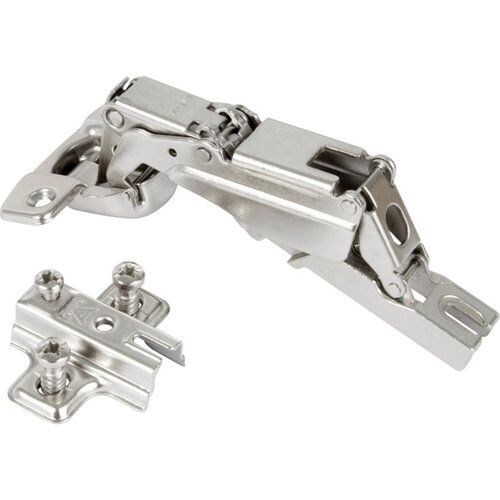
Hafele Concealed Cabinet Hinge - 155° 35mm 2 Pack
Concealed 155° sprung hinge with screw-on backplate, 35mm, 2 pack
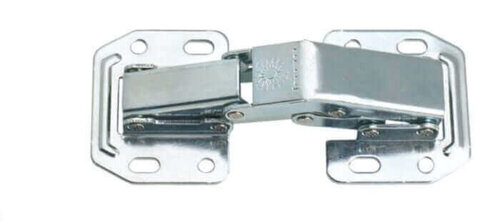
Eclipse Cabinet Hinge Easy On 90° - Nickel Plated 2 Pack
Surface-mounted cabinet hinge, 105°, nickel plated, 2 pack
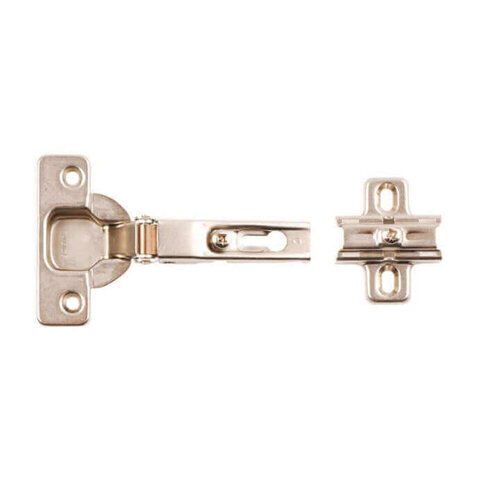
Sprung Kitchen Hinges 90° - 35mm 12 Pack
12 pack of 35mm sprung kitchen cabinet hinges with 90° opening
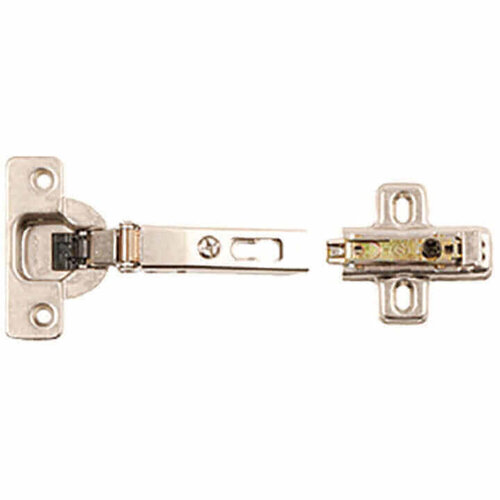
Soft Close Kitchen Hinges Sprung 90° - 35mm 2 Pack Silver
Silver soft close kitchen hinge, 35mm, 90°, pack of 2
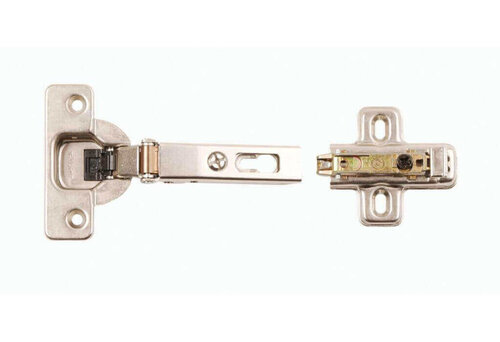
Kitchen Sprung Hinge - 35mm 2 Pack
Pack of two 35mm sprung kitchen cabinet hinges
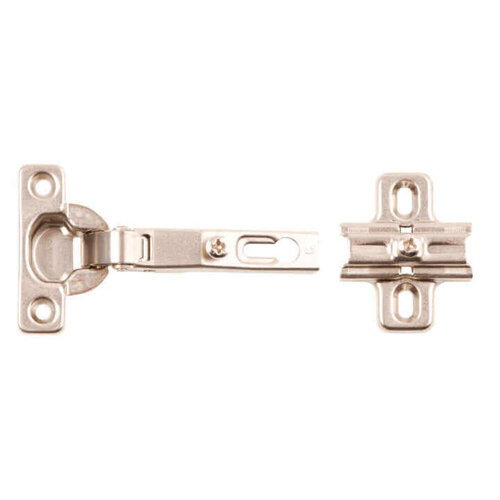
170° Sprung Hinges - 35mm 2 Pack
2-pack of 35mm sprung cabinet hinges with 170° opening angle
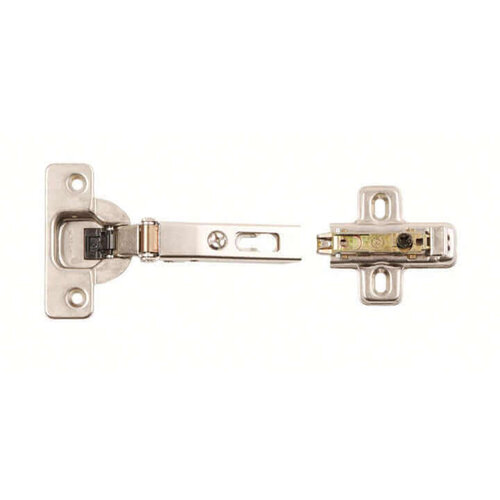
Clip On Kitchen Hinge - 25mm Silver 2 Pack
Pack of 2 silver clip-on kitchen hinges, 25 millimetres
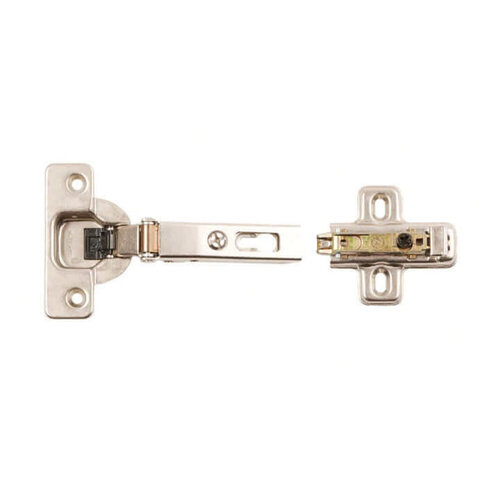
Concealed Sprung Hinges 90° - 25mm 2 Pack
Pack of 2 concealed sprung hinges, 25mm
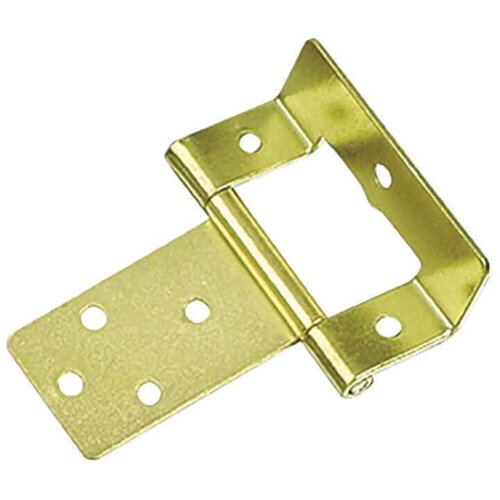
Cranked Flush Hinges - 16mm Brass Plated 2 Pack
Brass plated cranked flush hinges, 16mm, pack of 2
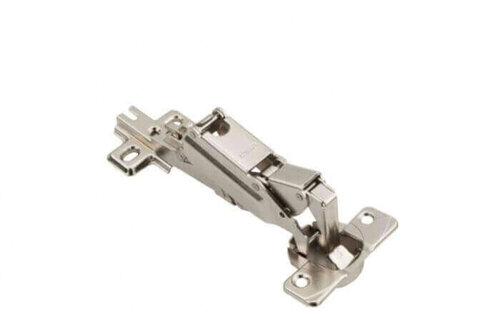
Eclipse Cabinet Hinge Slide 170° - 35mm Nickel Plated 2 Pack
Clip-on cabinet hinge, 170° opening, nickel plated, 35mm, 2 pack.
For the Trade
Start with the space you’ve got and how the door needs to move. That usually rules out half the options before you look at finish or adjustment. If the carcass is tight or you want a clean face, concealed cabinet hinges are the usual pick. If the door position is more forgiving, a different cabinet hinge may be simpler and cheaper. Overlay and inset still matter because they change how much of the frame you’re covering. That’s where jobs get held up when the wrong hinge turns up. Soft close is worth paying for where slamming is the issue, but it’s not the first call on a straightforward fit.
Cabinet Hinge Types and Layouts
The first split is usually between concealed cabinet hinges and more visible cabinet hinge styles. Concealed types suit modern units where you want the hardware out of sight and a bit more adjustment at fitting. The trade-off is the cup cut and the extra care needed on alignment.
Overlay cabinet hinges suit doors that sit over the carcass edge. Inset cabinet hinges are the better fit when the door sits flush inside the frame. You lose some coverage, but the finish is cleaner.
Soft close cabinet hinges help where slam is the issue. Self closing cabinet hinges are simpler and usually cheaper, but you give up that controlled shut. If you’re matching an existing run, check the layout first, then pick the hinge type to suit - Hinges is the parent range if you need to step back and compare the rest.
What to Check Before You Buy
What usually decides it is the door weight, the reveal you need, and how much adjustment you want after fitting. Cabinet hinges with a cup fixing are the usual pick when you want a clean face and straightforward fine-tuning. Visible styles suit simpler furniture where speed matters more than appearance.
If doors are getting slammed all day, soft close cabinet hinges are worth the extra cost. If not, a standard cabinet hinge is usually the cheaper call. For flush doors, inset cabinet hinges are the first ones to check, but they leave less room for error on set-out.
If the job is really a door rather than furniture, move over to Door Hinges. If you’re trying to stop trapped fingers on a run of units, Finger Protectors are the next thing to look at.
Useful Alongside Cabinet Hinges
Once you’ve picked the cabinet hinges, the next call is usually the surrounding hardware and finish. On fitted furniture jobs, that means checking whether you need matching catches, handles, or a different door stop so the door doesn’t foul adjacent panels.
If the unit sits in a busy run, finger protectors are worth looking at where the door swing creates a pinch point. The hinge can be right, but the door still feels wrong if the rest of the set-up hasn’t been thought through.
Related searches
Local availability for Cabinet Hinges






