Door Hinges
For most jobs, you’re choosing between standard butt hinges for ordinary internal doors and heavier patterns when the door gets more use or weight. If you need a cleaner finish, brass or black door hinges are usually picked to match the ironmongery. Stainless steel is the call where moisture or external exposure is a factor. Get the spec wrong and you’ll soon see sag, noise, or a finish that looks out of place once the door furniture is on.
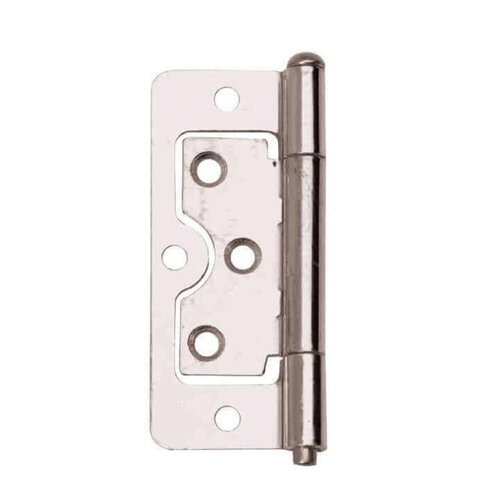
Flush Hinges - 40mm Zinc plated 2 Pack
Zinc plated flush hinges, 40mm, supplied in a pack of 2.
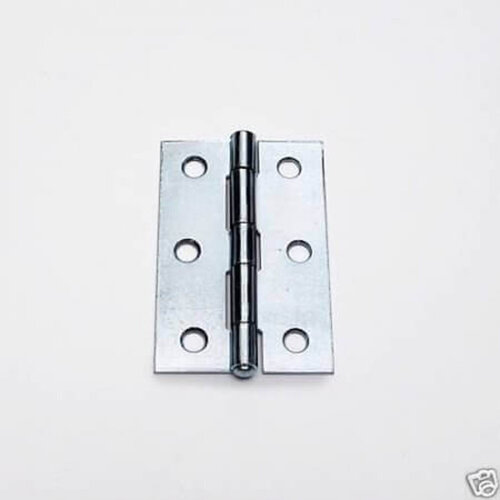
Best Hardware Butt Hinge Steel BZP - 75mm 2 Pack
75mm steel butt hinge, bright zinc plated, 2-pack
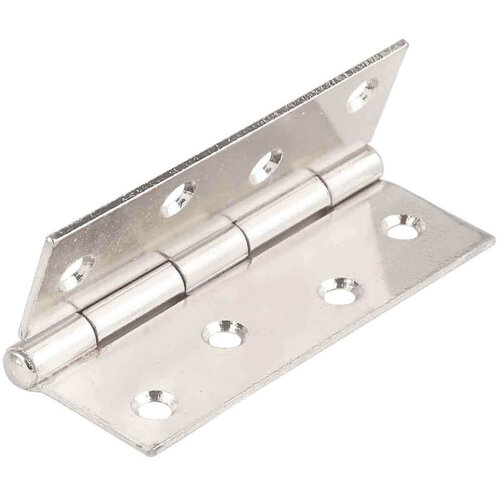
Select Hardware Bonus Bag Butt Hinge Steel - 50mm 2 Pack
Steel butt hinge, 50mm, 2-pack
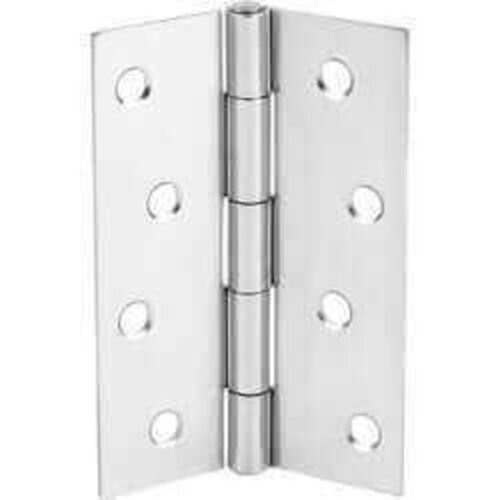
Chrome Plated Butt Hinge - 100mm 2 Pack
Chrome plated interior butt hinge, 100mm length, 2 pack.
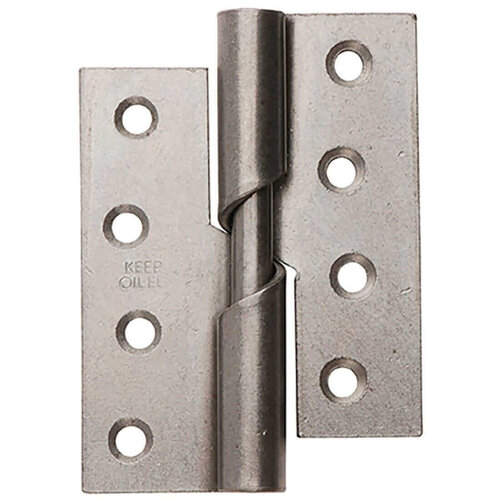
Dale Left Hand Rising Butt Hinges Steel - 100mm Self Colour 2 Pack
Pack of two 100mm self colour steel left-handed rising butt hinges
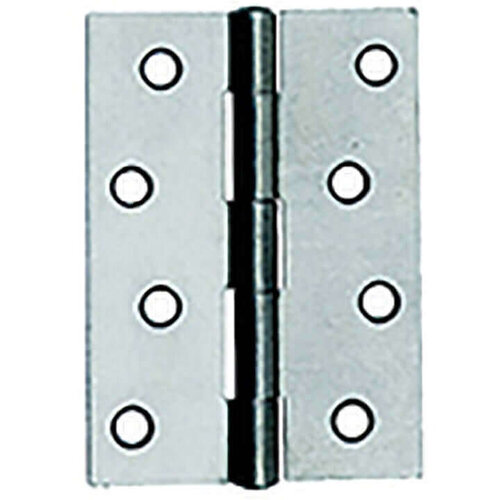
Butt Hinges 1838 Steel Self Colour - 100mm 24 Pack
Steel self colour butt hinges, 100mm, pack of 24
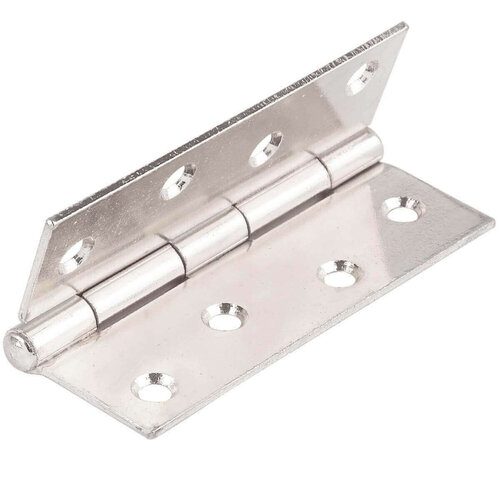
Select Hardware Butt Hinges - 100mm Chrome 2 Pack
100mm chrome butt hinges in a 2 pack
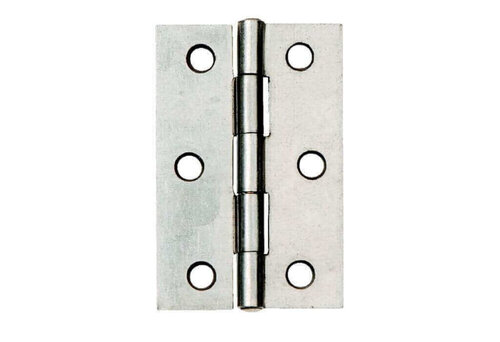
Butt Hinge - 100mm Polished Chrome 3 Pack
Polished chrome butt hinge, 100 millimetres, pack of 3
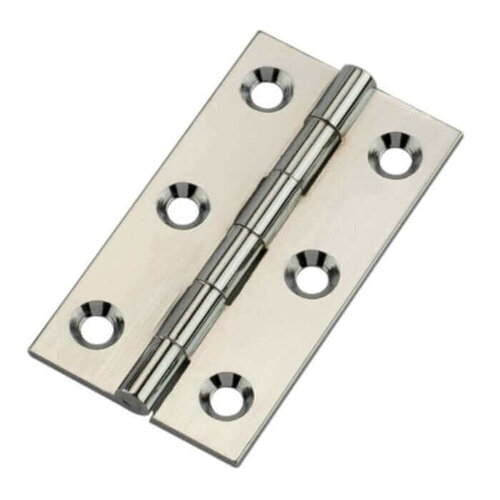
Eclipse Drawn Butt Hinge - 76 x 41mm solid brass chrome plated 2 pack
Solid brass drawn butt hinge, chrome plated, 76x41mm, pack of 2.
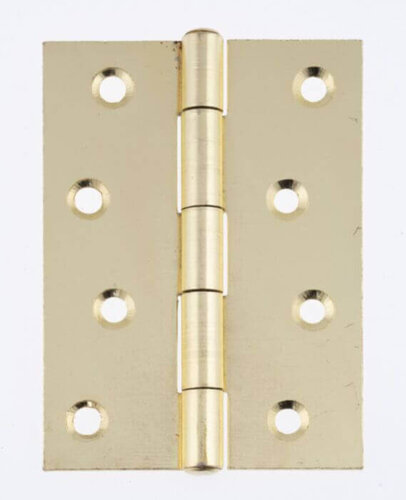
Eclipse Butt Hinge Fixed Pin - 100mm Electro Brass Plated 3 Pack
100mm steel butt hinge, fixed pin, electro brass, 3 pack
For the Trade
You’re usually deciding on load, use, and finish before anything else. A light internal leaf doesn’t need the same hinge as a heavy solid door, and a busy door wants a different bearing than one that only moves now and then. Butt hinges are still the common call because they’re straightforward and familiar, but the spec changes fast once the door is heavier, closer, or the finish has to sit with the rest of the ironmongery. On heavier doors, ball bearing door hinges are the ones you reach for when wear and movement matter. Spring door hinges and self closing door hinges come into play when the door needs to shut itself. The wrong hinge shows up later as noise, drop, or a mismatch after the rest of the job is done.
Types of Door Hinges
If the door gets regular use, ball bearing door hinges are the ones you’d normally reach for. They handle wear better and stay smoother under load. Lighter internal doors usually don’t need that extra spec.
Heavy duty door hinges make more sense on oversized doors, solid doors, or where the door is likely to get knocked about. The trade-off is a bulkier look if you want a slimmer finish.
Spring door hinges and self closing door hinges suit doors that need to return on their own. You’re buying the closing action, not just support.
Finish then comes down to the ironmongery around it. Go black door hinges or chrome door hinges if you want the set to sit together.
If you’re working through the wider range, start with Hinges.
Selection Factors for Door Hinges
Material is usually the quickest way to narrow it down.
Stainless steel door hinges are the better call when you want a firmer face and more resilience in day-to-day use. The trade-off is handling. They feel heavier in the hand than lighter options, and that changes the job on site.
Brass door hinges are more often picked when the finish needs to sit with the rest of the ironmongery. They’re less convincing on harder-working doors, so they suit lighter duty better. Weight still matters. You notice it before the door is hung.
If the job is more decorative or lighter duty, Cabinet Hinges are the nearer comparison. For larger leaves, Tee Hinges is where you’d look next.
Finish the Room
Once you’ve picked the right door hinges, the next call is what else is happening around the opening. If the door sits in a fitted run, cabinet hinges and finger protectors are the bits that stop the rest of the job looking unfinished or getting damaged in use.
On external openings, you’re often into gate hinges or specialist hinges instead, because the fixing, movement and exposure are different. For a cleaner finish on internal work, black door hinges or brass door hinges are usually chosen to match the ironmongery, while the wrong finish tends to stand out once the handles and latch are on.
Related searches
Local availability for Door Hinges







