Fire Door Hinges
Fire door hinges are usually chosen on the door rating first, then on size and bearing type. If the door is heavy or gets regular use, you’ll normally want a firmer hinge than you’d fit on an ordinary internal door, because a sloppy hinge is what brings the call-back. 3 inch and 4 inch sizes are the common split, with 100mm often used as the metric equivalent, so the frame and existing ironmongery usually decide the format before anything else.
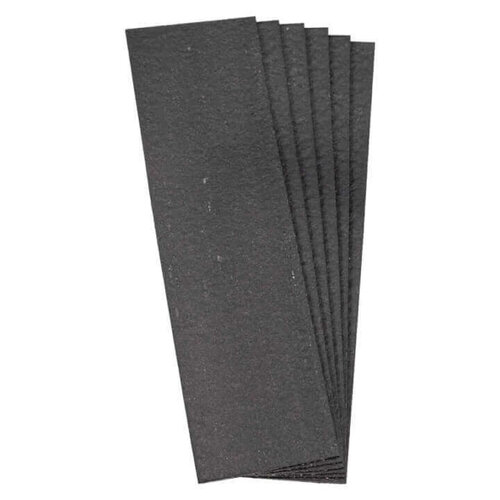
Fire Door Intumescent Hinge Pads - 76mm 6 Pack
Intumescent hinge pads for fire doors, pack of 6, 76mm
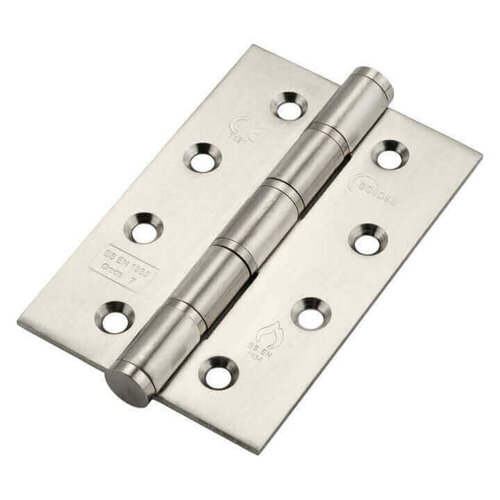
EFB Class 7 Fire Door Hinge Satin Stainless Steel - 102mm x 76mm 3 Pack
Class 7 fire door hinges, satin stainless steel, 102x76mm, 3 pack.
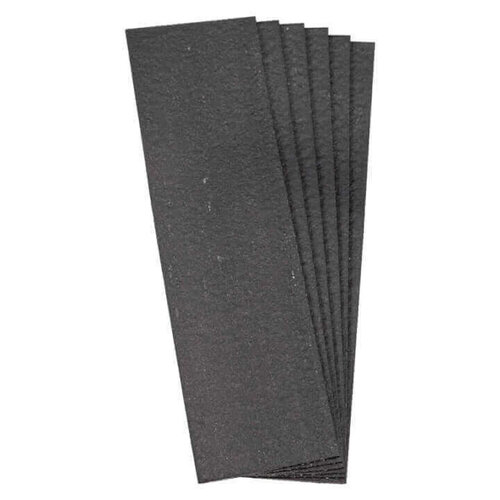
Firedoor Intumescent Hinge Pads - 100mm 6 Pack
100mm intumescent hinge pads for fire doors, pack of 6.
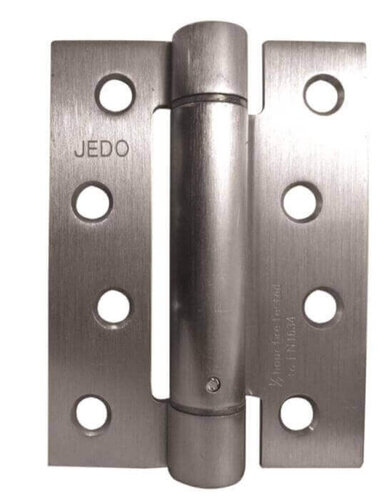
Frelan Hinge Spring 30 Min Fire Tested - 100mm Satin 3 Pack
Self-closing spring hinge, 100mm, satin chrome, 30-min fire rated, 3-pack
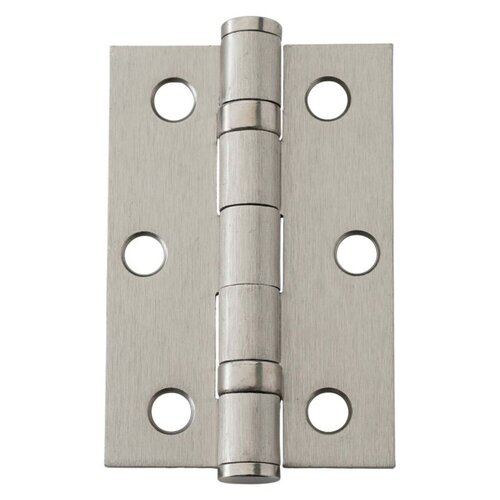
Dale Ball Bearing Butt Hinges - 100 x 75mm Satin Chrome 2 Pack
100 x 75 millimetre satin chrome ball bearing hinges, pack of two
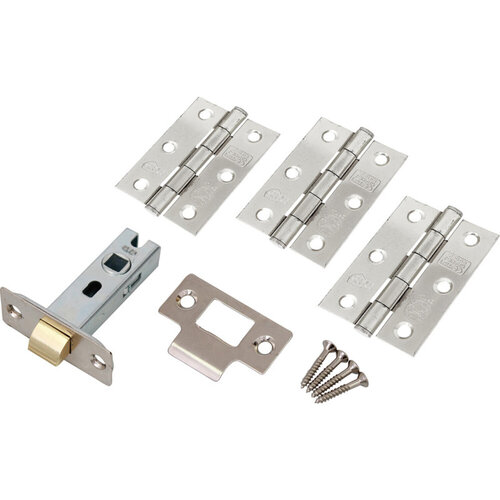
Fire Door Grade 7 Hinge & Latch Pack - Polished Chrome
Interior fire door hinge & latch pack with fixings, polished chrome finish.
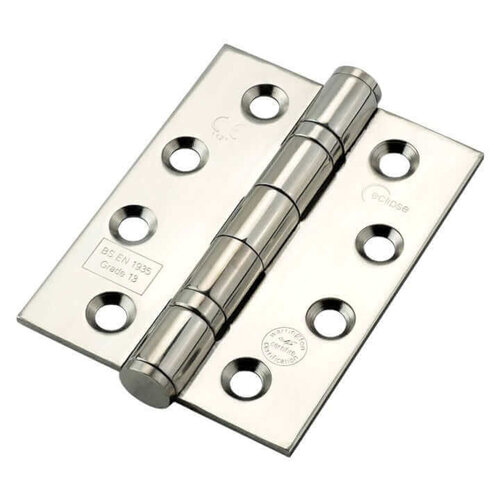
Class 13 Fire Door Hinge - 102mm x 76mm polished stainless steel 3 Pack
Polished stainless steel Class 13 fire door hinge, 102x76mm, pack of 3
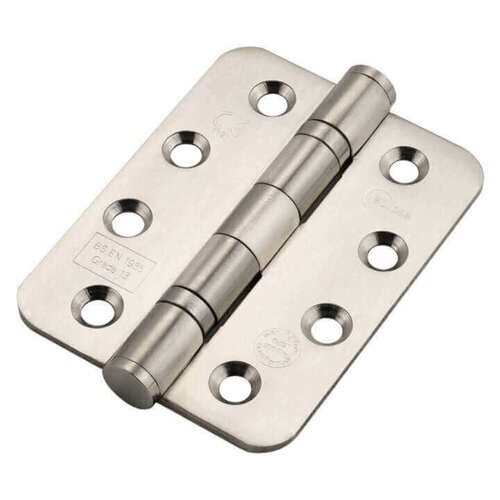
C13 Radius Fire Door Hinge - 102mm x 76mm Satin Stainless Steel 3 Pack
Radius fire door hinge, satin stainless steel, 102x76mm, pack of 3
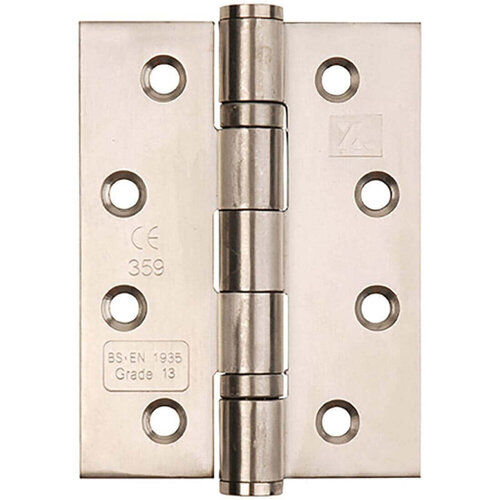
Excel Class 13 Firedoor Hinges - 100mm x 75mm Satin Stainless Steel 12 Pack
12-pack of Class 13 fire door hinges in satin stainless steel
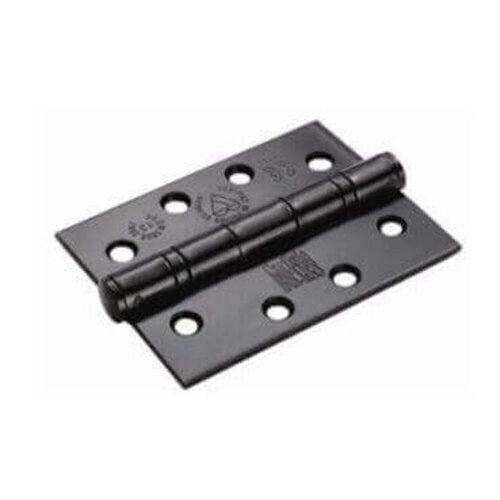
Eclipse Ball Bearing Grade 13 Stainless Steel Hinge - 102mm x 76mm x 3mm Black 2…
Grade 13 stainless steel ball bearing hinge, black matt, 102x76mm, 2 pack
For the Trade
Start with the space you’ve got and how the door’s being used, then the spec usually falls into place. On a tight frame or a busy opening, you want a hinge that suits the available margin and the door weight, because the wrong choice is where you get drag, noise, or a call-back. Fire door hinges are then narrowed by rating and fixing pattern, not by finish. Plain steel is usually the sensible pick for most jobs. Only move to a decorative finish if the ironmongery has to match and you’re not giving up performance to get it.
Fire Door Hinge Options Compared
For most jobs, you’re choosing between standard fire rated door hinges and intumescent fire door hinges. The plain fire rated type suits straightforward replacements where the door set already matches and you just need the right rated hinge on the leaf. Intumescent fire door hinges suit specs that want the protection built in. That removes a separate step later, but they can be a tighter fit on some existing doors.
Trade fire door hinges are the usual pick for repeat work. They’re the familiar, no-nonsense option when you want a direct swap and less faff on site. If you’re matching existing ironmongery, 3 inch fire door hinges or 4 inch fire door hinges, including fire door hinges 100mm, are the first check. Get that wrong and you’re into avoidable returns. Hinges
Choosing Materials and Size
The first check is the same one you’d make at the counter: what’s the door, and what’s already in the frame. Fire door hinges are usually chosen to match the door weight and the fixing pattern. A tidy spec still fails if the leaf is too heavy or the holes do not line up.
Standard fire rated door hinges suit straightforward replacements. Intumescent fire door hinges work where the protection sits in the hinge set rather than elsewhere.
Size matters as well. 4 inch fire door hinges give more bearing on heavier leaves. 3 inch fire door hinges are often enough on lighter internal work.
If you are off the fire-door job and just need ordinary ironmongery, Door Hinges is the better place to look. For smaller fittings, Cabinet Hinges is the separate line.
Completing the Setup
Once the fire door hinges are sorted, the next call is usually the surrounding ironmongery and finishes. If the door sits in a busy corridor, finger protectors often come up before anything decorative, because that is where the call-backs come from.
On the same job, you may also be looking at the door furniture and any adjacent panels or screens, so the finish stays consistent and you are not back later trying to match mixed hardware. Keep the hinge spec tied to the door, then finish the rest of the opening around it. That is usually the cleanest way to avoid rework.
Related searches
Local availability for Fire Door Hinges





