Tee Hinges
Tee hinges suit jobs where the long strap needs to spread the load, so size and finish matter more than the label on the box. Black tee hinges work well on visible timber, while galvanised tee hinges are the better call where weather exposure matters and the finish needs to hold up. If the door is heavier or sees regular use, step up in strength rather than just length - a light hinge on a heavy leaf is what brings the call back.
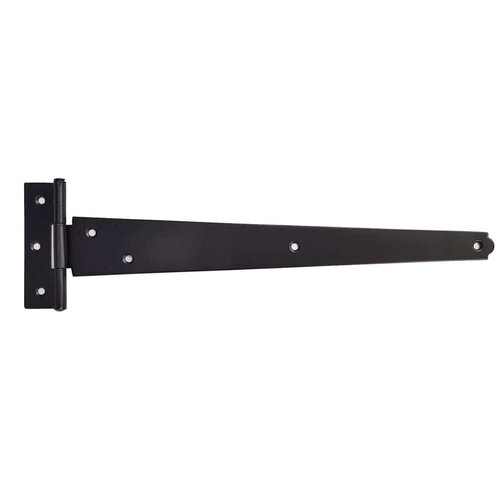
Select Tee Hinges - 300mm Black 2 Pack
300mm black tee hinges, 2-pack
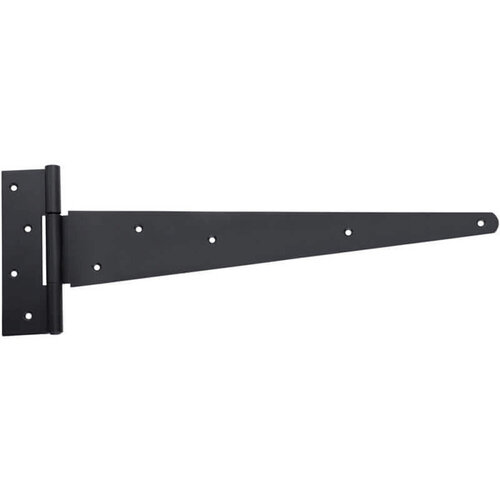
Carlisle Brass Tee Hinge - 450mm black
Black 450mm tee hinge for various hinging applications
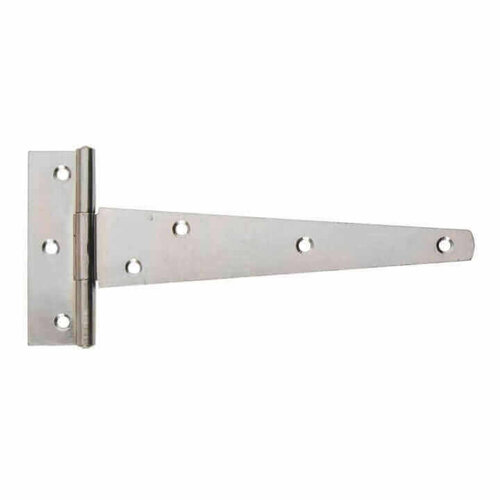
Light Tee Hinges - 152mm Bright Zinc Plated 2 Pack
Light tee hinges, 152 millimetres, bright zinc plated, pack of 2.
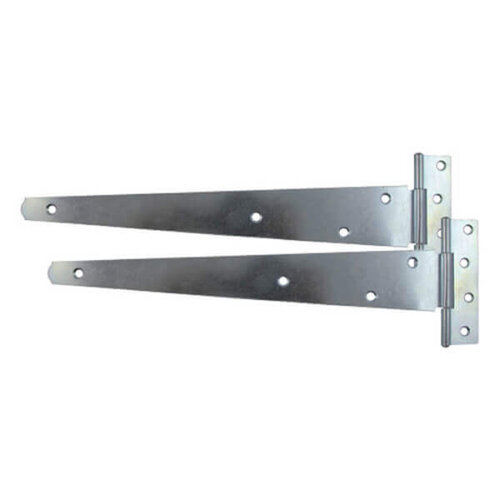
Timco Pair of Medium Tee Hinges - 12\" Zinc
Pair of 12" zinc plated medium tee hinges for gates up to 30kg
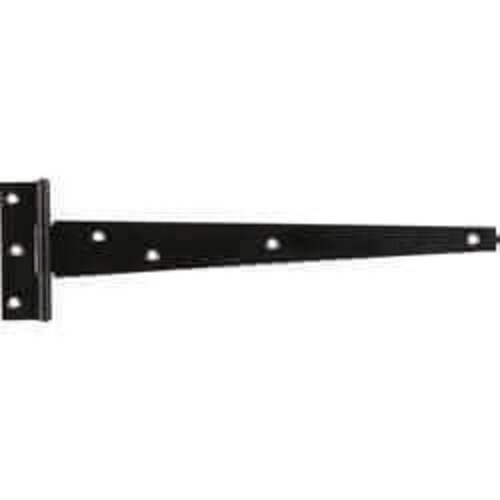
Light Duty Tee Hinge - 250mm 2 Pack
Black 250mm tee hinge, 2-pack for light gates and shed doors
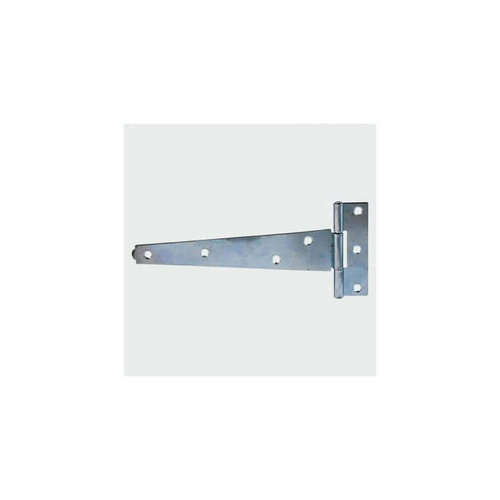
Timco Light Tee Hinge Pair - 6" Zinc
Pair of zinc light tee hinges for timber gates, 152mm.
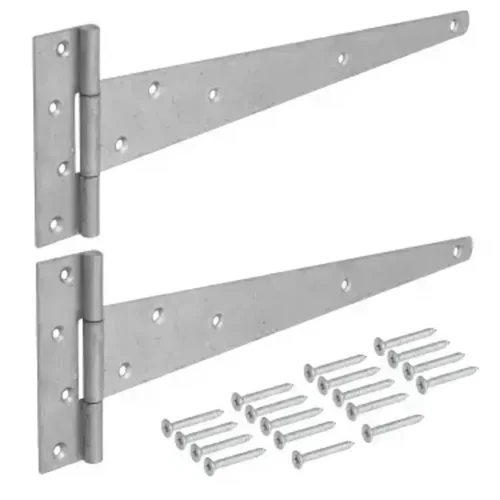
Tee Hinge 120 Pattern Strong Pattern with Fixings - 350mm Galvanised
Strong 350mm galvanised tee hinge with fixings (120 pattern)
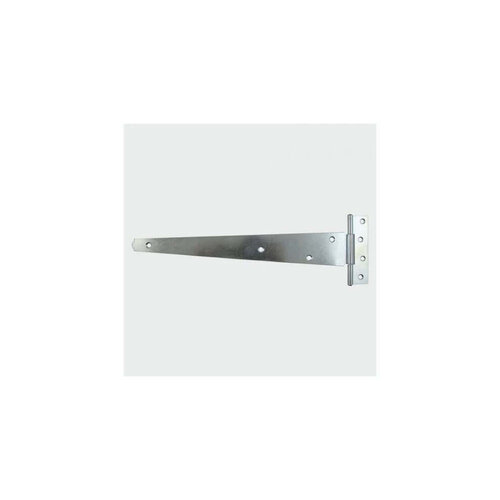
Timco Medium Tee Hinges - 18" Zinc Pair
18 inch zinc-plated tee hinges for medium weight gates and doors
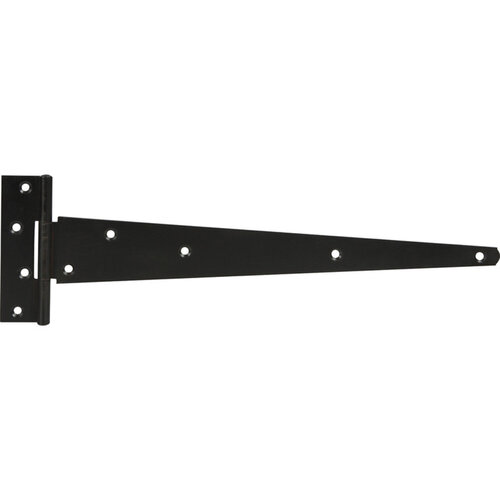
Gatemate Medium Tee Hinges - 400mm Epoxy Black 2 Pack
Epoxy black tee hinges for medium gates, 400mm, pack of 2
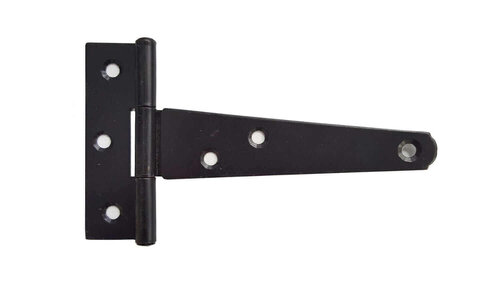
Select Tee Hinges - 250mm Black 2 Pack
Black tee hinges, 250mm, pack of 2
For the Trade
Start with the load and the look, then check the finish and fixing pattern. Tee hinges are usually picked when you want the weight carried out along the leaf, but the real call is how much movement the door will see and how much exposure it gets. A longer strap gives more support on heavier leaves. A shorter one works where the door is lighter and space is tight. Black tee hinges suit visible ironmongery. Galvanised tee hinges make more sense once weather is part of the job.
Tee Hinge Types and Layouts
Start with standard or heavy duty tee hinges. Standard patterns suit lighter leaves and simpler jobs where you want a neat, straightforward fit.
Heavy duty tee hinges suit wider doors, higher use, or anything that tends to rack. They carry more load, but the look is less refined. For exposed work, galvanised tee hinges are the usual pick where corrosion is a concern. Black tee hinges sit more quietly on the timber when you want the fixing to blend in. If you’re matching the rest of the ironmongery, Hinges is the parent range to check next.
What to Check Before You Buy
Material is the first call on tee hinges. Stainless steel tee hinges are usually the pick when you want a firmer face and a bit more resilience in daily use. The trade-off is weight. They’re heavier to handle than acrylic on many sites.
That matters on the job. Material changes how the hinge feels in your hand and how the finished fit behaves. If the work is more about appearance and lighter duty, you can step back from that. For smaller joinery work, Cabinet Hinges usually make more sense. For ordinary hanging work, Door Hinges is the other comparison you’d normally make.
Useful Alongside Tee Hinges
Once the tee hinges are on, the next question is what else the opening needs. A shed door often wants matching ironmongery and a decent latch. A gate job may need stops, catches, or a check on the surrounding timber before you sign it off.
If the door sits in a bigger run of joinery, you may also be choosing between visible hardware and a cleaner finish. That changes what you order next and what gets left exposed. The usual miss is buying the hinge and leaving the rest of the hardware until last, then finding the gate or door still doesn’t sit right.
Related searches
Local availability for Tee Hinges










