Hinges
Hinges usually come down to what you’re hanging, how much use it’ll see, and whether you need a plain, heavy-duty or adjustable fix. Lighter internal jobs can take a simpler option. Doors, gates and anything that gets hard use usually need a sturdier build and better fixing points. If you’re matching existing ironmongery, finish and size matter as much as the pattern - a mismatch is what gets you called back.
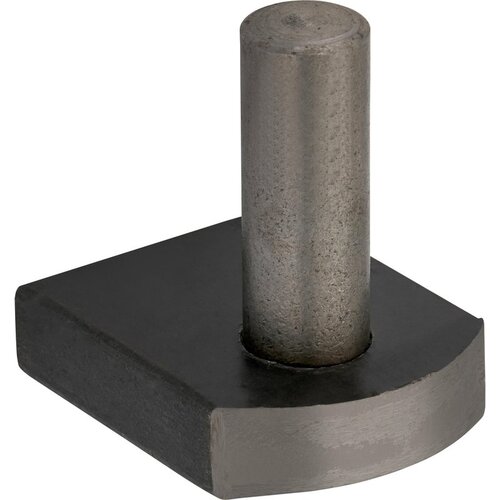
Lockworks Metal Gate Weld On Fitting Hook
Self-colour steel weld-on fitting hook with a 19 millimetre pin
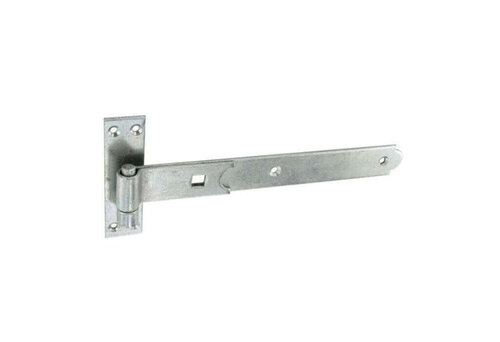
Straight Hook and Band Hinge
Straight style hook and band hinge.
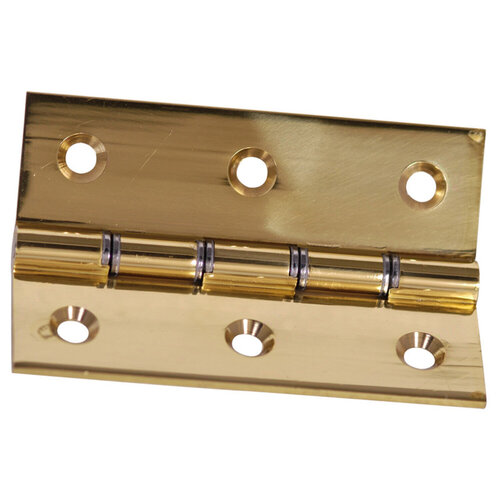
Double Steel Washered Hinge - Pol. Brass 75mm 2 Pack
Polished brass double steel washered hinge, 76mm, 2 pack
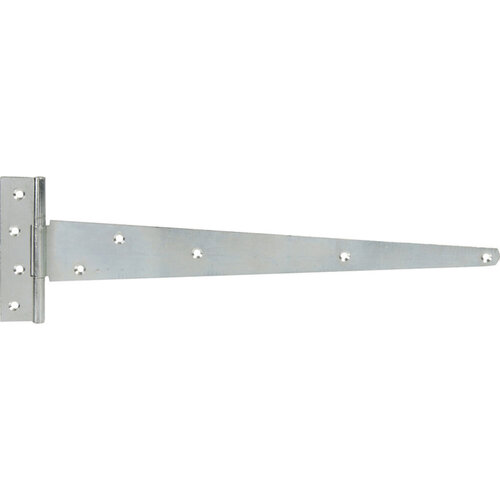
Gatemate Medium Tee Hinges - 450mm Bright Zinc 2 Pack
Pair of 450mm zinc plated tee hinges for medium-weight gates
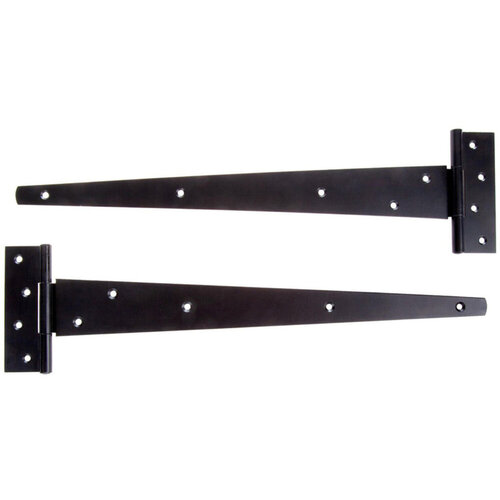
Lockworks Heavy Duty Tee Hinge - Black 450mm 2 Pack
Heavy-duty 450mm black tee hinge, pack of 2 for exterior doors.
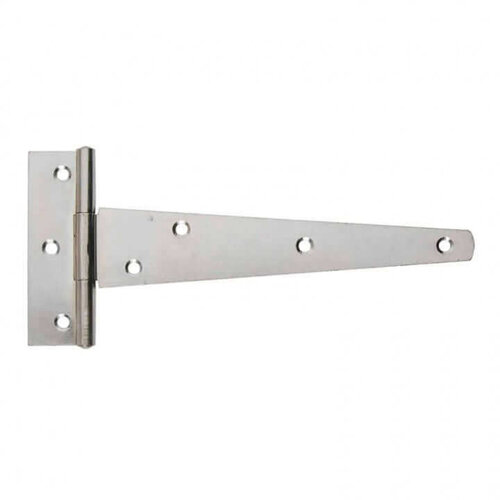
Medium Tee Hinges - 356mm Bright Zinc Plated 2 Pack
Medium tee hinges 356mm bright zinc plated pack of 2
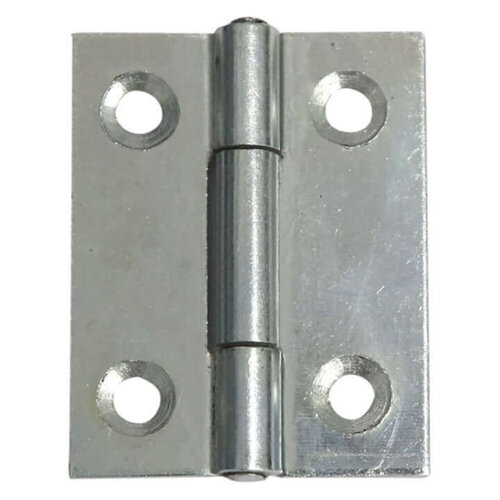
Butt Hinges 1838 - 50mm Chrome Plated 2 Pack
Chrome-plated butt hinges, 50 millimetres, pack of 2.
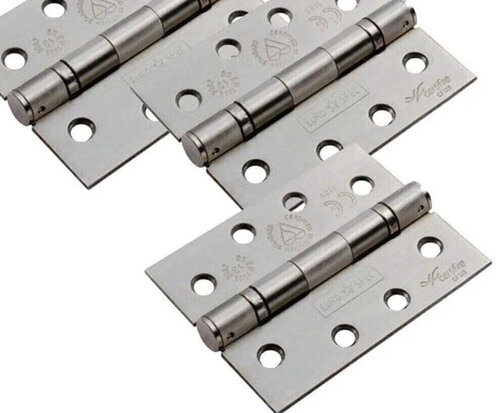
Eurospec Enduro Grade 13 Ball Bearing Hinge - 102mm x 76mm 25mm
Ball bearing hinge, 102mm x 76mm x 25mm
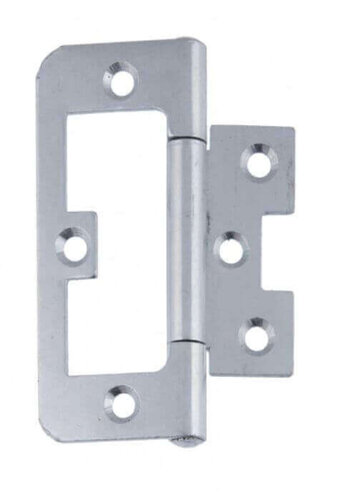
Eclipse Flush Hinge - 75mm Bright Zinc Plated 2 Pack
Steel flush hinge, 75mm, bright zinc plated, 2-pack, with screws for cupboards &…
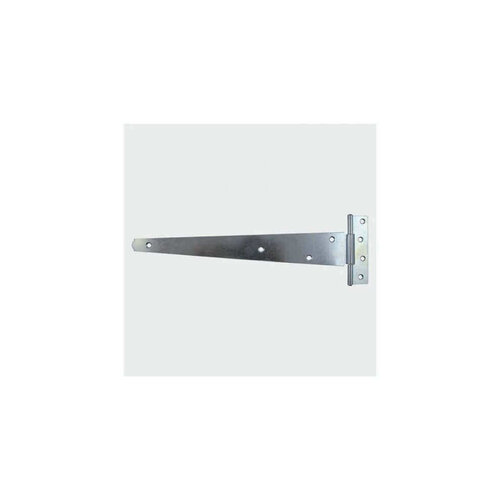
Timco HDG Medium Tee Hinge - 14" Pair
Galvanised medium tee hinge pair 355.6mm for timber gates
For the Trade
Start with the space and how the leaf will be used, then the rest falls into place. A tight reveal, awkward clearance or a heavily used opening will rule out a few hinges straight away, before you think about finish. Look at the job first and the hardware second. If you need to keep the spec aligned across a wider scheme, the parent Security & Ironmongery page keeps you in the right part of the range without drifting into the wrong type. Finish and extras matter, but only after you’ve settled the movement, load and fixing pattern.
Cabinet Hinges
Cabinet work usually comes down to how much movement you need and how neat the finished face has to be. Standard hinges suit most cupboard doors where you want a simple fixing and easy replacement later.
Cabinet Hinges are the narrower buy when you’re matching existing units or dealing with smaller doors. They keep the hardware compact and out of the way.
If the door needs more adjustment after hanging, adjustable hinges earn their keep, though you give up a bit on simplicity and price. Piano hinges suit jobs that need support along the full length rather than just at the points.
Door Hinges
For a normal hanging job, you’re mainly weighing up the door weight, how often it’ll be used, and whether you need a cleaner face or easier adjustment. Heavier doors usually need a firmer hinge pattern and better fixing into the frame. Lighter internal work can get away with less.
Door Hinges are the narrower buy when you’re matching a standard opening and don’t need the specialist options elsewhere in the range. The jobs that come back are usually the ones where the hinge looked fine on the shelf, but wasn’t right for the door weight or the amount of movement.
Finger Protectors
Finger Protectors come into play when the job is less about load and more about keeping fingers clear on the closing side. That matters on busy openings where the same edge keeps getting caught.
If you’re sorting a wider spec, Finger Protectors sit in a different lane to the heavier hanging options. You’re buying protection at the hinge line, not extra support. That usually means less compromise on clearance, but you do need to be sure the opening detail suits the profile.
Fire Door Hinges
Fire door hinges are the ones you pick when the door spec matters more than the finish. You’re balancing load, closing performance and the rating the set has to work with, so a cheap general-purpose option is rarely the right call.
A standard hinge may look close enough, but it can be the wrong choice once the door is heavier or the spec is tighter. The job comes down to matching the hinge to the door set, not just the leaf size, because that’s where call-backs start.
Gate Hinges
Gate hinges are the ones you pick when the opening has to carry weight, cope with movement and keep working in weather. For a light garden gate, a simpler pattern is usually enough. Once the leaf gets wider, heavier or sees regular use, you need more bearing and a fixing pattern that stays put.
That is where trade hinges for gates earn their keep. They are chosen for load and durability, not neatness. If the gate is prone to sagging, adjustable hinges are the better call. A fixed set will not pull it back. The usual mistake is buying on size alone and ignoring how the gate hangs once it is on the posts.
Specialist Hinges
Specialist hinges are the ones you reach for when a standard pattern won’t do the job. You’re usually weighing up load, movement, fixing method, and how much adjustment you need after the door or panel is hung.
A plain hinge is often the cheaper answer. Go specialist when the opening is awkward, the weight is unusual, or the hardware has to do more than just swing. The usual mistake is buying on shape alone and finding the hinge doesn’t suit how the leaf is being used.
Choosing Materials and Size
What usually decides it is the load, the finish, and how much adjustment you want after the door’s hung.
Stainless or coated hinges make sense where weather or corrosion will be an issue, but they cost more than basic steel.
If the opening gets a lot of use, go heavier. Light-duty hinges are the ones that come back with sag.
Adjustable hinges help when you need a bit of correction on site, though they are not the simplest or lowest-cost option.
If you are finishing the job out, Door Furniture is usually the next thing to match so the set stays consistent.
Completing the Setup
Once the hinges are sorted, the next call is usually the surrounding ironmongery and finish. That’s where jobs get held up.
If you’re matching a set, keep the leaf, latch side and handles in the same finish. It saves you swapping bits later.
On busy doors, get the door furniture lined up early. Mismatched backplates or escutcheons stand out once the door’s hung.
For gates and external work, check the fixing side as well. The hinge choice is only half the job if the posts or brackets aren’t right.
Related searches
Local availability for Hinges










