Brackets
Brackets come down to what you’re fixing, how much load it’s carrying, and whether the shape needs to sit flush in a corner, on a wall, or as a simple right-angle support. For lighter fixing jobs, standard metal brackets usually do the work. When the span, weight, or movement goes up, heavy duty brackets or steel brackets are the safer pick, and stainless steel suits areas where corrosion is a concern. The wrong size is what gets called back, not the wrong name.
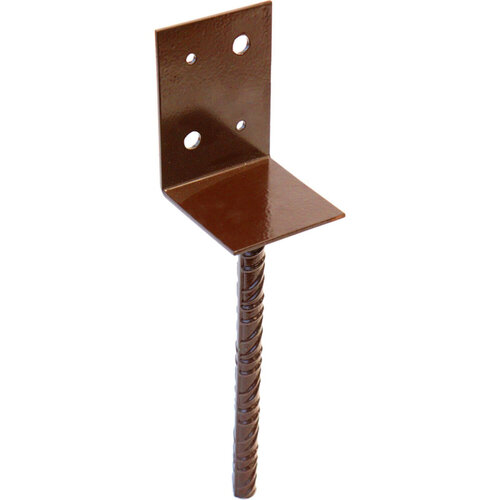
75mm 3" No.494 Sleeper / Base Anchor Bracket to Concrete In - 75mm
75mm sleeper anchor bracket for securing posts to concrete
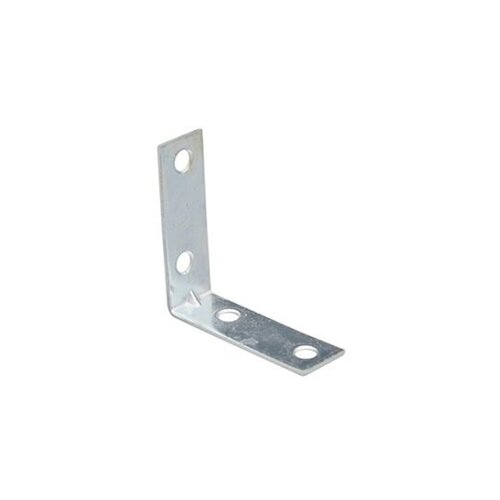
Timco Corner Brace - 2"
Silver 50mm corner brace for reinforcing right-angle joints
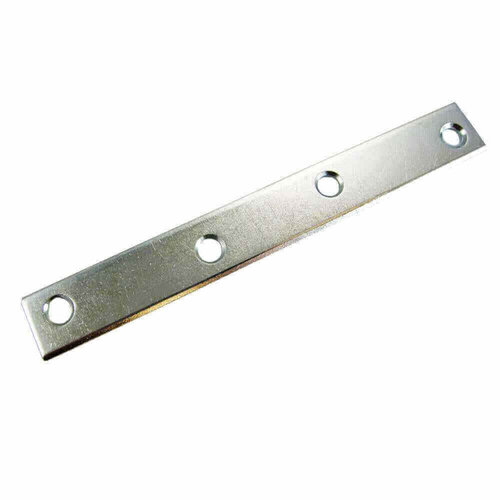
Select Hardware Bonus Bag Mending Plates - 75mm Steel 3 Pack
Pack of 3 steel mending plates for reinforcing wood joints
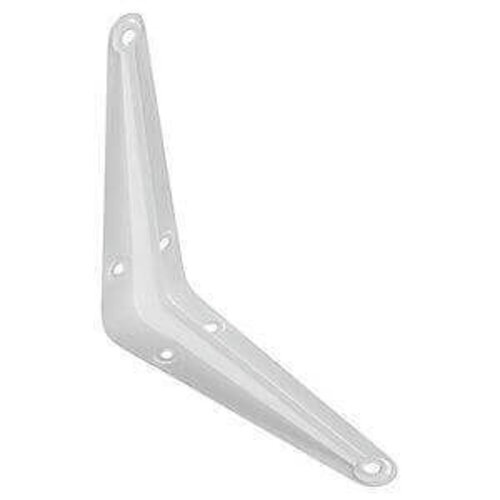
Rothley Shelf Bracket - 100 x 75mm London White
Traditional London style white bracket (100 x 75mm) with unique spine design
Tradeline SGL9 Fix Bracket - 125mm Leg
Tradeline SGL9 fix bracket with 125mm leg
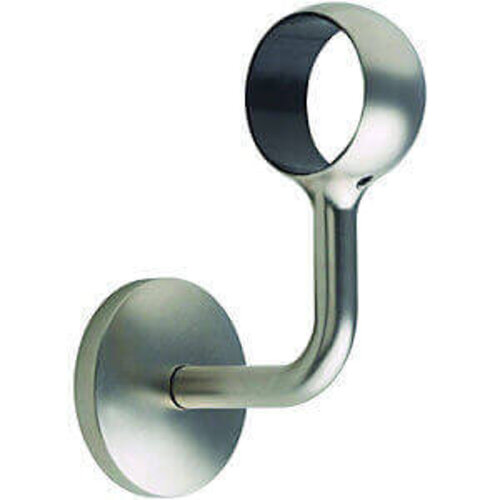
Rothley Handrail Bracket - 40mm brushed
Brushed wall bracket for 40mm handrails
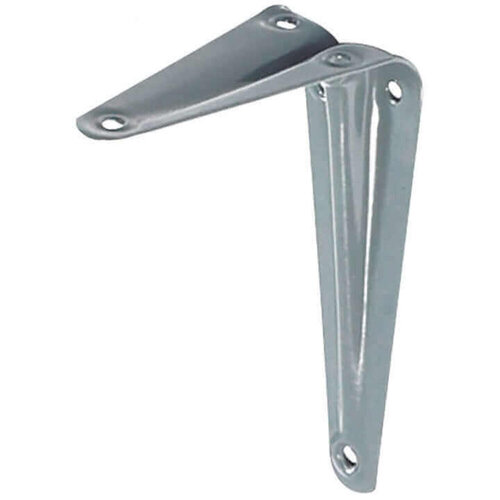
London Bracket - 125mm x 100mm Grey
London bracket, 125mm x 100mm, grey
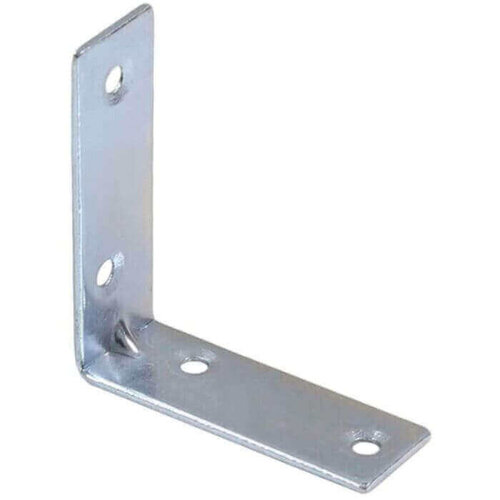
Fast-PAK Value Pack Corner Bracket - 50mm Zinc 4 Pack
Galvanised steel corner bracket, zinc plated, 50mm, 4-pack
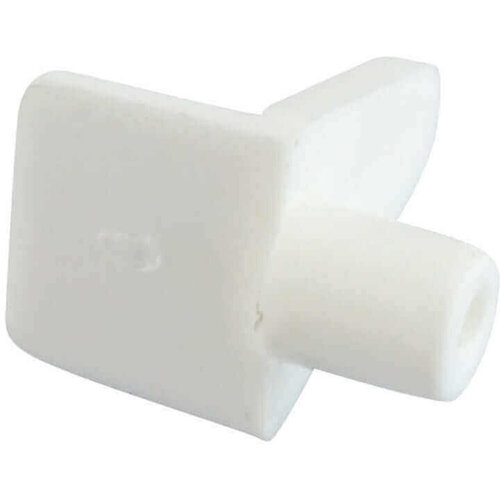
Unifix Shelf Support - White 25 Pack
White shelf support brackets, pack of 25
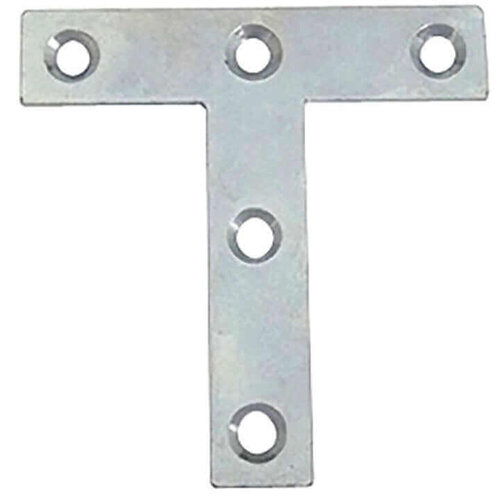
Tee Plate - 75mm Zinc Plated 5 Pack
75mm zinc plated tee plate, pack of 5
For the Trade
You’re usually choosing brackets on three things: what they’re holding, how much movement there’ll be, and how much room you’ve got to fix them properly. A shelf in a dry room doesn’t need the same spec as a wall fixing in a busy area. Corner brackets and right angle brackets suit different jobs, so shape matters as much as size. Metal brackets are the common call, but heavy duty brackets or steel brackets make more sense once the load or abuse starts to matter. The call-backs are usually the jobs where the fixing points were guessed rather than measured.
Bracket Options Compared
If the fixing is straightforward, angle brackets are the usual pick. They give you simple right-angle support without taking up much room.
Corner brackets earn their keep where you need to use a corner properly rather than leave dead space. The trade-off is a wider footprint than a straight run.
Heavy duty brackets are the ones to reach for when load or movement is the issue. You give up a bit of neatness, and you’ll usually pay for the extra capacity.
For exposed work, galvanised brackets are the safer call than plain metal brackets. If you’re working through the wider Ironmongery range, that’s usually where you split general support from jobs that need a bit more resilience.
Choosing Materials and Size
Material is where you narrow it down quickest. Steel brackets usually suit tougher daily use because they give a firmer face and less flex, but you carry more weight on the van and up the stairs.
Stainless steel brackets make more sense where corrosion resistance matters and the fixing will see more abuse. They still feel heavier in the hand than lighter alternatives. That handling difference matters on site, and so does the finish you want the job to end up with. If you’re matching other fittings, check Outdoor Hardware or Window Furniture before you order, so you’re not mixing finishes across the same run.
Completing the Setup
Once the main fixing is sorted, the next job is what has to land on the same wall or frame. If you’re hanging panels, screens or storage, the bracket choice usually follows the finish and the fixing point. Light-duty support is fine where the load is modest. Once the run starts carrying weight or gets knocked about, heavier metal brackets are the safer call.
On exposed work, the finish matters as much as the shape. The wrong one will rust or mark before the job should. That is why the surrounding ironmongery often gets decided at the same time, not after the rest of the install is already fixed.
Related searches
Local availability for Brackets











