Hooks
Hooks usually come down to what they’re carrying and where they’re going. Light coat hooks and key hooks suit everyday fixing to timber or masonry, while heavier wall hooks or screw hooks make more sense when the load or pull is higher and you don’t want movement. Cup hooks and picture hooks suit smaller, neater jobs. Ceiling hooks need more thought because the fixing and load path matter. Don’t buy by shape alone - buy by what the hook has to hold and how much abuse it’ll take.
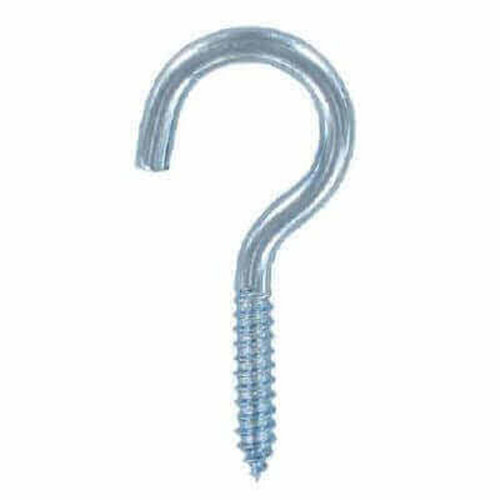
Fast-PAK Screw Hooks Large
Large screw hooks for hanging and storage
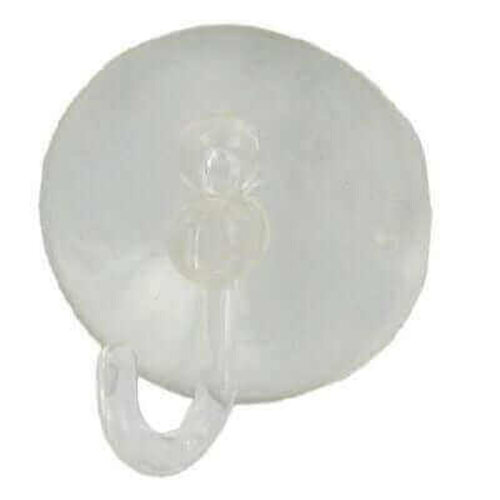
Fast-PAK Suction Hooks - 40mm
40mm suction hook by FAST-PAK
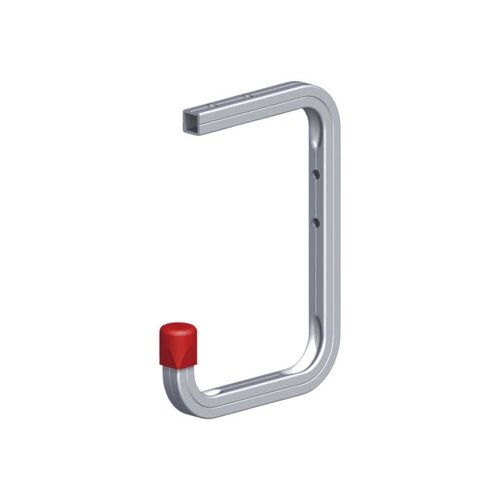
Aluminium Wall & Ceiling Hook - 115 x 160mm
Aluminium wall and ceiling hook with red plastic end cap
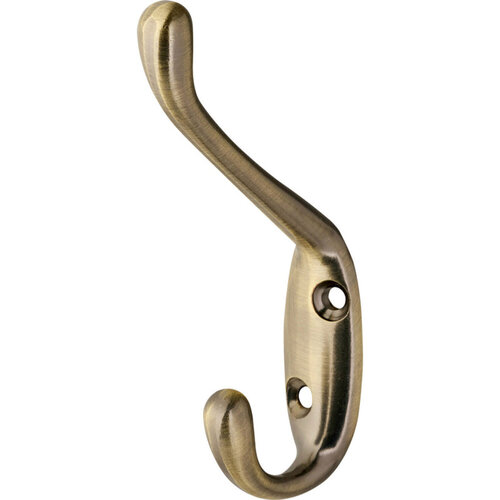
Hat & Coat Hook - Antique Brass
Antique brass hat and coat hook, height 100 mm, includes fixings
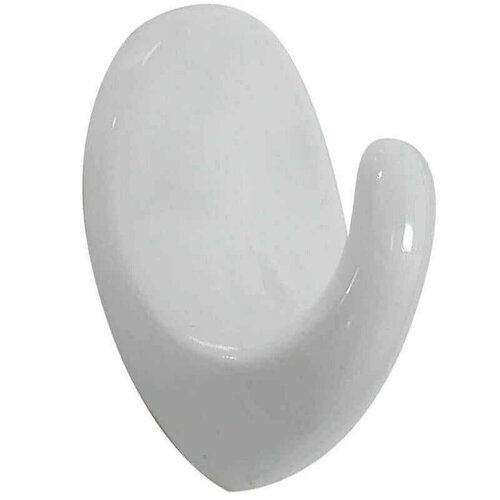
Select Hardware Bonus Bag Adhesive Hooks Oval - 35mm x 28mm White 3 Pack
Pack of 3 white oval adhesive hooks, 35mm x 28mm.
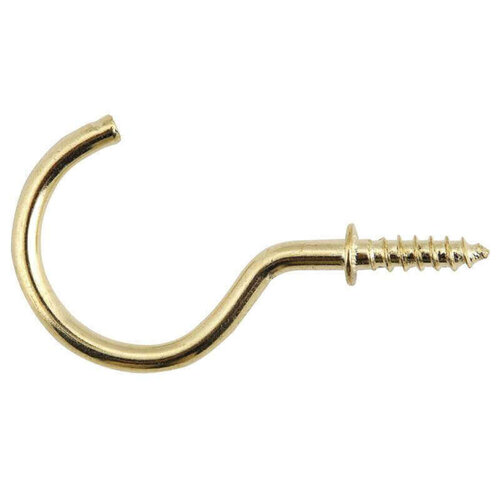
Select Hardware Bonus Bag Cup Hooks Shouldered - 38mm 8 Pack
Pack of 8 shouldered cup hooks, 38mm
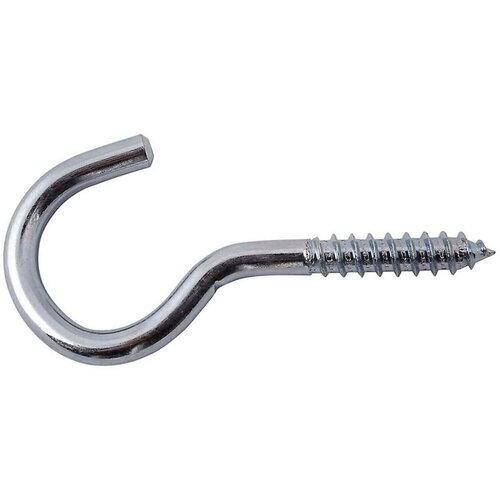
M Hook - 80mm x 12mm 2 Pack
Pack of 2 zinc screw-in screw eyes, 80mm x 12mm
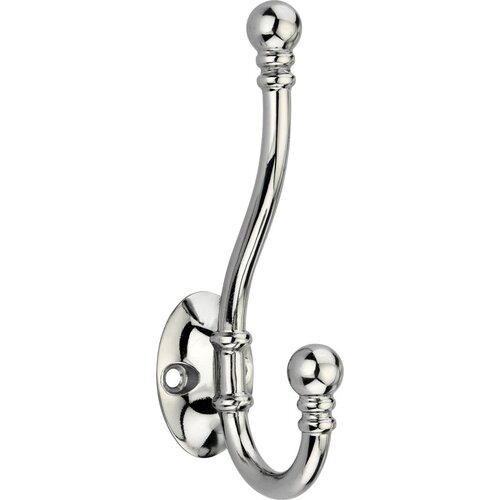
Lockworks Ball End Hat & Coat Hook - Chrome Plated
Chrome-plated ball end hat and coat hook
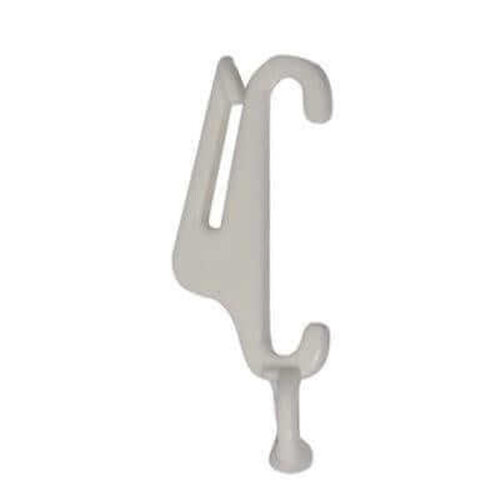
Select Hardware Curtain Glide Hooks Fastrack - White 8 Pack
Pack of 8 white curtain glide hooks for Fastrack systems
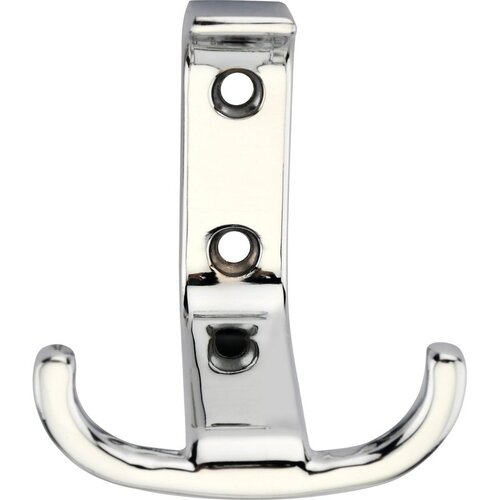
Lockworks Modern Double Hook - Polished Chrome
Polished chrome Lockworks modern double hook with fixings included
For the Trade
Start with the space you’ve got and how the hook will be used. That usually settles the format before finish does. A crowded back-of-house wall needs a different answer to a clear run on timber, and a ceiling point changes the fixing and working load straight away. If it’s for regular handling, go for hooks with a bit more body and a fixing that won’t work loose. For lighter hanging, keep it simpler and save cost. Finish and detail come after that. A neat hook that’s wrong for the job still gets replaced.
Types of Hooks
Coat hooks are the usual pick when you want a simple row for everyday hanging. They keep the fixing straightforward and the layout easy to read.
Wall hooks make more sense when you need a bit more spread or a different fixing pattern on the face of the wall. That gives you more flexibility where the run or spacing matters.
Screw hooks and screw in hooks suit timber and other straightforward fixings because they go in quickly. You do give up some pull-out resistance if the load gets abused.
Cup hooks are the smaller option for lighter jobs and neat runs. They work well where you want a tidy finish, but they are not the one to reach for when the item will get knocked about.
Heavy duty hooks are the call where the load or use is harsher. At that point, check the fixing rather than just the shape.
If you’re comparing the wider Ironmongery range, this is usually where the job narrows down fast.
Selection Factors for Hooks
Finish and fixing matter more than the shape. For exposed jobs, plated or stainless hooks are the ones to reach for. Basic bright finish is usually the first to rust or mark.
If the hook takes regular knocks, choose a thicker section and a proper screw fixing. For lighter internal work, a neater finish can matter more than brute strength.
If you’re matching other ironmongery, check the rest of the scheme first - Outdoor Hardware and Window Furniture are the usual places where finish gets decided.
Finish the Room
Once you’ve picked the hooks, the next call is what they’re going into and what sits around them. Timber and solid backgrounds usually keep the fixing straightforward. Plasterboard or a lined wall needs a bit more thought before you commit.
In back-of-house areas, storage and access matter more than appearance, so check the hook position against shelving, screens or cupboard runs. On a cleaner finish, the hook choice needs to sit with the rest of the ironmongery. A small detail can change the feel of the whole run.
Related searches
Local availability for Hooks











