Protective Wall Plates
Protective wall plates are the pick when you want to stop repeat damage rather than patch it after the fact. The main call is where the abuse is coming from - a door edge, a trolley, a boot, or a tight corner. Flat wall plates suit general scuffing. Kick plates and door protection plate styles suit lower-level impact that keeps coming back. Stainless steel tends to suit hard-wearing areas, brass is more about finish, and lighter wall guards work where you are protecting the surface rather than taking heavy knocks.
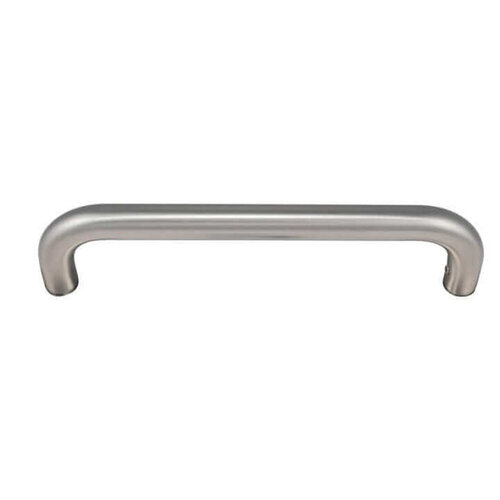
Pull Handle and Finger Plate - 300mm Satin stainless steel
300mm satin stainless steel pull handle and finger plate.
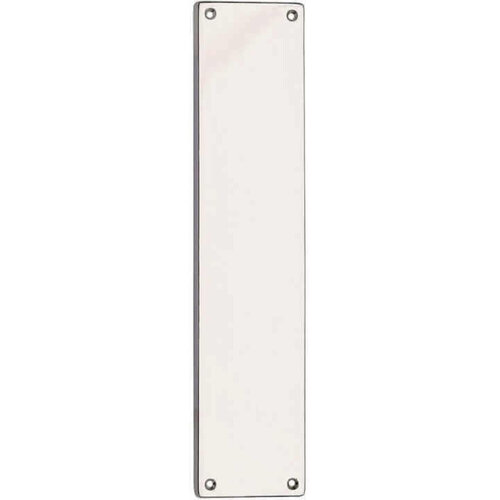
Finger Plate - 305mm x 76mm SAA
Finger plate, 305mm x 76mm
For the Trade
Start with where the damage is happening and how often it gets hit. Light scuffing in a visible spot usually calls for a neater finish. Repeated knocks at low level point you towards kick plates or a door protection plate, because that is where the abuse lands. In a tight layout, the decision is often between a wider plate that covers the contact area and a smaller one that stays out of the way. Size and fixing matter as much as appearance. If the plate is too small, you will be back. Most trades narrow it down by the impact point, the finish the client will accept, and whether you need a discreet wall guard or something that can take harder wear.
Protective Wall Plate Types and Layouts
Start with where the damage is and how much surface you need to cover. A plain protective wall plate suits general scuffing when you want a neat, flat face and the smallest visual footprint.
Use a door protection plate when the door itself is taking the abuse. A wall guard plate gives a bit more coverage when the contact point keeps moving. A wall corner protection plate works where a corner keeps getting clipped and you want to use that awkward space rather than leave it exposed, but it does need a wider footprint than a straight plate.
If you’re working through the rest of the Ironmongery range, layout usually decides the product.
What to Check Before You Buy
Material usually decides it.
Stainless steel wall plates suit harder daily use. They give you a firmer face, but they are heavier to move around than acrylic on many sites.
Aluminium wall plates are lighter, so they are easier when you are fitting a lot of them. The trade-off is feel. They do not have the same substance.
Brass wall plates are usually chosen when the finish matters as much as the protection. They work well where appearance needs to sit with the rest of the ironmongery, but they are not the first pick if the job is mainly about abuse resistance.
If you are matching other ironmongery, check Outdoor Hardware and Window Furniture at the same time. The wrong finish stands out straight away.
Useful Alongside Protective Wall Plates
Once you’ve picked the protective wall plates, the next call is what else is taking the abuse around the opening. If the damage is spreading onto trims or adjacent faces, you may need wall guards or corner protection plates rather than just a single door protection plate.
Where the issue is a low strike point, kick plates usually cover more of the working area and save you fitting two smaller pieces. If the surrounding finish is being renewed as well, sort that at the same time. A patchy repair around fresh plates is what gets noticed first.
Related searches
Local availability for Protective Wall Plates




