Rope & Chain
If you’re pricing rope and chain for a job, start with what’s carrying the load and what’s only there for hanging, guiding or restraint. Chain gives you more abrasion resistance and a firmer feel. Rope is lighter and easier to handle when you don’t need metal throughout. Stainless steel chain is the usual call where corrosion is a concern. Nylon rope or polypropylene rope suits jobs where weight and flexibility matter more than a hard-wearing metal finish.
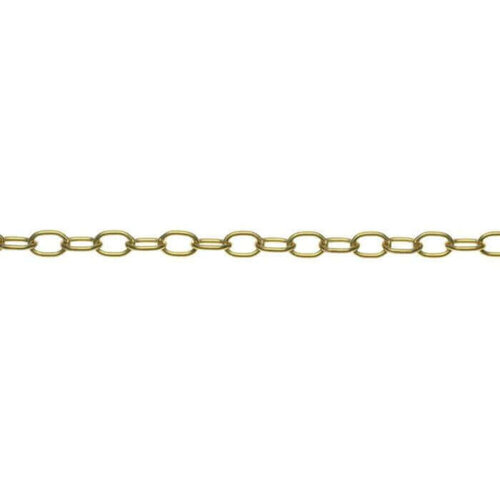
Eliza Tinsley Chain Brazed Oval Reeled Brass - 1.7mm x 11mm per metre
Decorative brass oval chain, 1.7mm wire, 11mm links, 20kg max
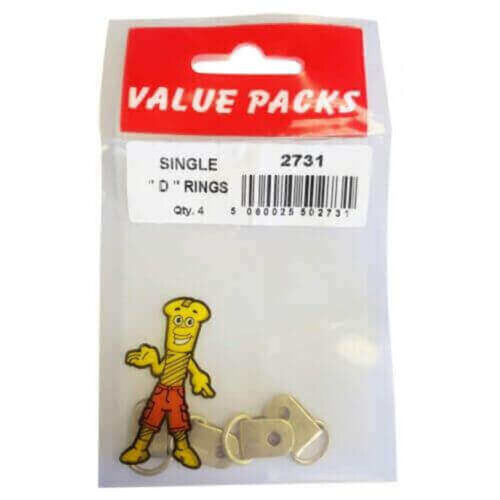
Fast-PAK Value Pack D Rings Single - 4 Pack Brass
Pack of 4 single brass D rings
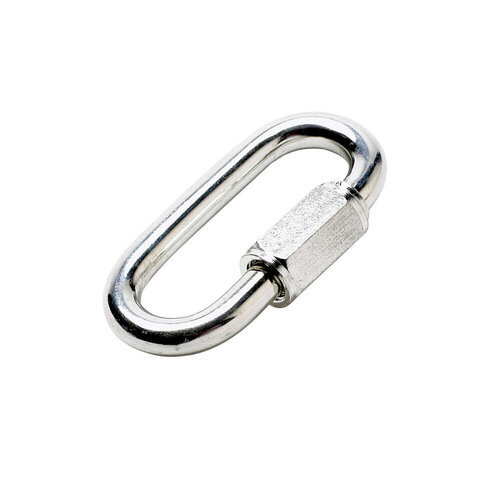
Eliza Tinsley Steel Chain Link
Steel chain link for added home security
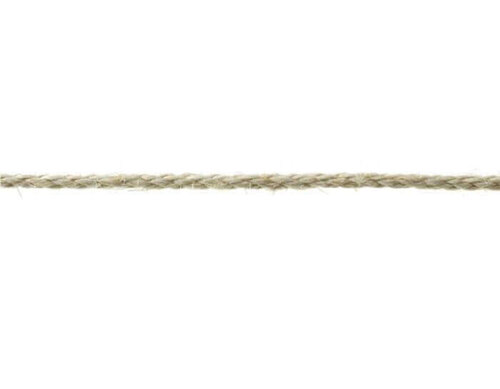
Eliza Tinsley 3 Strand Sisal Rope - 8mm
Natural sisal rope for garden and general use, 8mm diameter, strong and sunlight…
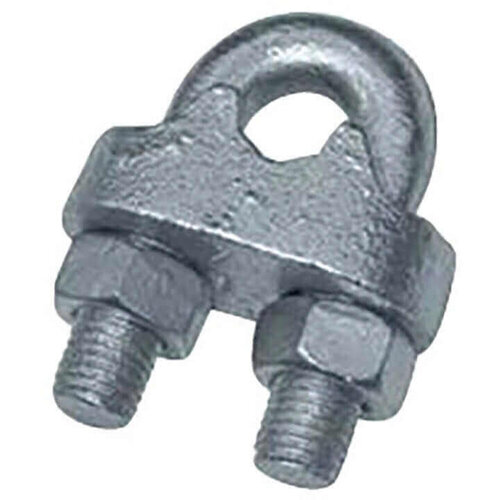
Wire Rope Grips - 6mm Bright Zinc Plated 4 Pack
Wire rope grips, 6mm, bright zinc plated, pack of 4
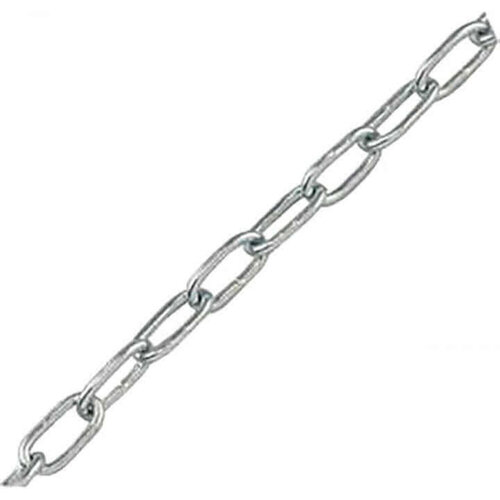
Welded Link Chain BZP - 5mm x 35mm x 2m
2-metre bright zinc plated welded link chain, 5 mm links
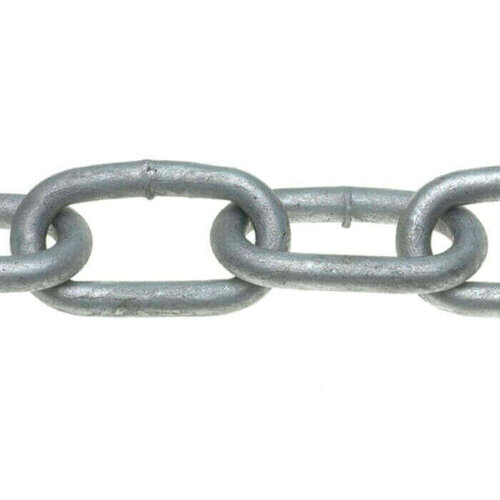
Eliza Tinsley Chain Long Link Light Medium Duty Galvanized - 6mm x 33mm per m
Galvanised long link chain per metre, 6mm wire, 33mm link, 140kg max load.
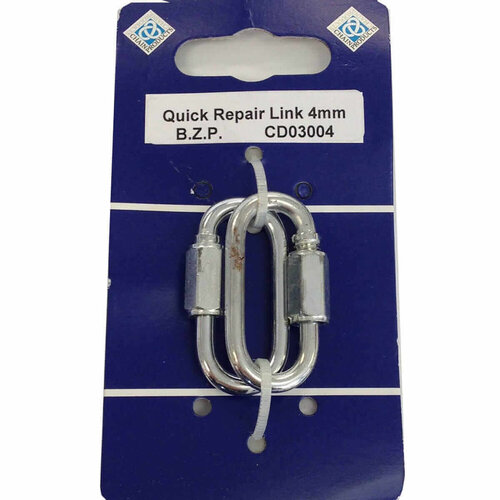
Select Hardware Quick Repair Link - 4mm 1 Pack
4mm quick repair link for repairing links and swing chains
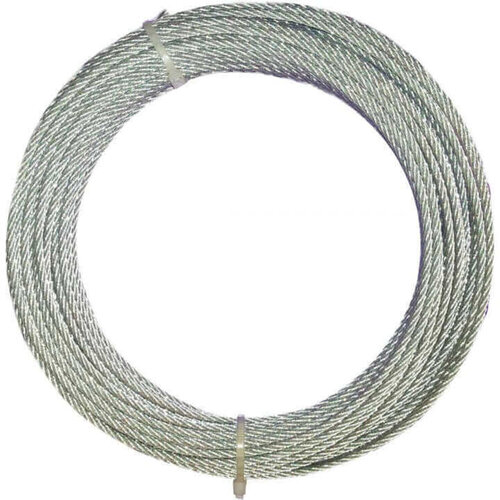
Wire Rope - 2mm x 30m Zinc Plated
Zinc plated wire rope, 2mm diameter, 30m length
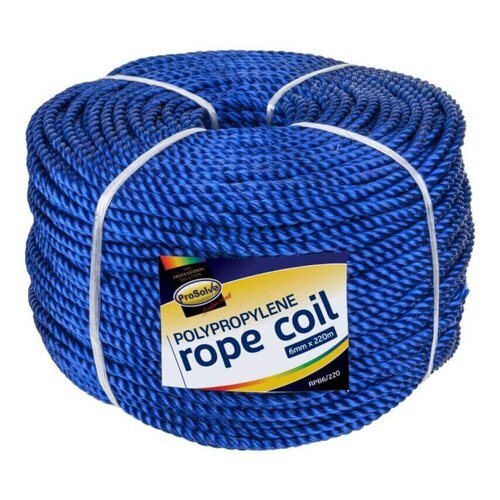
ProSolve Polypropylene Rope - 220m x 6mm Blue
220m x 6mm blue polypropylene three-strand twisted rope, floats.
For the Trade
Start with what the job needs to do. That usually settles the spec before you get into size or finish. For rope and chain, the first split is between something with a bit of give for hanging, guiding or restraining, and something that needs a firmer, more durable feel. Polypropylene rope is often the economical pick when weight and handling matter more than a premium finish. Stainless steel chain is the one people reach for when the environment is harsher and they want less hassle later. Most call-backs come from the wrong line being chosen for the load or the exposure, not from the rope and chain itself.
Rope & Chain Types and Layouts
Rope and chain choice starts with how much give you want in the run. Rope is easier to handle and works well for lighter hanging and general tying. Chain stays firmer under load, so it suits jobs where abrasion, wear, or a more rigid line matters.
A trade rope and chain setup sits between the two when you want rope handling with extra durability in the same run. Heavy duty rope and chain is the pick when the job will get knocked about, but you give up some flexibility and ease of handling. If you’re working through the wider Ironmongery range, that usually narrows it to a simple rope, a chain, or a mixed layout.
What to Check Before You Buy
Material usually settles it. Stainless steel chain is the pick when you want a firmer face and less wear from daily use. The trade-off is weight when you’re handling it on site.
Steel chain and mild steel chain sit in the same bracket. They’re solid and dependable, but they carry more weight than lighter alternatives. If the job is going near exposed fittings, Outdoor Hardware is the next check. If you’re matching existing window gear, Window Furniture usually needs sorting at the same time. Material choice changes both how it handles in your hands and how it feels once it’s in use, so that is the bit to get right first.
Useful Alongside Rope & Chain
Once you’ve picked the rope and chain, the next call is what it fixes to and what sits around it.
If it’s part of an external run, outdoor hardware is often the bit that changes the spec. Exposed fixings and moving contact show up weak points fast.
If the job sits by a window, window furniture can matter just as much. The chain or rope length, plus the fixing point, needs to suit the opening without fouling the hardware. Get that wrong and you’re back to trimming, swapping or reworking the detail.
Related searches
Local availability for Rope & Chain











