Wheels & Castors
When you’re choosing wheels and castors, start with load, floor finish and how the kit needs to move. That narrows it down quickly. Swivel castors suit tight turns, fixed castors keep a run straighter, and braked castors stop movement creeping in. Rubber, nylon and polyurethane all behave differently on the floor, so the wrong wheel is what usually brings noise, marking or early wear.
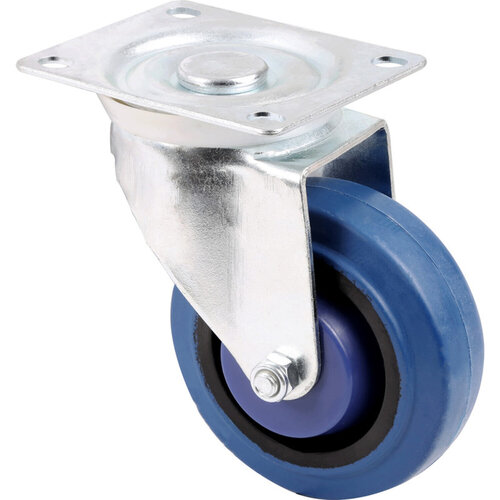
General Duty Electric Blue Castor - Swivel 125mm / 160kg
Electric blue swivel castor, 125mm rubber wheel, 160kg capacity
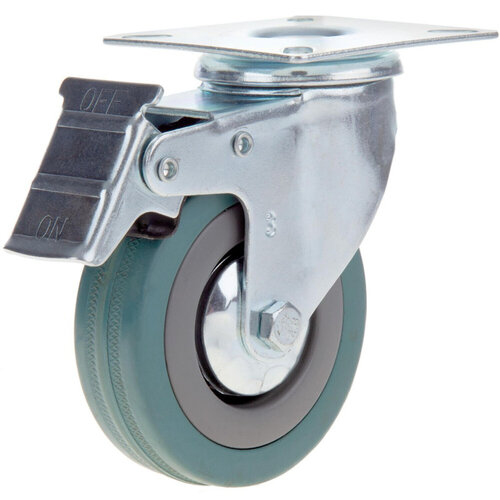
Lockworks Swivel Plate Castor with Brake - Rubber 100mm 65kg
Rubber swivel castor with brake, 100mm wheel, 65kg load capacity
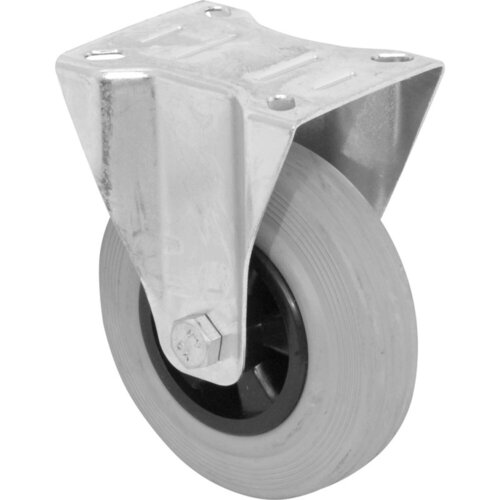
Fixed Wheel Castor - 100mm 70kg
100mm grey non-marking fixed rubber castor, 70kg
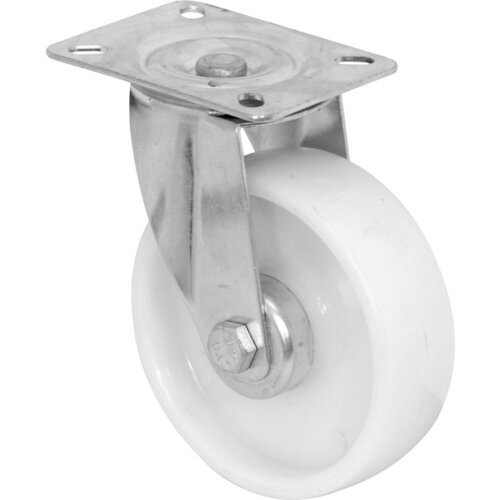
Swivel Castor - 100mm 125kg
100mm white polypropylene swivel castor with solid brass screw fixing
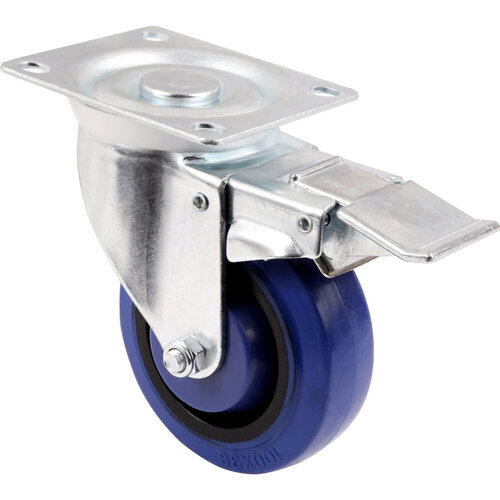
General Duty Electric Blue Castor - Swivel + Brake 100mm / 125kg
Swivel castor with brake, 100 millimetres blue rubber wheel, 125 kg capacity
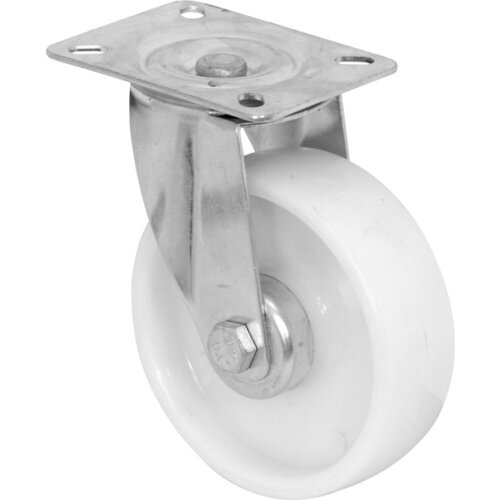
Swivel Castor - 125mm 160kg
125mm white polypropylene swivel castor with brass single screw fixing, max load…
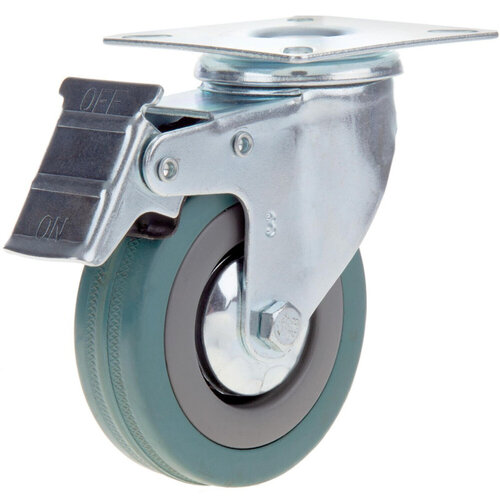
Lockworks Swivel Plate Castor with Brake - Rubber 75mm 50kg
75mm rubber swivel castor with foot brake, 50kg load capacity
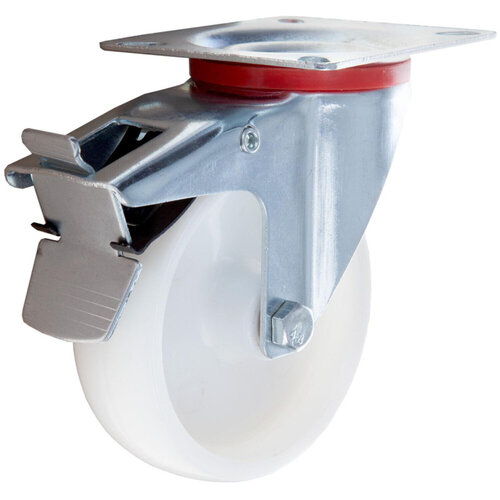
Lockworks Swivel Plate Castor with Brake - Nylon 100mm 90kg
Nylon swivel plate castor, 100mm, 90kg, foot brake.
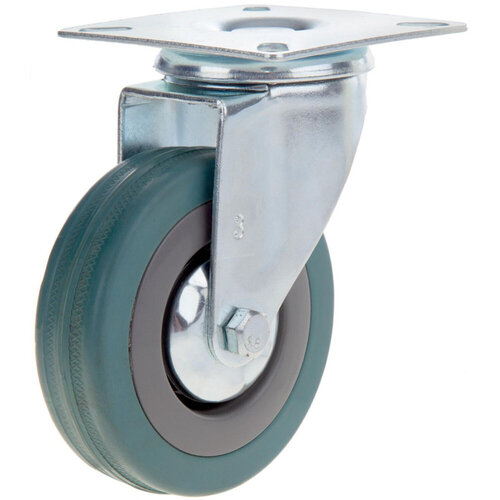
Lockworks Swivel Plate Castor - Rubber 75mm 50kg
Swivel plate castor, 75mm rubber wheel, 50kg load capacity
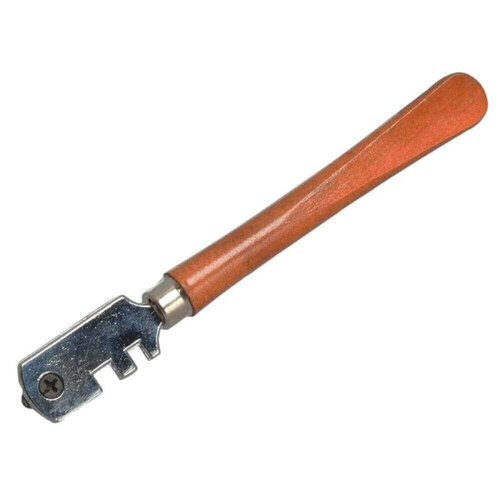
Faithfull Six Wheel Glasscutter Tungsten Carbide Wood Handle
Six wheel glasscutter with tungsten carbide wheels and wooden handle
For the Trade
First decide how the kit needs to move, then check the fixing pattern and the space you’ve got under it. A lot of call-backs come from picking the right load rating but the wrong layout, so the wheel fits the job and the frame doesn’t. If it has to turn in a tight area, you’ll usually want castors rather than a fixed wheel. If it only tracks in one line, fixed castors keep it steadier. Braked castors make sense where the unit must stay put between moves, but they add a bit more height and hardware to the job.
Types of Wheels & Castors
Swivel castors suit kit that needs to turn in tight spaces and change direction often. They make movement easier, but they are not the right choice if you need a straight run.
Fixed castors keep trolleys and heavier frames tracking properly. You lose manoeuvrability, so they work best where control matters more than tight turning.
Braked castors are the pick when the load needs to stay put between moves. The trade-off is another part to check and maintain if the job takes a knock. If you’re matching existing hardware, Ironmongery is where the rest of the fixing and fitting choices sit.
Selection Factors for Wheels & Castors
Material is usually where you narrow wheels and castors down quickest. Rubber castors suit rougher floors when you want a little more give and less noise. They are not the pick for heavy loads or kit that sits in one place for long periods. They can flatten or mark sooner than harder compounds.
Nylon and polyurethane usually roll harder and wear better. That makes them a better fit for busier kit and heavier duty caster wheels. You do give up some of that softer ride. If you are replacing tired units, check the fixing and wheel size against the old set before you order. For jobs that sit alongside Outdoor Hardware or Window Furniture, material choice matters more because handling and surface contact change how the fitting behaves day to day.
Finish the Room
Once you’ve picked the wheels and castors, the next call is usually what the kit sits in and what it runs against. If it’s a trolley, cabinet or mobile frame, check the surrounding fixings and any replacement castors at the same time. A worn plate or loose fitting is what brings the job back.
Don’t stop at the wheel set. Check the floor finish and edge protection too. A new set can still run noisy or wear fast if the unit is dragging against the wrong surface. In a larger fit-out, related ironmongery such as protective wall plates or window furniture can matter more than the wheel itself. They deal with the damage that causes the call-back.
Related searches
Local availability for Wheels & Castors








