Window Furniture
Window furniture usually comes down to the window type, the security you need, and how much projection you can live with. A casement job often needs different window fittings to a sash, and if the window is opened often, the handle or stay needs to work properly in use, not just look right. Window restrictors are often the last thing considered, until the spec or the client calls for controlled opening, and then the choice changes quickly.
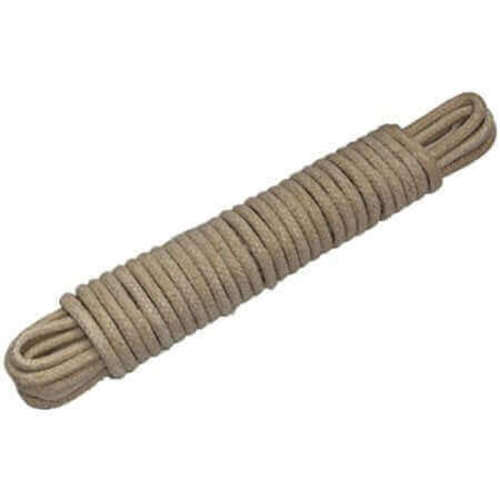
Sash Cord Waxed - No 6 x 10m
Waxed sash cord, No 6, 10 metres long
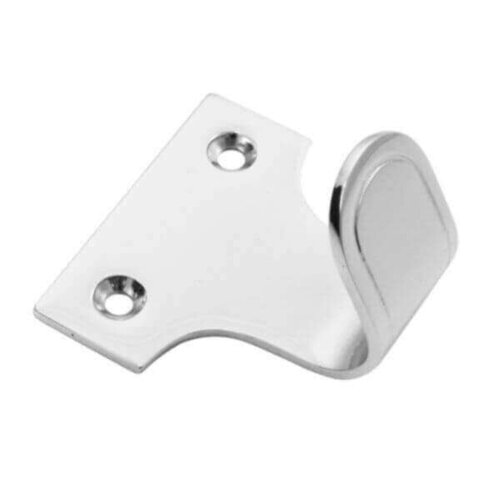
Eclipse Sash Lift - Chrome Plated
Chrome plated Eclipse sash lift with fixing screws
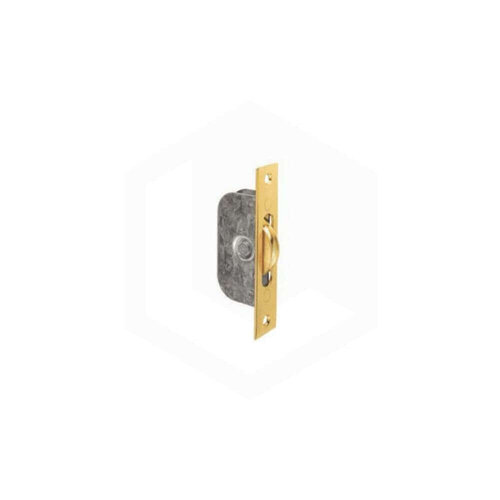
Sash Pulley with Brass Roller - Polished Chrome
Sash pulley with polished chrome finish and brass roller for traditional sash wi…
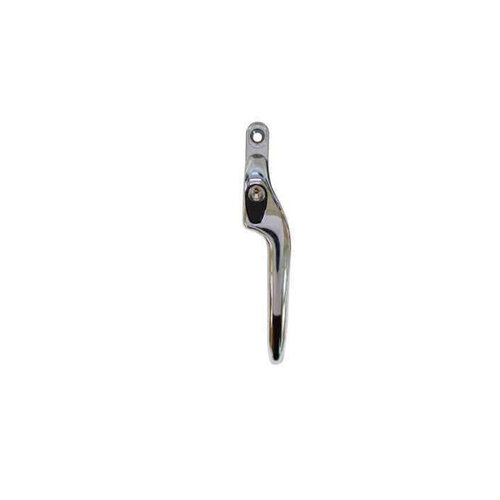
Yale Offset Right UPVC Window Handle - Chrome
Yale offset right UPVC window handle in chrome finish
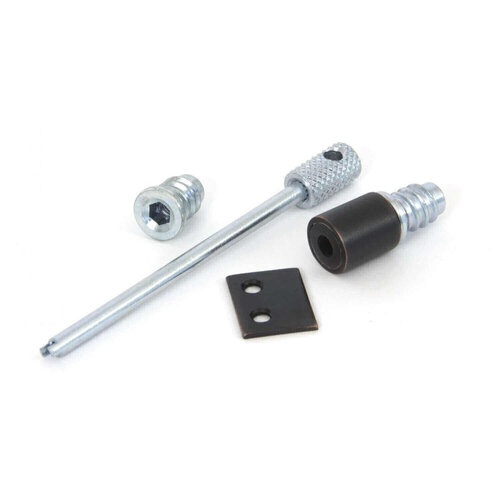
From The Anvil 83651 Secure Sash Stop - 4 Pack Beeswax
Secure sash stop set of 4, beeswax finish, restricts window opening
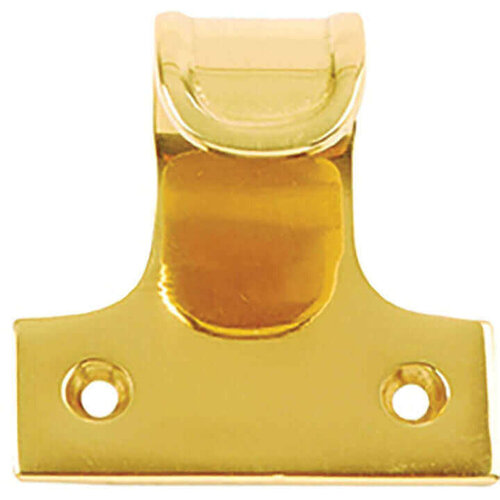
Sash Window Lift - Polished brass
Polished brass sash window lift
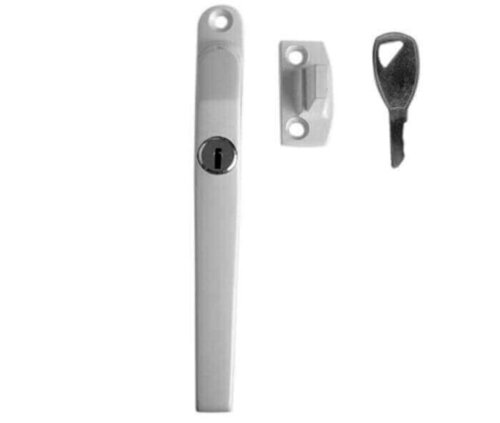
Eclipse Locking Casement Fastener - White
White locking casement fastener for window security, from Eclipse.
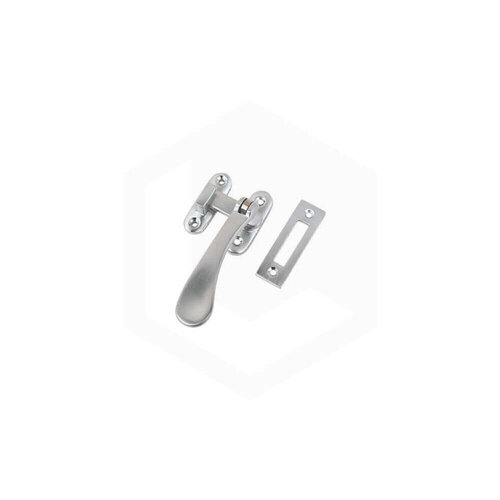
Victorian Casement Wedge Fastener - Satin Chrome
Victorian-style wedge fastener for casement windows in satin chrome
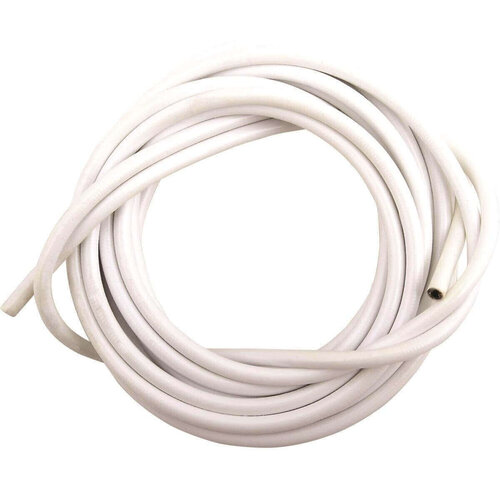
Select Hardware Curtain Wire
Curtain wire for hanging light curtains or nets
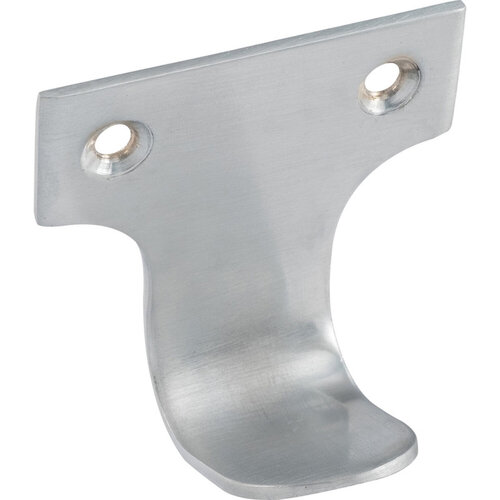
Sash Lift - Satin Chrome
Window sash lift in satin chrome finish
For the Trade
Start with the space you’ve got and how the window needs to work, then the rest follows. If clearance is tight, bulky window handles or projecting window stays can be the wrong call, even if they look fine on paper. Where security or child safety is part of the brief, window restrictors usually come before decorative window fittings, because they change what the window can actually do. On older jobs, the usual snag is pairing a neat finish with hardware that’s too heavy or too proud for the frame.
Popular Window Furniture Formats
The first split is usually between window handles, window stays and window fasteners. Handles suit jobs where you want a cleaner operating point and a more modern look. Stays work when the opening light needs to hold at a set position.
Fasteners and catches are the simpler fix when you just need the sash or casement secured shut without extra projection. In Ironmongery, you’ll see the wider range, but on the job the real question is whether the window needs to open, lock or just stay shut. Handles and restrictors add control, though they usually mean more parts and a bit more to match up.
Key Differences When Choosing
Choose by how the window is used, how much projection you can allow, and whether the spec needs extra restraint. A neat handle is the cleaner answer where you want a simple operating point. Window stays suit openings that need to hold at a set position without drifting.
For a firmer shut, window catches and fasteners are the straightforward call. If security or child restraint is part of the brief, window restrictors change the choice straight away. On exposed jobs, check the finish against the rest of the ironmongery. Outdoor Hardware is the next stop when corrosion resistance matters. If the fixing point needs support or spacing as well, Brackets often go in the same order.
Next Decisions After Choosing
Once you’ve picked the main window furniture, the next call is what sits around it and what needs to match on the same job. If you’re finishing a run of openings, keep window fittings and window handles consistent so you don’t end up with mixed projection, different fixing centres, or a patchwork of finishes.
On older work, window stays and window catches often get changed together because one worn part usually means the other’s not far behind. Where the spec calls for extra control, window restrictors change the brief, so sort them before you close out the order.
Related searches
Local availability for Window Furniture










