Ironmongery
When you’re choosing ironmongery, start with finish and duty, then decide if it’s for doors, windows, or general fixing work. Lighter decorative pieces suit visible fit-outs, while heavier trade ironmongery is the usual call where the item will take regular use or a bit of abuse. The common mistake is buying on appearance alone and ending up with the wrong gauge, fixing pattern, or corrosion resistance for the job.
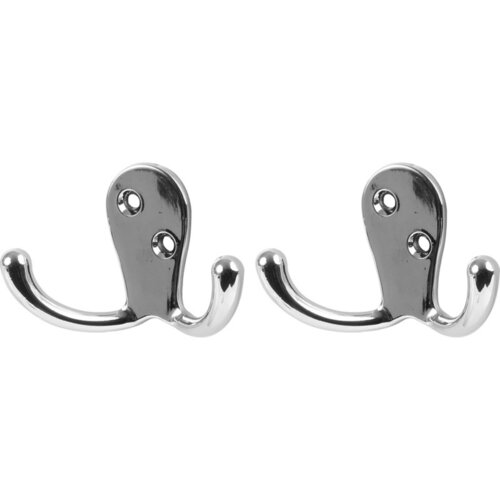
Robe Hook - Double Chrome 2 Pack
Polished chrome double coat hook, pack of 2 with fixings
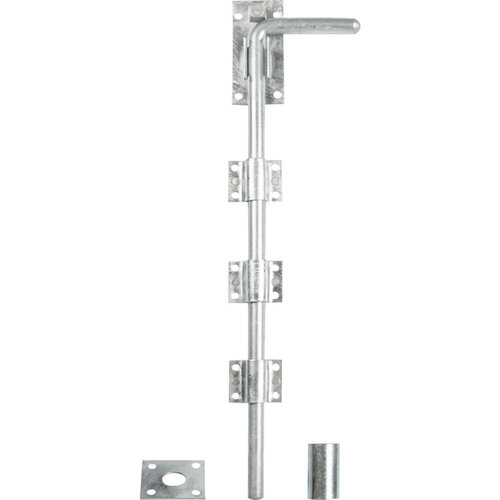
Gatemate Garage Door Drop Bolt - 450mm Galvanised
Galvanised 450mm drop bolt to secure garage doors or garden gates to the ground.
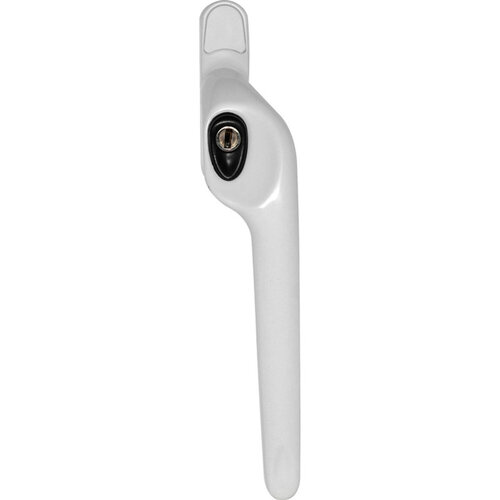
Era PVCU Maxim Locking Offset Window Handle - Right Hand White
Right-hand white window handle with locking push-button and 40mm spindle
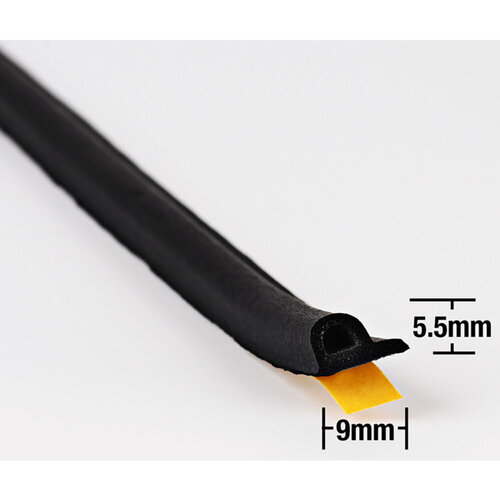
Stormguard EPDM Weatherstrip P Profile - Black 15m
Self-adhesive black EPDM P-profile weatherstrip in 15m length, seals 3-5mm gaps.
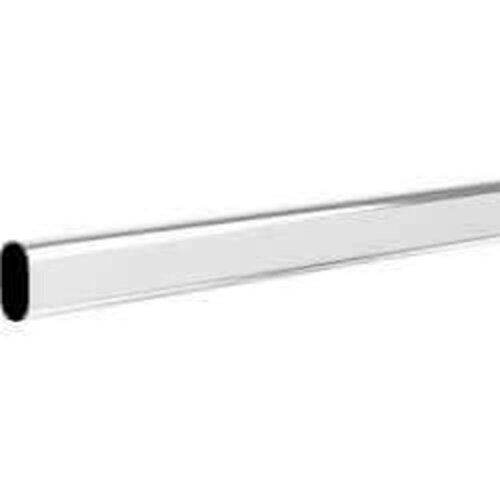
Chrome Oval Wardrobe Rail - 1219mm
1219mm polished chrome steel oval wardrobe rail, 15mm x 30mm
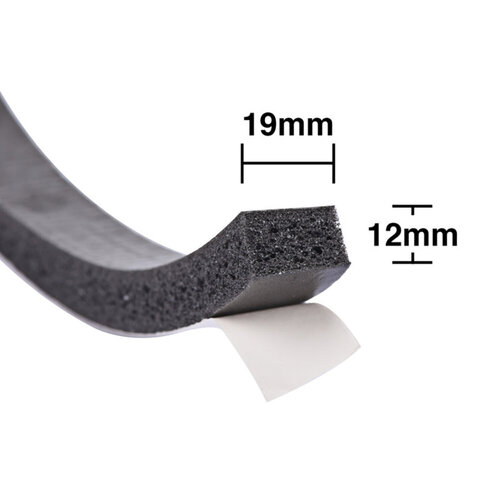
Stormguard Jumbo Rubber Foam Weatherstrip - Black 6m
Black 19x12mm self-adhesive foam weatherstrip, 18m total length
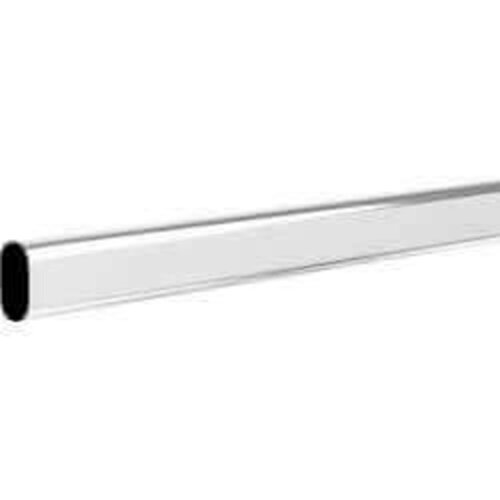
Chrome Oval Wardrobe Rail - 1829mm
Polished chrome steel oval wardrobe rail, 1829mm length
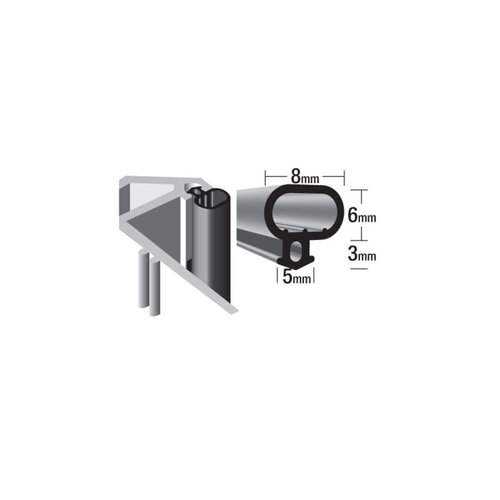
Stormguard UPVC Universal Seal - Black 20m
Black uPVC universal weather seal, 20m length
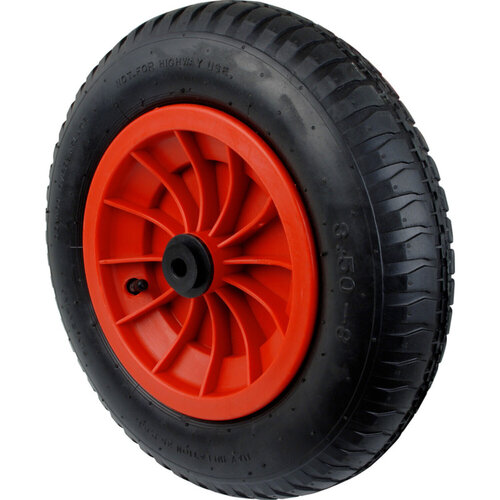
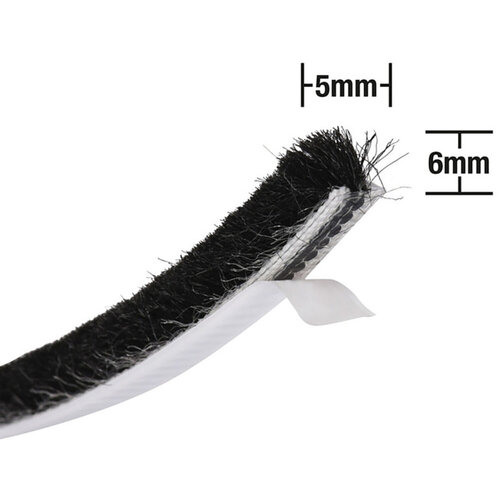
Stormguard Brush Pile - Black 10m
Self-adhesive 6mm brush pile draught excluder, black, 10m
For the Trade
Start with the space you’ve got and how the item will be used. That usually rules out half the options before you look at finish. In Security & Ironmongery, the job often comes down to fit, duty and how much handling it’ll take, not just what looks right on the day. If it’s going into a tight layout or a busy opening, you want something that won’t foul adjacent parts or need reworking. Decorative ironmongery can make sense on lighter use jobs. Trade ironmongery is the safer call where wear and repeat use will show up quickly.
Brackets
Load and fixing come first with brackets. Finish sits behind that. A light shelf or sign bracket needs different ironmongery from one carrying a gate, pipework, or a heavy timber run, and that is where jobs go wrong.
Go too small and you will be back to it. Go too heavy and you have paid for metal you did not need. If you are matching visible ironmongery on a job, finish still matters, but strength and hole pattern usually decide the buy. For the narrower range, Brackets is the one to move to.
Draught Excluders
Most of the time, you choose ironmongery by where it’s going and how much wear it needs to take, not by the name on the box. On a door or window job, the real question is whether you need something plain and functional, or a finish that sits cleanly with the rest of the ironmongery.
If you only need a tighter seal, Draught Excluders are the narrower buy here. They solve a different job from decorative pieces, so you are not paying for hardware you will not use. Fit, finish and how much handling the item will see usually settle the choice.
Hooks
Hooks are the bit you pick when you need a simple hanging point and a quick spec, not a fixing that’s doing a structural job. The main call is usually between a plain utility hook and a more decorative one.
Plain hooks are easier to justify on back-of-house or workshop jobs. A neater finish suits visible areas where the ironmongery needs to look deliberate as well as hold.
Check the load and the fixing method before you get drawn into finish. A light hook can still be the wrong buy if it’s taking repeated use.
If you’re building out a wider set of fittings, Hooks sit alongside the rest of the ironmongery, but they’re the one you choose when hanging point and appearance matter more than anything else.
Outdoor Hardware
Outdoor hardware is the bit you pick when the job lives outside and the weather will show up a poor choice fast. You’re usually weighing up corrosion resistance, how exposed the fixing is, and whether it needs to keep working as well as it looks.
Decorative ironmongery can suit visible gates, porches, and garden features. On exposed jobs, trade ironmongery with a tougher finish and fewer details to hold water is the safer call. If it’s going near salt air or constant rain, that matters more than the sample board.
Protective Wall Plates
Protective wall plates are what you reach for when the wall is taking the knocks, not the door or the fitting itself. The main question is how much abuse the area sees and how neat you need the finish to be.
A plain plate is usually enough where you just need to stop scuffs and impact marks. Go heavier or more visible where traffic is constant and the damage keeps coming back.
The issue is rarely the plate itself. It is picking one that covers the wear without looking overbuilt for the job.
Rope & Chain
Rope and chain comes down to what you’re trying to control, not just what looks right on the shelf. If you need a simple barrier, a hanging run, or a way to mark off access, you’ll pick differently from a job that needs a neater finish or a heavier restraint.
Chain gives you more rigidity and usually takes knocks better. Rope is lighter, easier to handle, and often the better call where you want less visual weight.
The usual mistake is underestimating how much movement the fixing points will see. That decides whether you need a lighter decorative run or something more substantial in trade ironmongery.
What to Check Before You Buy
Start with where it’s going and how hard it’ll be worked. For visible joinery, Door Furniture usually comes down to finish and how it feels in use.
Heavier trade ironmongery makes more sense where the item will be used all day. You get better wear resistance, but the look is usually plainer.
On window jobs, the choice is often about matching the existing metalwork and getting the right fixing pattern. A neat-looking piece that doesn’t sit right gets rejected fast.
Decorative ironmongery works where appearance matters more than abuse. You gain finish, but you give up some durability.
Useful Alongside Ironmongery
Once the main ironmongery is picked, the next call is usually the surrounding finish. You’re looking at what needs protecting, what needs covering, and what has to tie in with the rest of the job.
If the area is taking knocks, wall plates help cut down call-backs. If it’s a door or screen that needs the last bit of control, draught excluders do more than another decorative piece.
Hooks and brackets come in when you’re finishing storage or fixing points. They need to suit the load and the look. That usually settles the job before you start fitting.
Related searches
Local availability for Ironmongery