Door Locks & Bolts
When you’re choosing door locks and bolts, start with what the door needs to do. A main entrance needs a different setup to an internal or secondary door. Mortice locks, night latches and rim locks suit different arrangements, while bolts add extra holding without changing the main lock. Buying on name alone is where mistakes start. A front door lock that works on one door can be wrong on another because of door thickness, edge detail or the level of security you need.
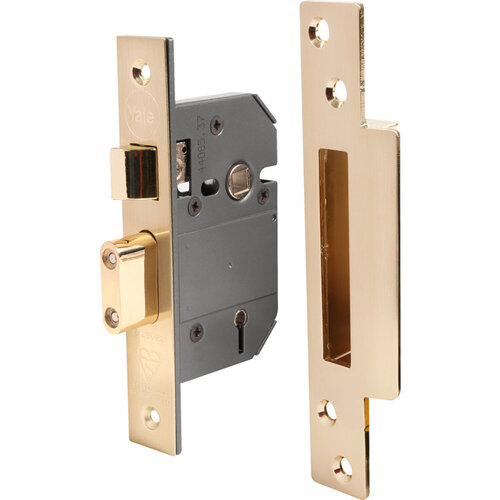
Yale BS 5 Lever Mortice Sashlock - 64mm Polished Brass
High security BS 5 lever mortice sashlock, 64mm, polished brass
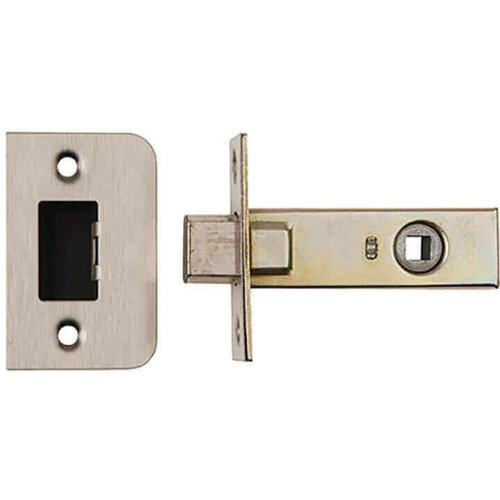
Dale Hardware Bathroom Mortice Deadbolt - 65mm Satin Stainless Steel
65mm satin stainless steel bathroom mortice deadbolt
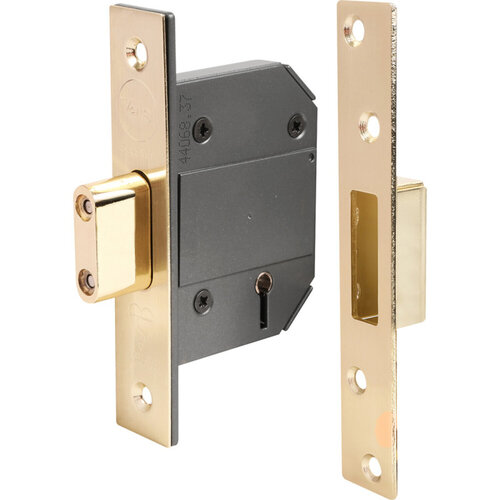
Yale BS 5 Lever Mortice Deadlock - 76mm Polished Brass
Yale BS 5 lever mortice deadlock, 76mm polished brass, kitemarked BS 3621
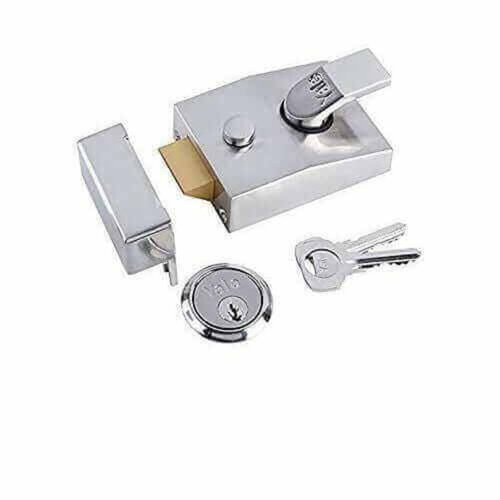
Yale Deadlock Nightlatch - 60mm Chrome
60mm chrome deadlock nightlatch with anti-bump cylinder

Carlisle Brass Necked Barrel Bolt - 76mm Polished Chrome
76mm brass barrel bolt with polished chrome finish.
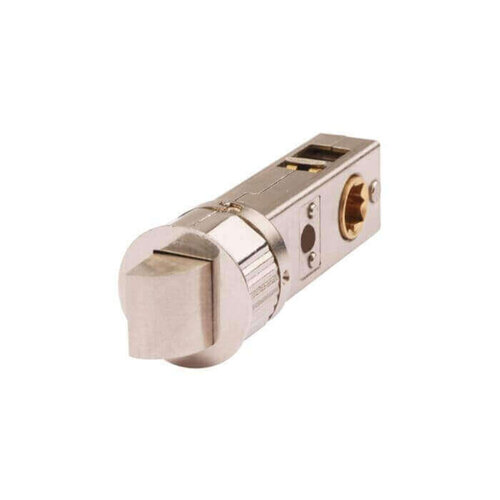
Jigtech CE Smartlatch Backset Passage Latch - 57mm Polished Chrome
57mm backset passage latch, fire-rated for FD60 timber doors, polished chrome
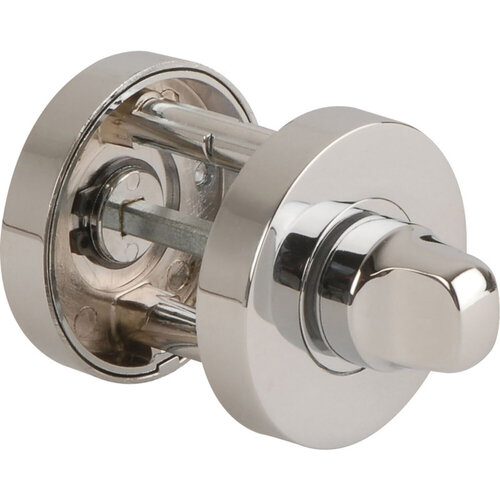
Jigtech Round Turn & Release - Polished
Polished chrome thumbturn lock for interior doors, suits 35-44mm thickness
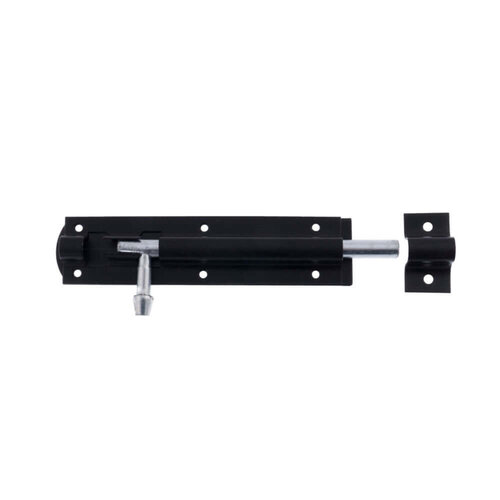
Eclipse Straight Tower Bolt - 152mm (6") Black
152mm straight tower bolt in black for doors and gates
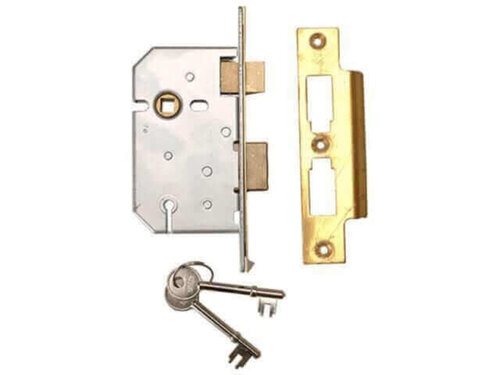
Union 3 Lever Mortice Sashlock - 77.5mm Satin Chrome
Union 3 lever mortice sashlock with satin chrome finish
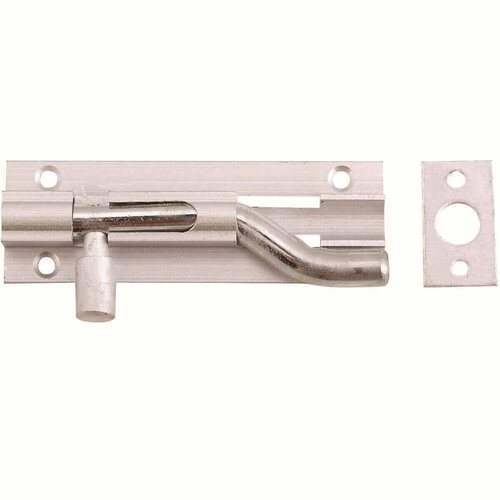
Select Hardware Door Bolt Necked - 75mm Aluminium
Necked aluminium door bolt for added security, 75mm long
For the Trade
Start with the space you’ve got and how the door gets used, then the rest falls into place. If there’s room for a mortice lock, it usually gives a cleaner result and a firmer feel. Where the door needs a surface-mounted setup, rim locks and night latches are the usual fit, especially when time on site is tight. Add a bolt only when you need extra holding or a second fixing point. A bolt on its own will not replace the right main lock. Finish and furniture come after fit and use. That is where most wrong buys start.
Door Locks & Bolt Options Compared
For door locks and bolts, the first call is whether you need a full lockset or extra security on top. Mortice locks suit doors where you want a neater, more permanent fit. Rim locks and night latches work better with a surface-mounted setup, so you avoid cutting into the door as much.
Door bolts and door security bolts are the simpler add-on when the main lock already handles day-to-day use. They do not replace a proper lock on their own. If you are matching the rest of the job up, the Security range is the wider place to check.
Choosing Materials and Size
The job usually comes down to how much of the door you want to change and how much security you need from the fitting. A mortice setup gives you a cleaner, more permanent result. Surface-fitted options are quicker when the door or frame will not suit cutting in.
Add a bolt where you need extra hold, not as a substitute for the main lock. On a front door lock, trades usually lean towards a deadlock or a thumb turn arrangement if access and exit matter. On a back door lock, a simpler layout is often enough.
If you are also sorting Post Boxes or Vehicle & Outdoor Security, keep the spec consistent so you are not mixing levels of protection across the job.
Completing the Setup
Once you’ve picked the main lock, the next call is what the door needs around it. Some jobs only need a simple bolt for extra hold. Others need a night latch or rim lock where the door gets hard use and you want the latch doing more of the work.
If the door already has a decent lock, don’t over-spec the rest of it. You end up with parts that look busy but do little. For a front door lock, check whether you need keyed access only or a thumb turn for quicker exit. For a back door lock, a simpler layout is often enough if the door is not taking the same punishment.
Related searches
Local availability for Door Locks & Bolts











