Euro Cylinder Locks
Euro cylinder locks come down to three checks at the counter: size, security level, and how the door is used. A double euro cylinder suits keyed access both sides, while a thumb turn version keeps internal exit quick. Anti-snap options are usually the call on exposed doors, but they can narrow your choice on price and finish. Brass, nickel and chrome finishes mainly help with matching the ironmongery, though the wrong profile or length is what causes most call-backs.
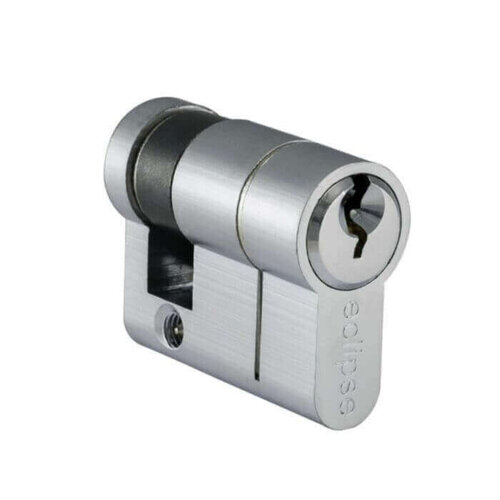
Eclipse Euro Cylinder 6 Pin Single Key - 40mm Satin Chrome Plated
Satin chrome euro cylinder, 40mm, 6-pin anti-bump and anti-snap security
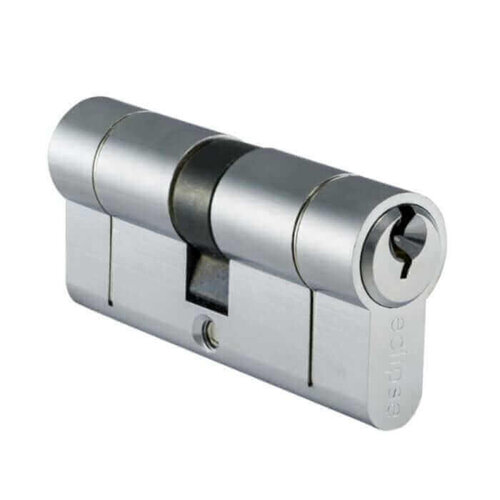
Eclipse Euro Cylinder 6 Pin Double Key - 80mm Satin Chrome Plated
80mm satin chrome double key euro cylinder, 6 pin security
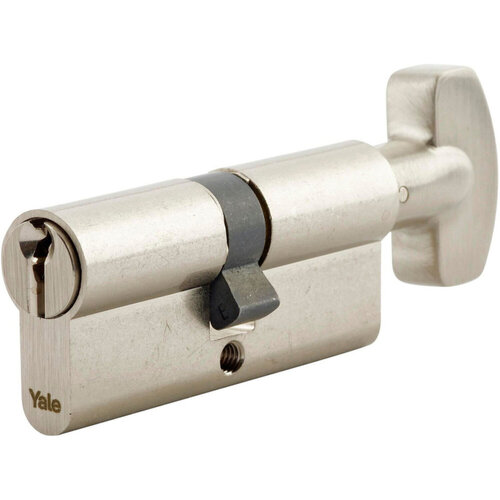
Yale 6 Pin Euro Thumbturn Cylinder - 35-35mm Nickel
6-pin thumbturn euro cylinder 35-35mm satin nickel, fire rated FD30/60
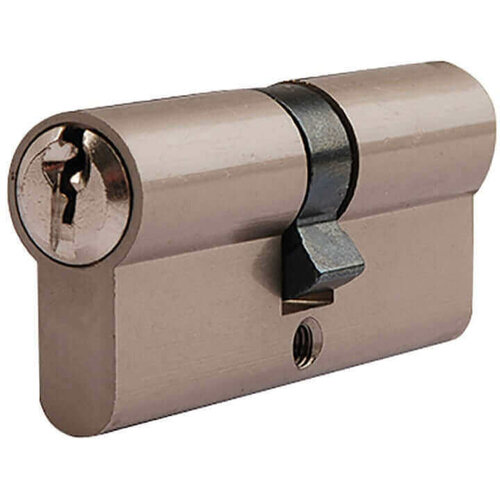
Dale Hardware Euro Cylinder Double - 35/10/35 Nickel Plated
Double euro cylinder lock, nickel plated, 35/10/35
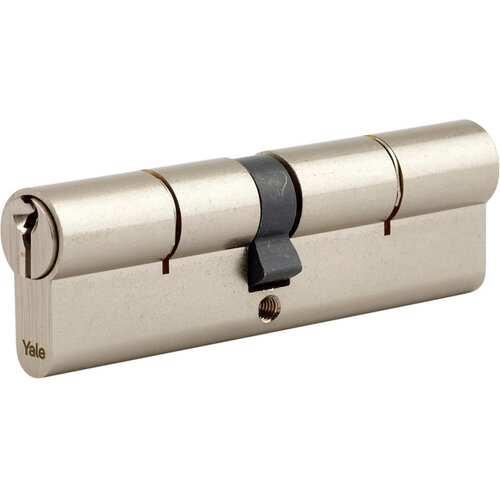
Yale 6 Pin Euro Double Cylinder - 45-50mm Nickel
6-pin euro double cylinder, 45-50mm, nickel satin finish
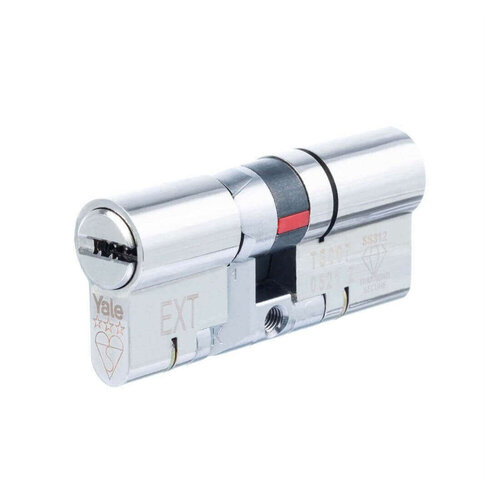
Yale Platinum 3Star - 40/45 85mm Nickel
Yale Platinum 3 Star 85mm Nickel Euro Double Cylinder
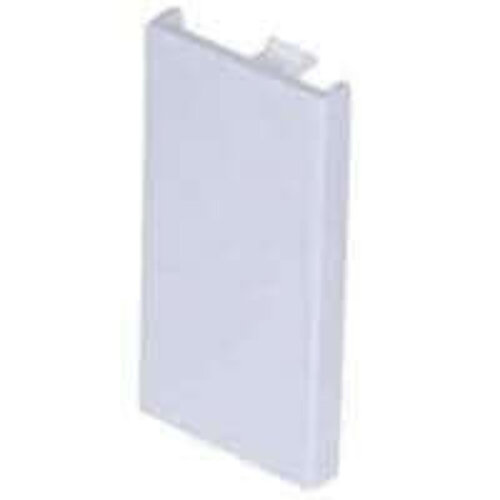
Euro Blank - 1/4"
Connectix Euro Blank, 50mm height, 1/4 inch
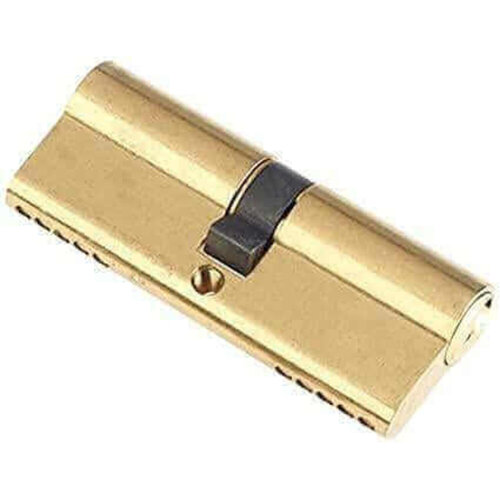
Yale Essentials Euro Cylinder - 30-50mm Brass
Yale replacement euro cylinder, 35/50mm, brass, with 3 keys
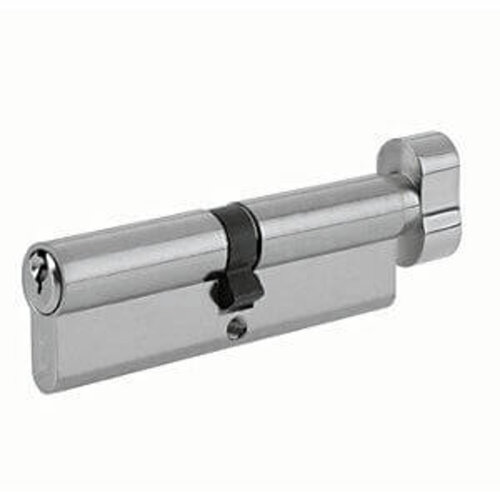
Yale Euro Turn Cylinder 6 Pin - 70mm 30-10-30 Satin
Yale 6 pin euro turn cylinder, 70mm satin finish
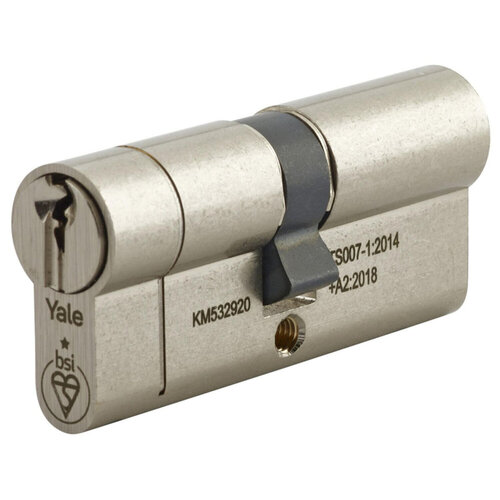
Yale 1 Star Euro Double Cylinder - 45-55mm Nickel
TS007 1 Star security euro double cylinder with anti-snap, anti-pick, anti-drill…
For the Trade
Start with the door and the risk, then the rest usually falls into place. With euro cylinder locks, you’re mainly deciding on length, keying and the level of attack resistance the job calls for. A cylinder that sits flush saves grief later. One that stands proud is the one that gets picked up on. For a straight replacement, the euro cylinder lock needs to match the existing setup. If you’re reducing keys on site, a keyed alike set can make sense. Where the spec is tighter, an anti snap euro cylinder is usually the first ask.
Euro Cylinder Lock Types and Layouts
The main choice with euro cylinder locks is the layout. A double euro cylinder suits doors that need a key both sides. A thumb turn version works when you want free exit from inside.
A single euro cylinder is the half-length option for doors that only need key access on one face. It can catch people out if they order from the wrong side of the door.
An anti snap euro cylinder is the one to reach for on exposed external doors. The trade-off is usually price, and sometimes keying options.
If you’re cross-checking the rest of the range, keep it against Security and the job usually narrows quickly.
What to Check Before You Buy
For euro cylinder locks, start with the door spec, then check the finish and how it’ll be handled on the job. Brass euro cylinder bodies are usually picked when you want a bit more weight in the hand and a traditional look. Plated finishes are more often used to match the rest of the ironmongery and keep the face consistent.
Brass can feel different on the bench and may wear differently over time, so it’s not always the first pick on busy external doors. If you’re matching the rest of the set, Door Locks & Bolts is the next stop. For outbuildings and side access, Garage Security usually comes into the conversation before you place the order.
Useful Alongside Euro Cylinder Locks
Once you’ve picked the right euro cylinder locks, the next call is usually the surrounding ironmongery and any make-good around the door.
If the opening needs extra protection, door locks and bolts is the next stop. If the same job includes an outbuilding or side access, garage security is the follow-on. The usual snag isn’t the cylinder itself. It’s the rest of the door set - mismatched furniture, worn keeps, or a finish that looks wrong once the new lock is in.
Related searches
Local availability for Euro Cylinder Locks









