Key Safes & Cabinets
Key safes usually come down to three things: where it’s going, who needs access, and how much tampering risk you need to cover. A wall mounted key safe is the usual pick for quick external access. A key cabinet works better when you’re holding multiple keys in one place and need them organised. Combination models suit shared access because you’re not chasing keys. If it’s exposed or likely to take a bit of abuse, look at a weatherproof or heavy duty key safe.
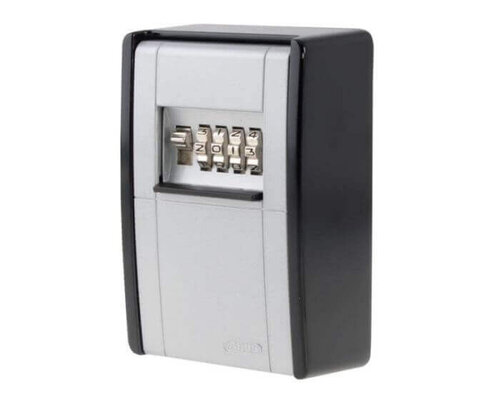
Abus Mechanical Wall-Mounted Keygarage
Mechanical wall-mounted key safe with 4-digit code
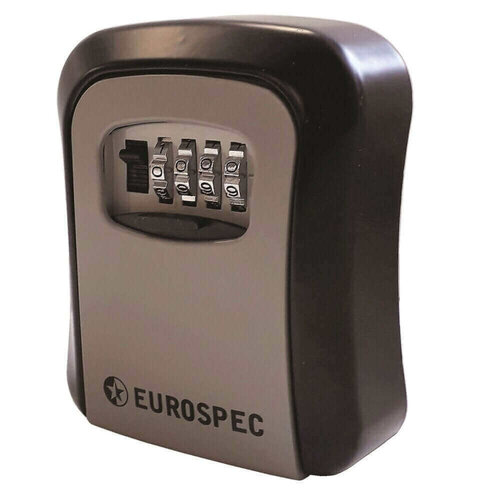
Carlisle Brass Key Cabinet Eurospec
Weather-resistant aluminium key cabinet with 4-digit combination, stores up to 5…
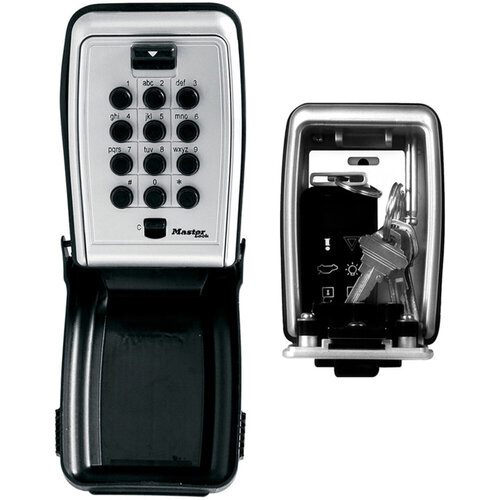
Master Lock Push Button Key Safe
Black wall-mounted push button key safe with programmable combination and weathe…
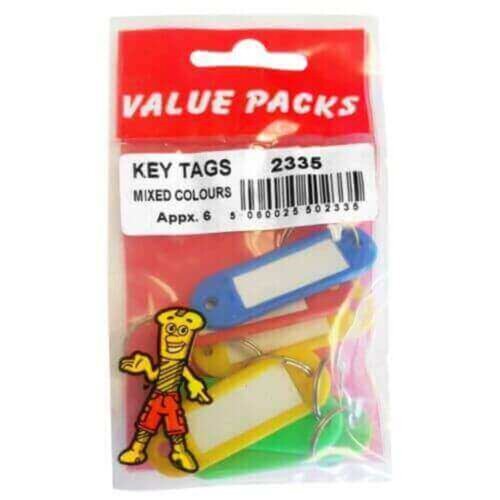
Fast-PAK Value Pack Key Tag - 6 Pack
Pack of 6 value key tags.
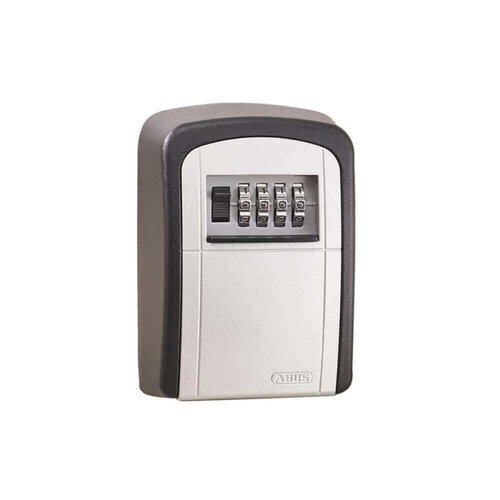
Abus Mechanical Keygarage 707
Aluminium key safe for up to 7 keys, secured by 4-digit code
For the Trade
Start with the space and how the unit will be used. That usually rules out half the options before you look at finish or extras. On a tight wall, a compact wall mounted key safe is the cleaner fit. If you are holding several keys for one site or a managed property, a key cabinet makes more sense because the internal layout matters more than the outer size. A heavy duty key safe is the one you reach for when the fixing point or abuse risk is higher. You give up some convenience, and sometimes capacity, to get that extra margin. In practice, the wrong choice is usually the one that looks fine on paper but does not suit the space you actually have.
Popular Key Safes & Cabinet Formats
For key safes, the first split is access method and exposure. Combination key safes suit shared use because nobody needs a spare key or app, but you do need to keep the code under control.
Resettable key safes make more sense where the code changes often. They save time on handovers, though they are a bit more fiddly to manage.
If the unit goes outside, weatherproof key safes are the one to look at because a standard box soon shows it. Where the site is rougher or the fixing point is exposed, heavy duty key safes give you a firmer feel and usually a better chance of staying put.
If you are comparing the wider Security range, that is where the job usually decides the format.
Key Differences When Choosing
The first call is how exposed it’ll be and how many people need access. A wall mounted key safe suits tight spaces and a small team. A key cabinet works better when you need to control more keys in one place.
If it’s going outside or into a rough spot, go heavier on the body and fixings. Lighter boxes tend to draw complaints. For anything tied into wider site access, Vehicle & Outdoor Security is the next stop. If you’re also sorting handover points, Post Boxes often get specified alongside it.
Next Decisions After Choosing
Once you’ve picked the unit, the next question is what else is being fixed around it. On a lot of jobs that means the surrounding security hardware, not more key safes. If the keys sit within a wider access scheme, you may be looking at door locks and bolts or euro cylinder locks at the same time so the handover stays consistent.
Where the job runs outside, check the rest of the external protection too. A key box on its own won’t cover a weak gate, garage or vehicle point. That is usually where the job moves from a simple box to the right mix of hardware for the site.
Related searches
Local availability for Key Safes & Cabinets








