Window Locks
Window locks usually come down to the frame type, the fixing pattern, and whether you need a keyed lock or a restrictor. uPVC and casement setups often need different keeps, so the wrong match wastes time. For controlled opening, window restrictors are the usual call. For security, keyed window locks are the pick. Aluminium frames can be fussier on fit, so matching the hardware to the profile matters more than the badge on the box.
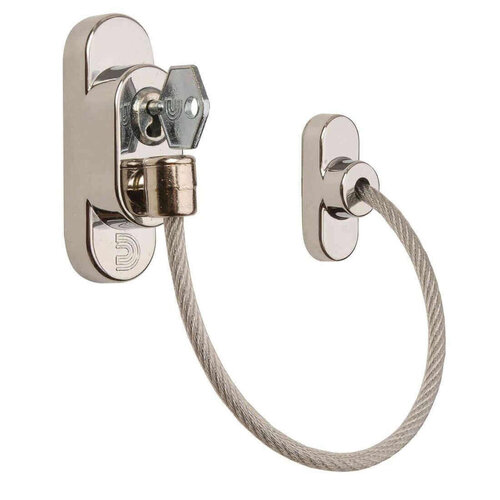
Dale Door & Window Cable Restrictor - Polished chrome
Polished chrome locking cable restrictor for doors and windows
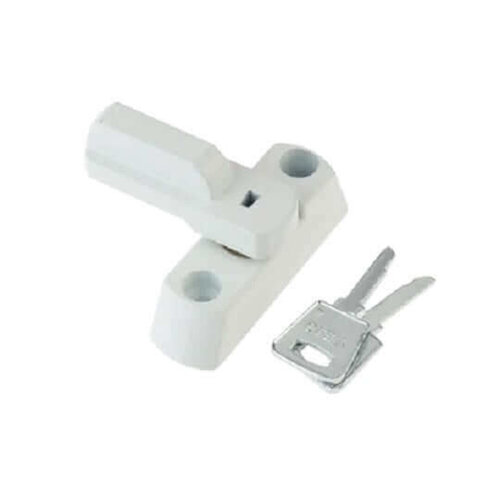
Yale 8K103 uPVC Window Stop - White
White window stop with key lock and adjustable ventilation
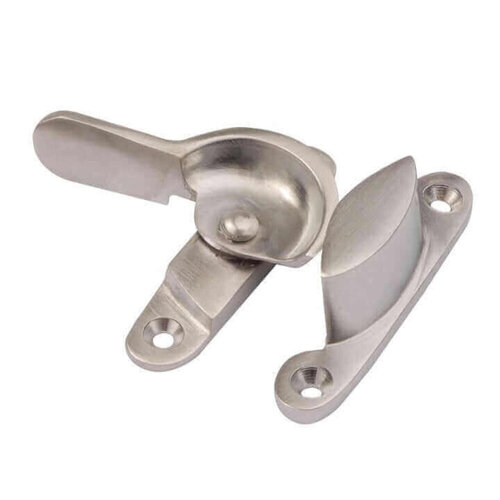
Fitch Locking Pattern Fitch Fastener - Satin Chrome
Satin chrome fitch fastener for traditional window locking
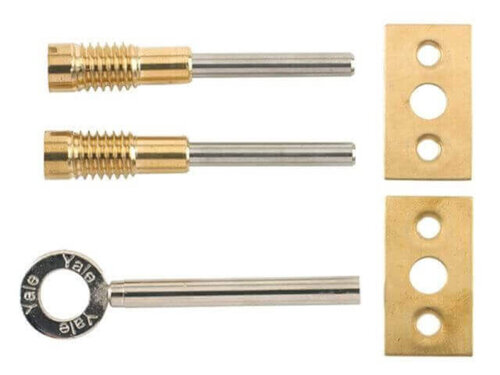
Yale Dual Screw Window Lock - Brass 2 Pack
Brass dual screw window lock with key, suitable for hinged windows, 2 pack.
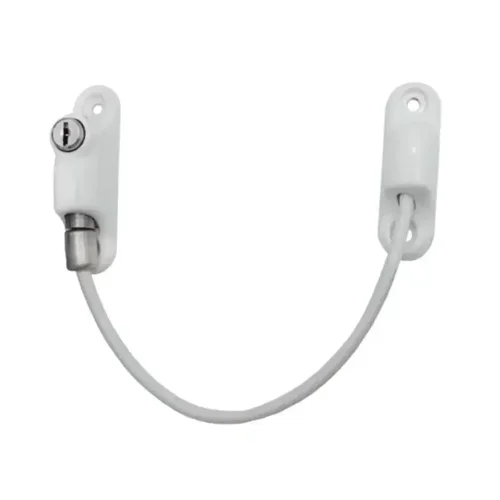
Frelan Jedo Cable Window Restrictor - White
White cable window restrictor from the Frelan Jedo range.
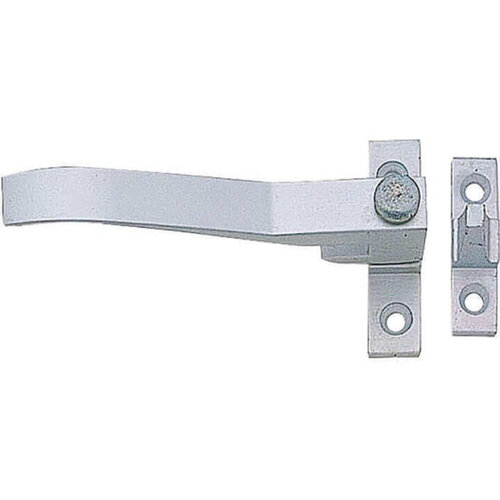
Casement Fastener - Satin Anodised Aluminium
Satin anodised aluminium casement fastener
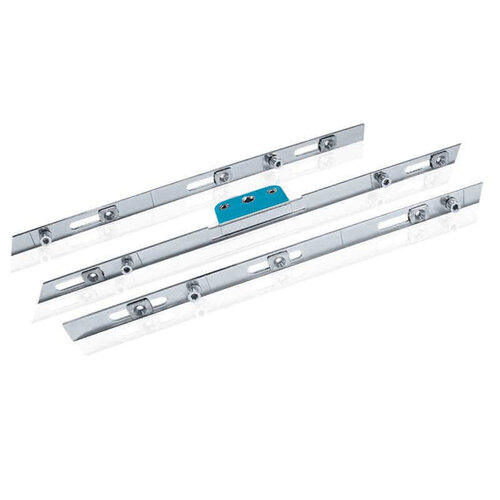
Versa Inline/Offset Espag - 25 crop 6/M F16
25mm crop inline/offset espag lock mechanism.
ERA Window Restrictor Cable Lock - White
White ERA window restrictor cable lock for safety and ventilation
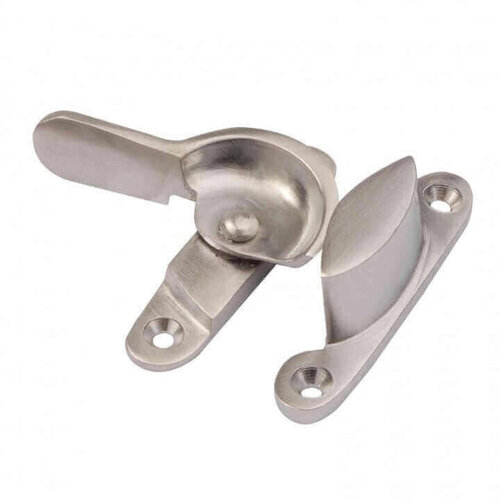
Fitch Locking Pattern Fastener - Polished Chrome
Polished chrome locking pattern fastener for window security
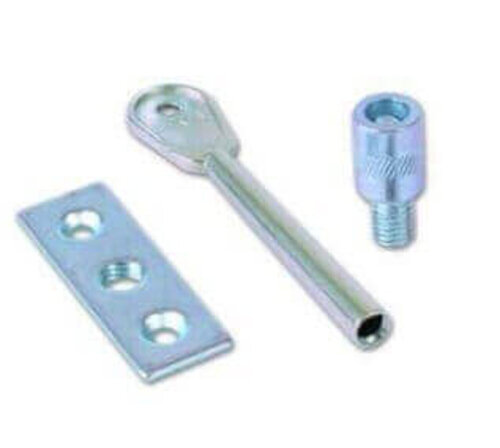
ERA Sash Window Stop Restrictor Lock - Satin
Sash window stop restrictor lock with satin finish for security and ventilation
For the Trade
The first question is what the job needs the window locks to do - hold the sash shut, limit opening, or give a keyed lock where the spec wants one. That choice usually matters more than the brand name on the pack. If you’re replacing existing hardware, match the fixing pattern and the frame type first, because the wrong pattern is where you lose time on site. Keyed window locks suit jobs where access needs to be controlled. Window restrictors are the better call when you only need limited opening. Most call-backs come from trying to make one fitting cover every frame.
Types of Window Locks
What you’re choosing between is how much control you need at the opening. A plain window lock is the usual pick for straightforward security. Casement window locks suit hinged openings where the hardware has to work with the frame.
Keyed window locks and key lock window locks give you controlled access, so they make sense when you want the window secured but still opened with a key. Window restrictors are the call when you need to limit how far it opens rather than lock it shut.
Child safety window locks usually give you that extra restraint, but you give up some convenience. On a lot of jobs, the wrong format causes more trouble than the lock itself, so it’s worth matching the lock to the opening before you get into the detail. Security
Selection Factors for Window Locks
Material is where you narrow window locks down properly. uPVC window locks are usually the straightforward fit on standard domestic frames. Aluminium window locks need a closer check on profile and fixing, because the hardware has to suit the slimmer section and harder face.
That is where jobs go wrong. The wrong pattern means extra time at the frame and a call-back later. For a straight replacement, match the pattern first and the finish second. If the spec moves beyond the window itself, keep an eye on Vehicle & Outdoor Security and Post Boxes.
Finish the Room
Once the lock is chosen, the next question is what else is being changed on the opening. On a straight replacement, you’ll often need matching keeps, handles or restrictors so the frame does not end up with mixed hardware.
On older jobs, one worn part usually means the rest is tired too. A full set makes more sense than chasing individual bits. If the window sits within a wider security job, check the surrounding ironmongery at the same time so you are not back for the next opening.
Related searches
Local availability for Window Locks





