Security
Start with what you’re protecting and how much resistance the job needs. Basic hardware is usually the economical pick for straightforward jobs, while cameras, alarms and other security equipment make more sense when you need a visible deterrent or a wider system. Trying to cover everything in one go often leaves you with kit that is over-specced or not quite right for the door, window or site you’re dealing with.
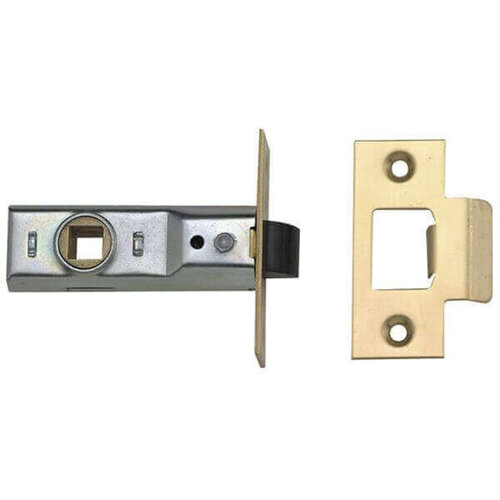
Union Tubular Mortice Latch - 76mm Silver Enamel
76mm tubular mortice latch with silver enamel finish and nylon mechanism
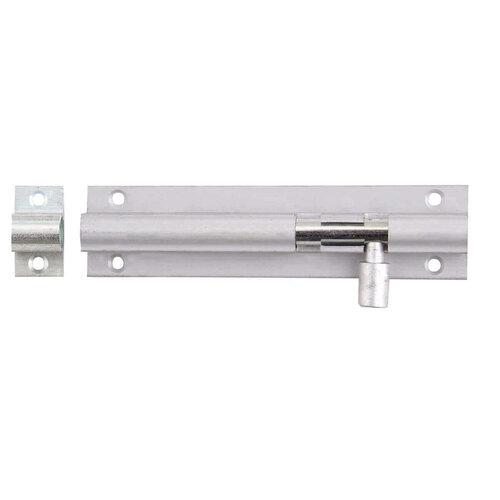
Select Door Bolt - 50mm Aluminium 1 Pack
Aluminium door bolt, 50 mm, single pack
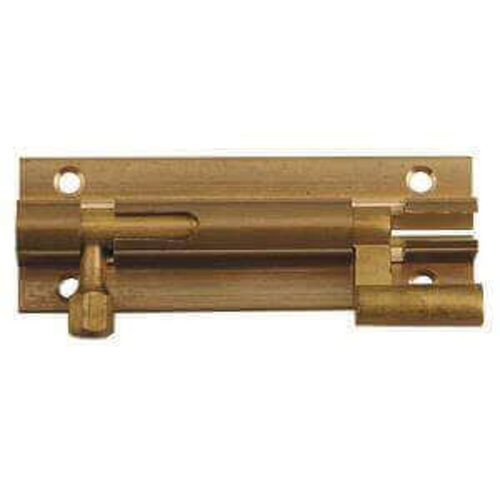
Select Hardware Door Bolt Necked - 75mm Brass
Brass necked door bolt, 75mm size
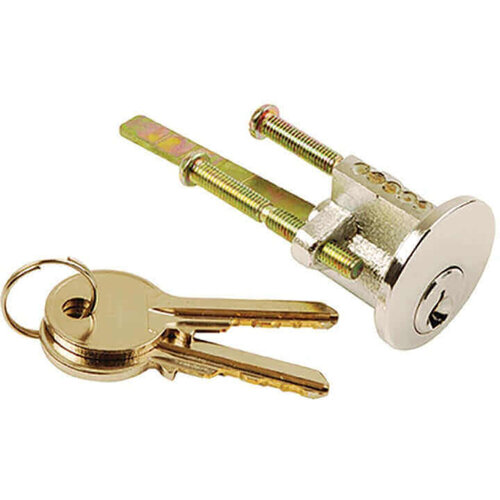
Replacement Cylinder - Polished chrome plated
Replacement euro cylinder lock with polished chrome plated finish
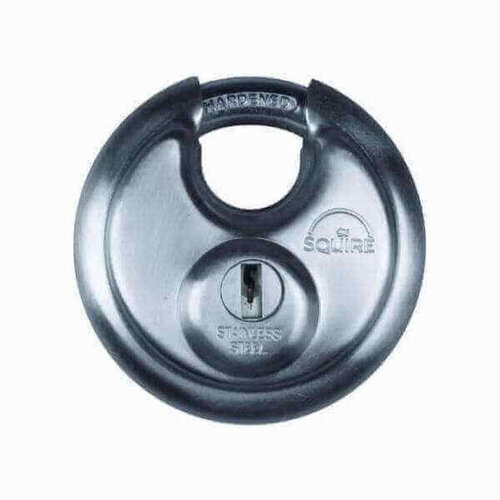
Squire Discus Padlock - 70mm Stainless Steel
70mm stainless steel disc padlock with closed shackle design for high security
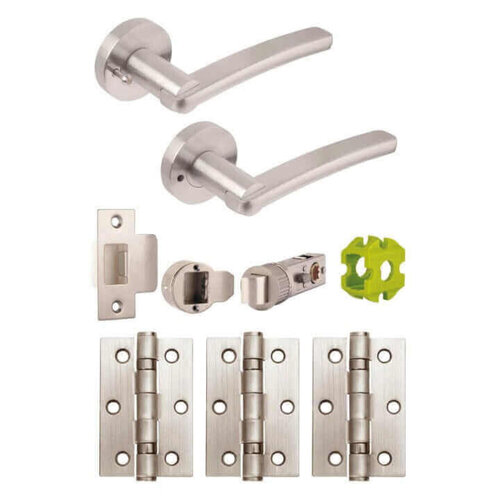
Jigtech SCP Condor Privacy Door Pack Mechanical - 57mm
Privacy door pack mechanism, 57mm, for secure private rooms.
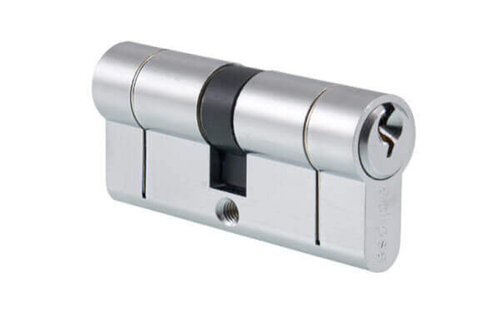
Euro Profile Double Cylinder - 70mm Satin Chrome
Euro profile double cylinder lock, 70mm, satin chrome finish
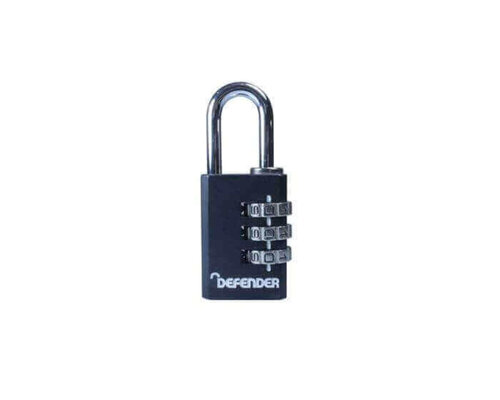
Defender Die-Cast Combination Padlock - 30mm Black
30mm die-cast combination padlock for luggage, toolboxes and lockers
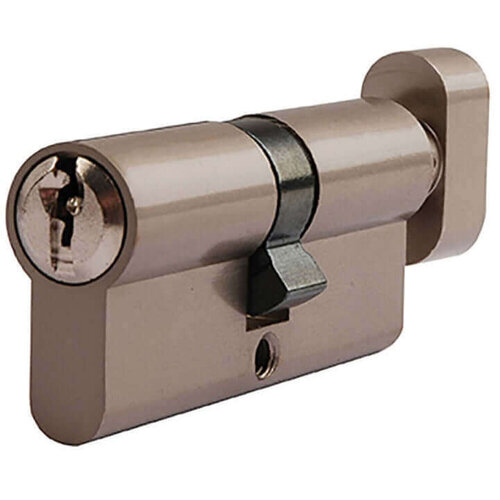
Dale Hardware Euro Cylinder Thumbturn - 30/10/30 Brass
Dale Hardware 30/10/30mm brass euro cylinder thumbturn
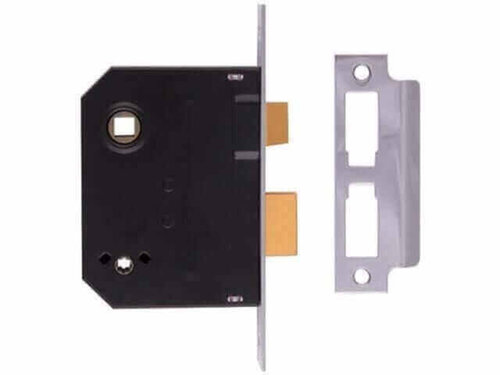
Union 2 Lever Mortice Sashlock - 63mm Chrome
Mortice sashlock for timber doors up to 54mm, chrome finish.
For the Trade
Check the space and the use first, then decide how much security you actually need. A tight doorway, awkward frame or limited fixing area will rule out plenty before you even look at finishes, and that’s where jobs usually go wrong - not at the spec sheet. If the opening is straightforward, keep it economical and stay with the basics. If the job needs more resistance or a more visible deterrent, step up from there. For the wider Security & Ironmongery range, that’s the order I’d use at the counter: fit the layout, then match the product to the risk.
Camera Doorbells
Camera Doorbells are the pick when you need a visible front-door check and a call point in one unit, rather than full CCTV coverage. They suit jobs where you want a simple bit of security equipment at the entrance and do not need to run a separate recorder or build out a bigger system.
The trade-off is clear. You get a focused view and quicker user interaction, but not the same coverage as a wider camera setup. If the brief is just the door and you want to keep the kit straightforward, Camera Doorbells usually make more sense than stepping up to a larger security system.
Commercial Security
Commercial Security is the part of the range you go to when the job goes beyond basic door or window protection and needs a site-wide approach.
You’re usually weighing up how much coverage you need, how visible the deterrent should be, and what the client will actually keep on top of after handover. If it’s a straightforward premises job, Commercial Security is the narrower buy within this range. If you only need one or two standalone items, stick with the individual security equipment instead of overcomplicating it.
Door Locks & Bolts
For Door Locks & Bolts, you’re usually balancing resistance against how the door gets used day to day. A simple night latch or bolt suits basic security where speed matters. A heavier lock or bolt setup gives more hold and less chance of a quick forced entry.
The trade-off stays the same on most jobs. More security usually means more hardware, more fixing, and a bit more time. The weak point is often the frame or keep, not the lock body, so the set has to work together.
Euro Cylinder Locks
Euro cylinder locks are the bit you specify when the door already takes that format and you need to decide how much resistance the job calls for. The usual split is between basic replacement and higher-security cylinders. The cheaper option keeps the price down. Upgraded cylinders generally give better protection against common attack methods and are worth the extra spend where the door is exposed or the client wants less chance of a call-back.
Check the cylinder length, cam type and whether the door needs thumbturn access before you order. That’s where mistakes usually happen. If the brief runs wider than the lock itself, match the rest of the security hardware around it.
Garage Security
Garage jobs usually come down to how much resistance you need and how the door gets used day to day. For a straightforward outbuilding or a low-risk access point, keep it simple with basic security hardware and avoid overdoing the fit.
If the garage holds tools, bikes or plant, move up to stronger security equipment with better fixing and a more obvious deterrent. The weak point is often the frame or the fixing surface, so that matters as much as the lock itself. If you’re covering the wider property as well, look at the rest of the security range rather than trying to make one product do everything.
Key Safes & Cabinets
Key safes and cabinets come into play when you need controlled access, not just a stronger lock. Start with who needs the keys and how often.
A small key safe suits occasional access for cleaners, contractors or care visits. A cabinet makes more sense when you are holding a larger set and need them kept in order.
The trade-off is straightforward. More keys or items mean more space, stronger fixing and a bulkier unit. In security work, that usually matters more than finish.
Choosing Materials and Size
For security, start with how much resistance the job needs. Then look at how much wear the kit will take.
A basic replacement on a low-risk opening can stay economical. If the door gets hard use, move up a grade. You will pay more, and the hardware may feel heavier, but it should suit the job better.
Finish matters when the hardware is on show. If the rest of the set is being changed, Door Furniture is worth lining up at the same time so you’re not mixing styles or replacing parts twice.
Completing the Setup
Once the main security kit is picked, the next question is what the job needs around it. On a door job, that usually means the furniture and hinges that take the wear. A front entrance may also need a camera doorbell, or a simple add-on from alarms and sensors if the brief calls for a visible check as well as physical protection.
On larger sites, commercial security often brings in the extra hardware and accessories that keep the system working day to day. The usual miss is buying the headline item and leaving the weak point - the frame, fixing points or access control - to be sorted later.
Related searches
Local availability for Security














