Work Platforms
Work platforms usually come down to three things: how much room you’ve got, how often you’re moving it, and whether you need a fixed deck or something that folds away. Aluminium work platforms are a common trade choice because they’re light enough to shift without a fuss. A folding work platform suits vans and tight stores where bulk is the issue. For longer runs or less repositioning, a mobile work platform makes more sense, but you give up some simplicity and compact storage.
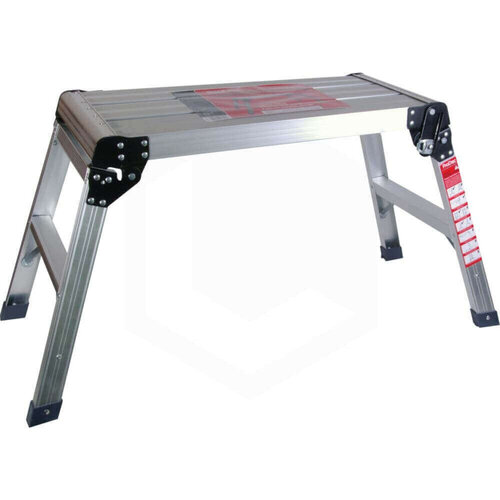
Prodec Aluminium Workstand - 700mm
Prodec 700mm aluminium lightweight workstand
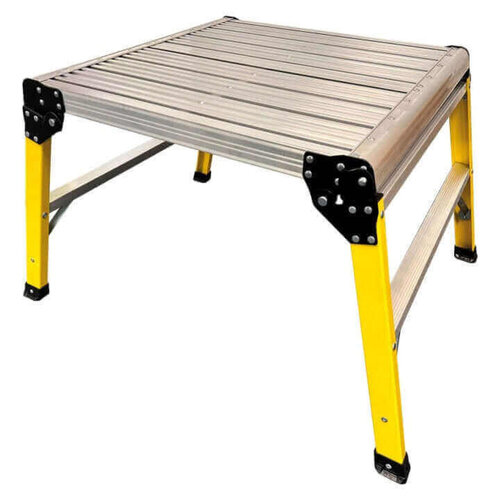
Werner Odd Job Fibreglass Work Stand - 600mm
Fibreglass work stand with 150kg capacity and 0.5m platform
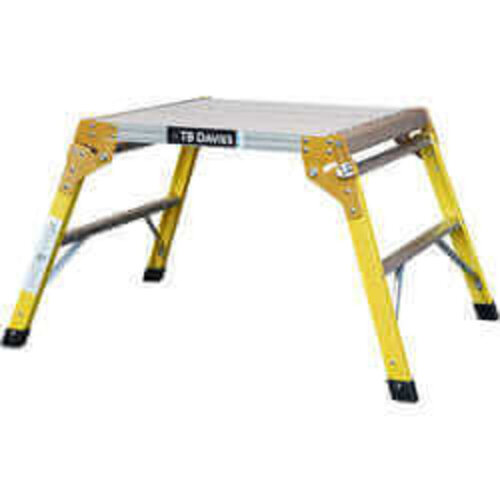
TB Davies GRP Hop Up Square Work Platform
GRP fibreglass hop-up work platform with non-slip surface and folding storage
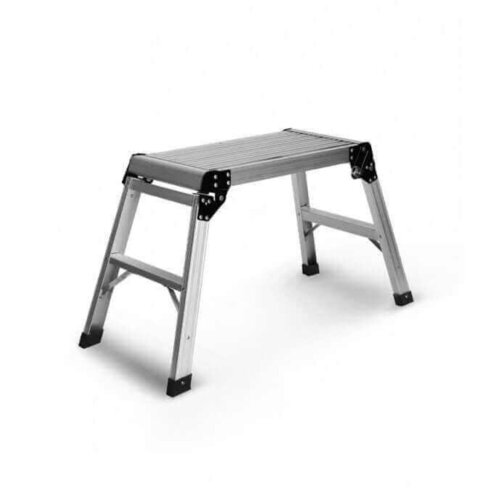
Drabest Work Platform - 60cm x 30cm
Work platform measuring 600mm x 300mm
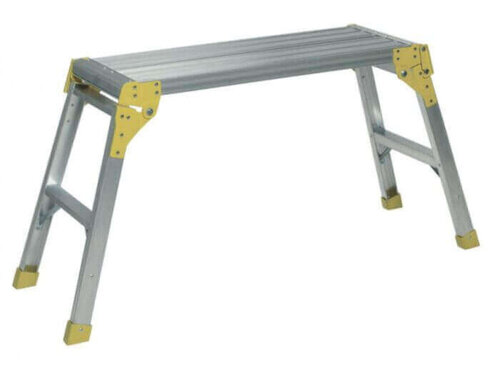
Prodec Folding Work Platform - 300mm x 800mm Aluminium
Folding aluminium work platform 800x300mm, 150kg capacity
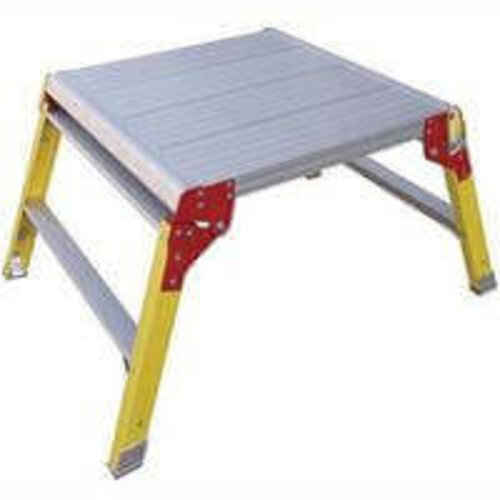
Greenbrook Fibre Glass/Aluminium Platform Ladder - 600mm x 600mm
600 x 600mm fibreglass/aluminium platform ladder with anti-slip surface and doub…
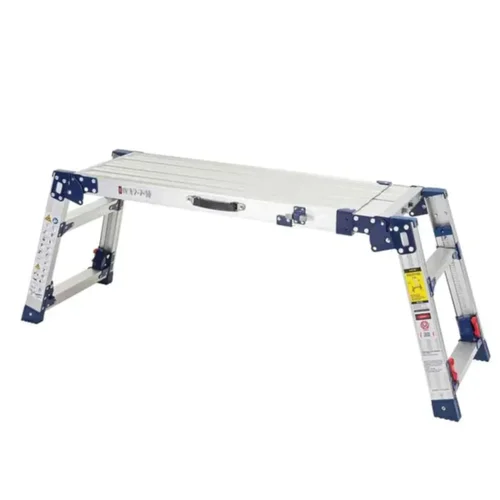
TB Davies Xtend & Climb Pro Series Fully Adjustable Work Platform
TB Davies Pro Series fully adjustable work platform
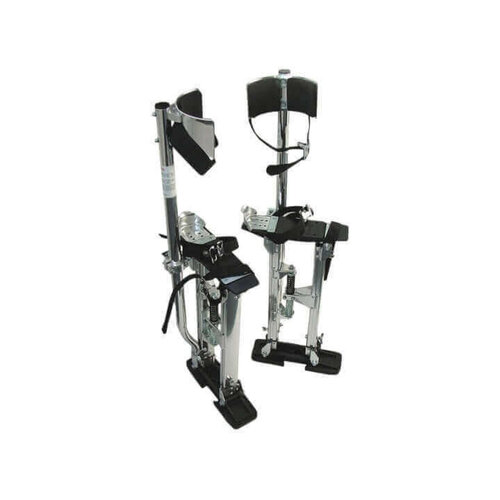
Faithfull Stilts - 18-30"
Adjustable work stilts, height range 18 to 30 inches
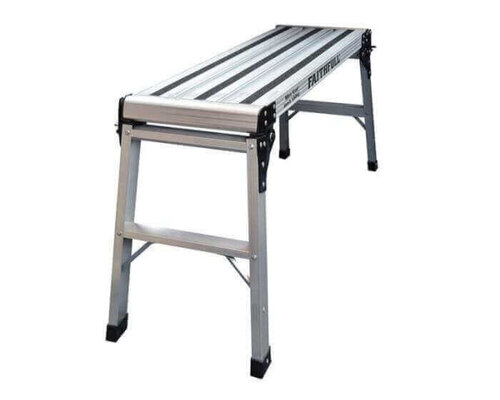
Faithfull Fold Away Step Up Aluminium - 100cm x 52cm x 30cm
Aluminium fold-away step-up platform, 150kg load capacity
For the Trade
You’re usually deciding first by access and how much room you’ve actually got, then by how often the kit needs moving. If it’s staying in one bay for the day, a folding work platform keeps things simple and stores easier between jobs. If you’re shifting round a site, a mobile work platform saves lifting, but the wheels and frame add bulk, so it’s not the one for every cramped corner. Aluminium work platforms are the common pick when you want something lighter to handle without going flimsy. The jobs that get called back are often the ones where the platform was too wide, too heavy, or awkward to get through the route in the first place.
Types of Work Platforms
The choice usually comes down to how much moving about the job needs. Trade work platforms suit repeat use when you want a steadier deck and less faffing than a ladder. Folding work platforms make more sense when you need something that stows quickly and does not eat van space.
A platform ladder gives you a fixed step-up and a working position in one unit. That suits shorter tasks, but you give up some deck length and flexibility. If you are comparing the full Ladders & Platforms range, that is the first split to make before looking at anything else.
Selection Factors for Work Platforms
Material is usually the first call. An aluminium work platform suits jobs where you are lifting it in and out of vans, up stairs, or across sites where handling matters. It is lighter, so it is easier to move and less of a drag on the day.
The trade-off is simple. You pay for that easier handling. A heavier build can feel steadier if it stays in one place for longer spells. Folding work platforms help when storage is tight and set-up needs to be quick. A mobile work platform makes more sense when you are covering repeated positions and do not want to keep lifting it. If the job is more about a fixed step-up, look at Step Ladders. Where you need a different angle or stair access, Stair Ladders may be the better call.
Finish the Room
Once you’ve picked the right work platforms, the next call is what the job leaves behind. If you’re protecting finished surfaces or keeping dust off an occupied area, screens and panels usually matter more than another access item.
Where the job needs a cleaner finish at the end, storage and adjacent finishes come next. That keeps you from coming back to sort out damage or clutter.
On longer runs, a mobile work platform can save time. In tighter areas, or where the fit-out is already in place, a folding work platform is easier to store and less likely to block other trades.
Related searches
Local availability for Work Platforms









