Packaging
Pick packaging around what you’re sending, how much protection it needs, and how quickly it has to go out. Light parcels usually only need basic packaging materials and packing tape. Awkward or fragile loads call for stronger packing supplies and more protective packaging, so you are not paying for returns later.

Light Duty Flat Strap - 1000mm
Simpson light duty flat fixing strap, 1000mm length
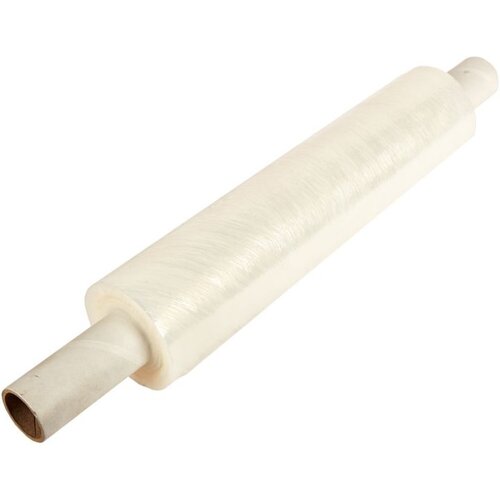
Ndc Stretch Wrap - 300m x 400mm x 17MU Clear
Clear 300m x 400mm 17mu stretch wrap roll with extended core
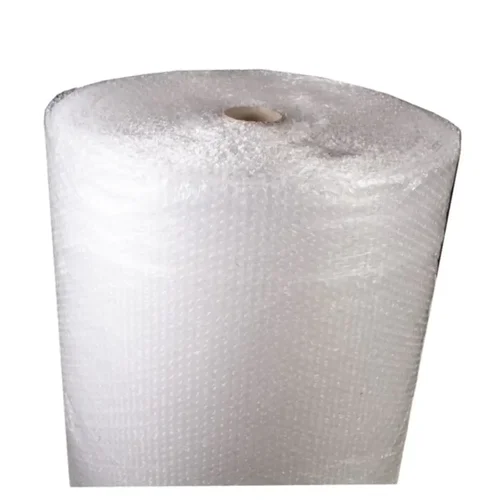
Bubble Wrap - 600mm x 100m
Transparent bubble wrap roll 600 millimetres wide and 100 metres long
For the Trade
Start with the space you’ve got and how the job moves through the day. Tight bench space or a crowded van slows you down before you’ve even started, and bulky packaging materials make that worse. If the item gets handled a few times, protective packaging matters more than shaving a bit off the outer. For straightforward dispatch, you want packing supplies that close cleanly and hold shape. With awkward loads, crush resistance and void fill come first. Finish and extras come after that. Most of the grief comes from the wrong layout, not the tape colour.
Popular Packaging Formats
At the counter, the first question is usually how much protection the job needs and how tidy the dispatch has to look. Basic packaging supplies suit routine sends where you just need a clean, economical wrap.
Heavier packaging materials make more sense when the load is likely to get knocked about or stacked. Trade packaging is the pick when you want it to hold together under regular site use, though you give up a bit of neatness and sometimes cost.
Industrial packaging is for harsher handling and bulkier goods, but it can be overkill for simple parcel work. If you’re working back through Manual Handling, that’s where the rest of the kit sits around the job.
Key Differences When Choosing
What you buy usually comes down to how much punishment the load will take and how tidy the dispatch needs to be. For plain repeat sends, lighter packaging materials keep cost down and are quicker to work with.
Once the contents are awkward, sharp-edged or likely to get handled twice, move up to stronger packaging and better protective packaging. That cuts the risk of damage and the cost that follows.
If you’re boxing mixed kit or keeping parts together in the van, Storage Boxes are the next buy. When the issue is moving packed goods rather than sealing them, Dollies & Trolleys matter more than another roll of tape.
Next Decisions After Choosing
Once you’ve picked the packaging, the next call is what protects it in transit and what keeps the job moving at the bench. For fragile or awkward loads, protective packaging is worth the extra spend because it cuts the returns that come from crushed corners and loose fill.
If the contents are regular and you’re just getting parcels out the door, standard packaging materials are usually enough. Where you’re sending mixed kit, storage boxes help more than loose bags because they keep small parts together and save time when you’re picking the next order.
Related searches
Local availability for Packaging








