Storage Boxes
Storage boxes usually come down to three things: whether you need a lid, how much weight they’ll take, and how easy it is to see what’s inside. Plastic storage boxes are the common pick for site kit and parts because they’re light, stack neatly, and handle rough use well. Clear storage boxes save time when you’re pulling small fixings or consumables. If the load is heavier, or the box gets moved about a lot, heavy duty storage boxes are the safer choice. Cheap ones split when they’re overfilled.
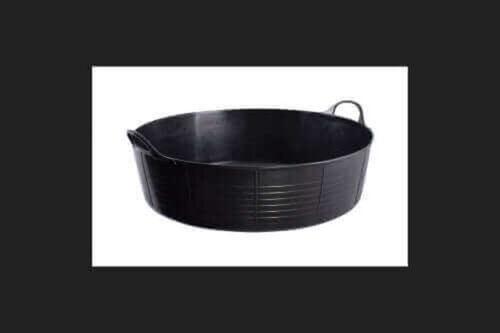
RED Gorilla Gorilla Tub Large Shallow - 35L Black
Flexible 35L shallow black tub, weather resistant, with easy-grip handles
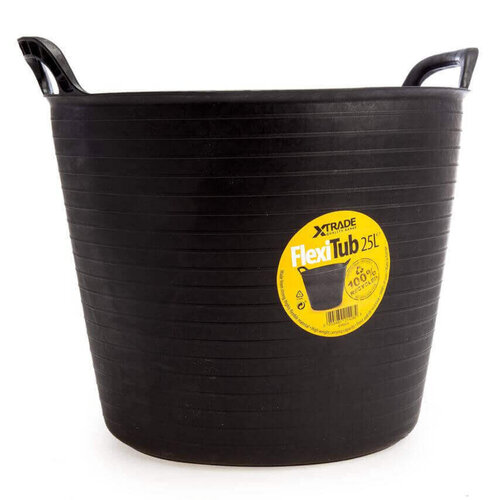
Xtrade H/D Polyethylene Flex Tub - 28L Medium
Heavy-duty 28L polyethylene flex tub, frost and UV resistant
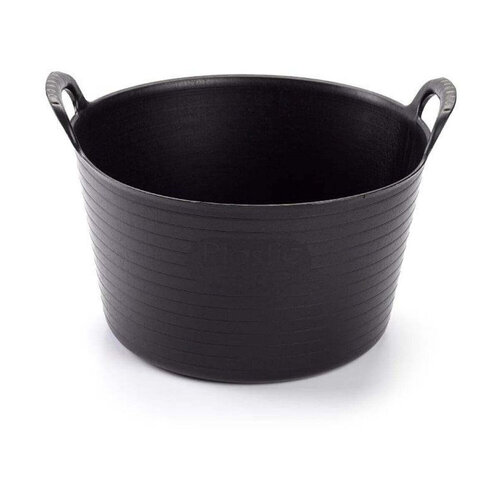
Easi Gorilla Tub - 14L Black
14 litre heavy-duty Gorilla Tub, black, flexible, UV-resistant, for agriculture …
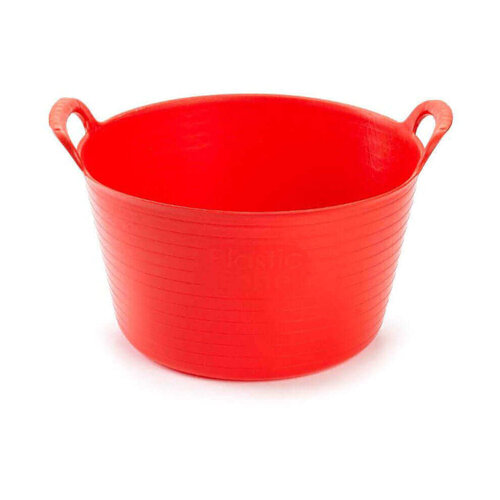
RED Gorilla Gorilla Tub - 26L Black
Flexible 26-litre black storage and carrying tub
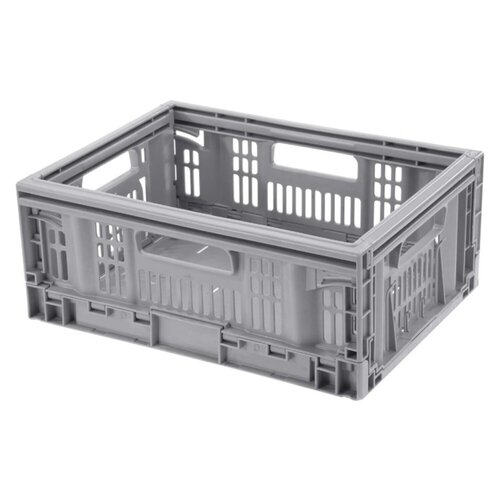
Tontarelli Teknika Heavy-Duty Folding Crate - 15.8L Grey
Tontarelli Teknika 15.8-litre grey folding crate with handles
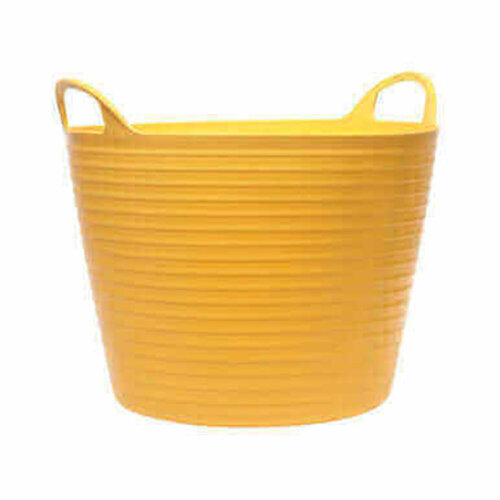
Faithfull Flex Tub Heavy Duty - 60L Yellow
60-litre yellow flexible tub with strong handles for solids and fluids.
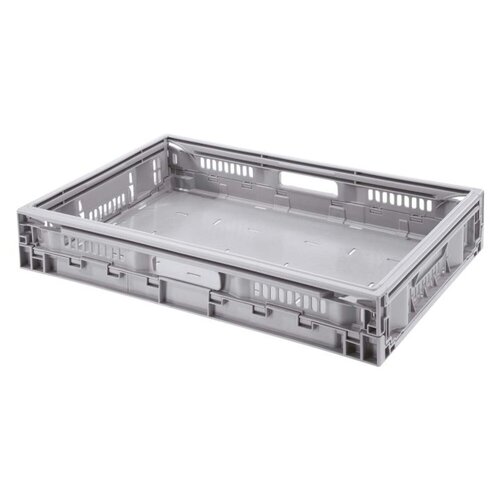
Tontarelli Teknika Heavy-Duty Folding Crate - 21L Grey
Tontarelli Teknika 21-litre grey folding crate with handles
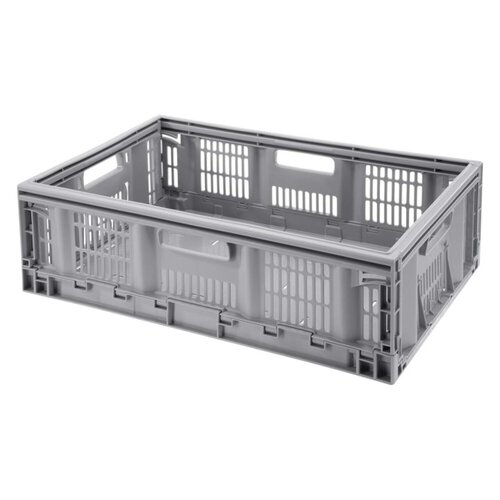
Tontarelli Teknika Heavy-Duty Folding Crate - 37L Grey
Tontarelli Teknika 37-litre grey folding crate with handles
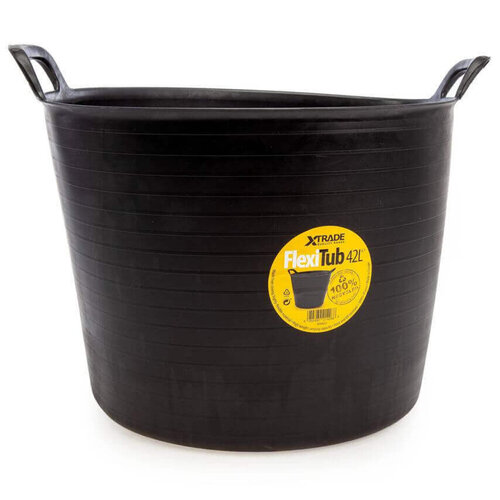
Xtrade High Density Polyethylene Flex Tub - 42L Large
42-litre black flexible tub made from 100% recycled material
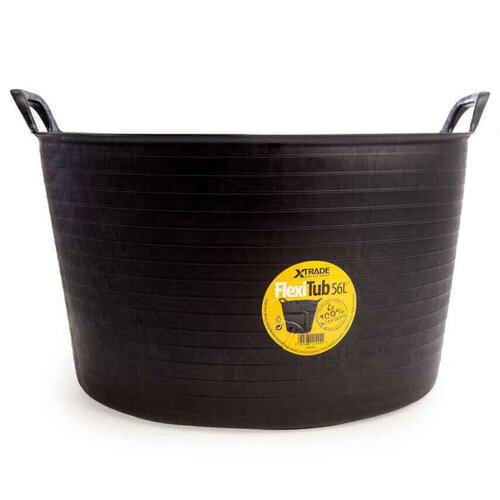
Xtrade Heavy Duty Polyethylene Flex Tub - Extra Large 60L
Flexible 60L tub made from recycled polyethylene, black
For the Trade
Start with what you’re putting in them and how often they’ll be moved. For mixed kit, lidded storage boxes keep dust and spillages out better, while open storage containers are quicker when you’re dipping in and out all day. Clear storage boxes help when you need to see fixings at a glance. Opaque ones are less likely to look untidy once they’re full. Stackable storage boxes make more sense where space is tight and the load stays stable. Once you start overfilling them, lids and clips are usually the first thing to suffer.
Popular Storage Boxes Formats
Stackable storage boxes are the first split for most jobs. They save floor space and keep kit grouped, but they only work when the load stays stable and you are not in and out of them all day.
Lidded storage boxes, or a storage box with lid, suit mixed contents that need to stay shut between jobs. You get better containment, but access is slower when you need to grab something quickly.
Clear storage boxes help when you need to see what is inside at a glance. They are less useful if the contents are likely to get knocked about.
For heavier kit, heavy duty storage boxes are the one to look at. If you are comparing the full Manual Handling range, that is usually where the decision gets made.
Key Differences When Choosing
Most storage boxes come down to what you’re carrying and how often they move. Plastic storage boxes are usually the first pick because they’re lighter to handle and cope better with damp. The trade-off is simple: they can flex if you overload them or stack them hard.
If the kit stays in one place, that’s usually fine. Once boxes start going in and out of vans or across site, the difference shows quickly. When the load is awkward or you’re moving several at once, look at Dollies & Trolleys or Flatbed Trolleys rather than making the box do all the work.
Next Decisions After Choosing
Once you’ve picked the box, the next call is what sits around it. That usually means how it’s stored, how it’s moved, and what keeps kit separated.
A box that lives on shelving needs a different shape to one that’s going between vans. That’s where storage containers, dollies and trolleys, or flatbed trolleys come in. Get the box right first, then check lids, stacking, and access against the rest of the setup.
Related searches
Local availability for Storage Boxes








