Shelf Brackets
Shelf brackets usually come down to span, load and finish. If you want the support hidden, floating shelf brackets do the job. For heavier shelves, open metal shelf brackets are the usual pick. Black or white finishes are mainly about matching the job, but shelf size still matters - lighter decorative shelves can take a slimmer bracket, while deeper boards need more meat in the support.

ProSolve Sapphire Shelf Bracket - 220mm White
220 millimetres white shelf bracket with anti-microbial finish
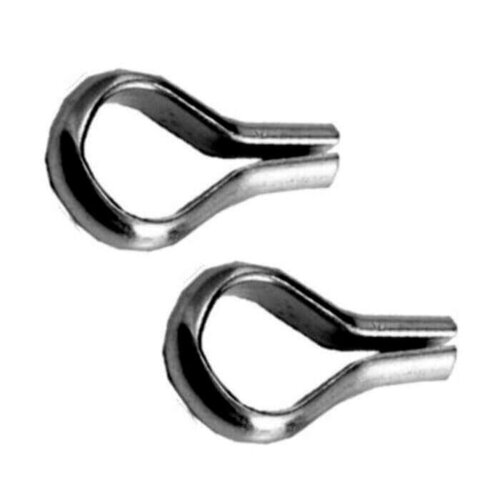
ALL Bees Shelf Support Banjo Stud - Chrome
Chrome banjo stud for shelf support.
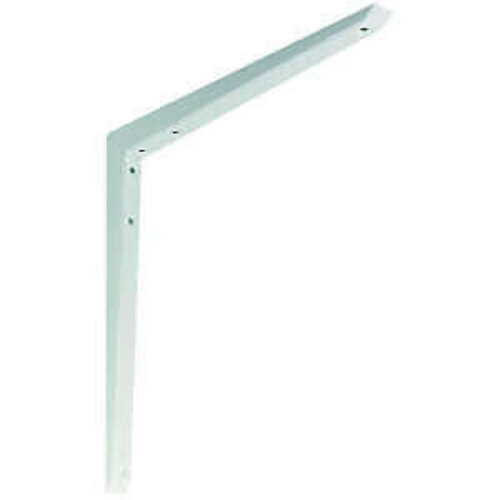
Mitred Shelf Bracket - 350mm x 350mm White
White powder-coated mitred bracket 350x350mm with reinforced joint.
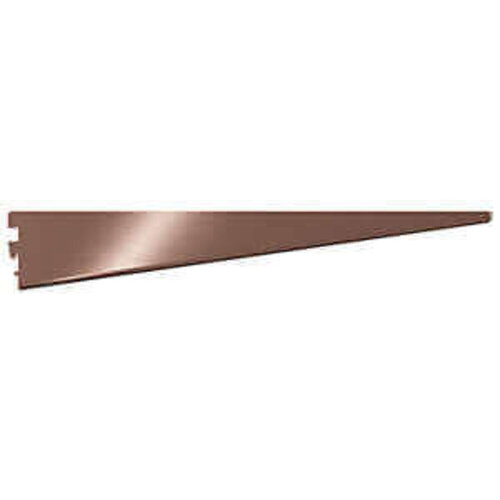
Rothley Twin Slot Shelf Bracket - 320mm Antique Brass
320mm steel twin slot bracket, antique brass, supports up to 24kg

ProSolve Sapphire Shelf Bracket - 170mm White
170mm white steel shelf bracket with anti-microbial finish
Prosolve Newtech London Bracket - 150mm x 125mm Grey
Classic London shelving bracket, 150x125mm, grey powder coated.
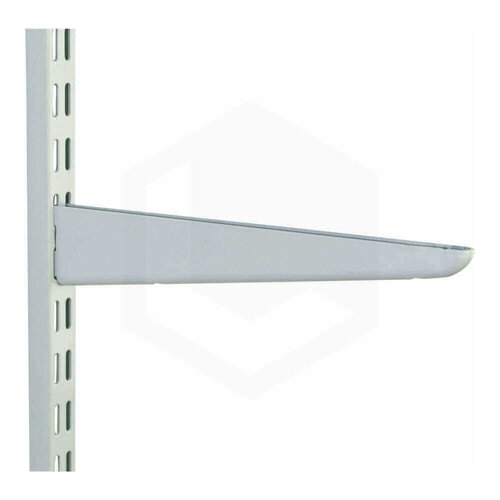
Blue Diamond Adjustable Shelving Bracket - 320mm (12 1/2")
Adjustable shelving bracket, length 320mm
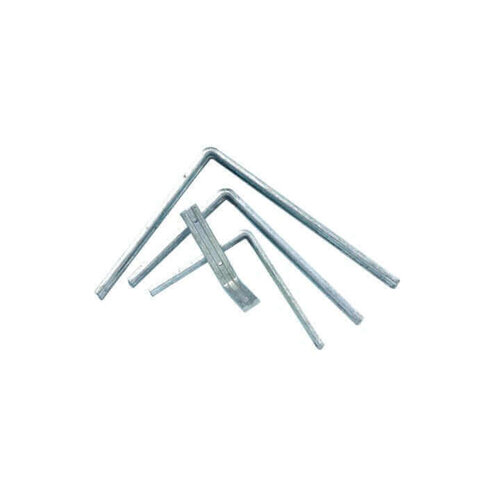
Fluted Bracket - 300mm x 250mm Galvanised
Galvanised fluted shelf bracket, 300 x 250mm.
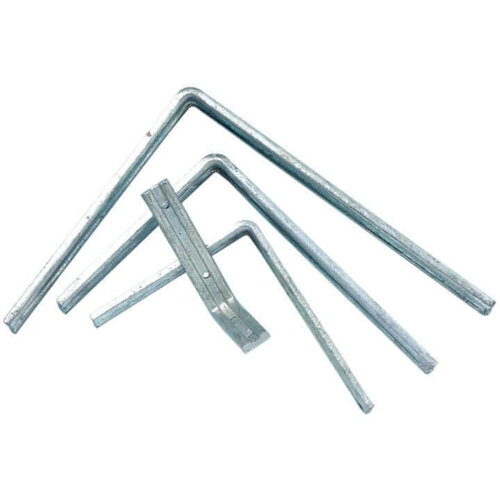
Newtech Fluted Bracket - 150mm x 125mm Galvanised
Galvanised fluted bracket, size 150 mm x 125 mm
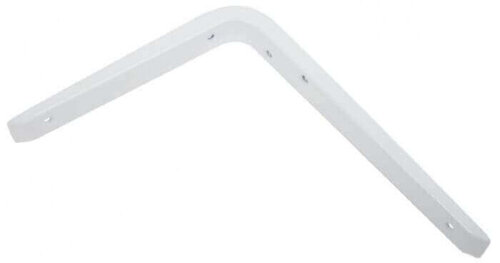
John George Cantilever Reinforced Shelf Bracket - 200mm x 250mm White
Reinforced cantilever shelf bracket, 200mm x 250mm, white, medium duty
For the Trade
Start with the load and the span, then decide how much of the bracket you’re happy to see. That usually narrows shelf brackets down quickest. A short run with light stock can stay simple. Once the shelf gets wider or the contents change, you need a stiffer fixing and a bracket that won’t twist in use. Metal shelf brackets are the common call where strength matters. Lighter decorative options suit jobs where appearance matters more than brute support. The ones that get called back are usually the ones matched to the shelf, not the job.
Shelf Bracket Types and Layouts
If you’re choosing shelf brackets for a job, the first split is usually between plain wall shelf brackets, floating shelf brackets and decorative shelf brackets.
Go floating when you want the fixing out of sight and the shelf face kept clean. The trade-off is less room for error if the board or fixing spec is weak.
Decorative brackets suit jobs where the bracket is meant to be seen. Heavy duty shelf brackets are the better call once the shelf is carrying proper weight or the span starts to work against you.
Adjustable shelf brackets help when the layout is not fixed yet. Corner shelf brackets make practical use of space a straight run leaves unused, though they need a wider corner footprint.
If you’re comparing the wider Shelving & Storage range, this is usually the point where the bracket layout decides the rest of the job.
What to Check Before You Buy
Material is where most of the choice gets made. Steel shelf brackets usually suit jobs that need a firmer enamelled face and a bit more abuse on site. The trade-off is weight. They’re heavier to carry and slower to handle than acrylic.
That matters when you’re taking a batch upstairs or turning a run round quickly. Metal shelf brackets are the better call where the shelf will see regular use. Lighter finishes can be fine when appearance matters more than knock resistance. If the job is part of a wider fit-out, it’s often worth lining up Storage Bins or Tool Storage at the same time so the fixing points and storage layout work together.
Useful Alongside Shelf Brackets
Once you’ve picked the shelf brackets, the next call is usually the fixing and the finish around them. On a visible run, you may be choosing between a cleaner floating look and a more obvious support. Match the shelf board, wall finish and any trim so the job doesn’t look patched together.
Where the shelf is carrying more than display weight, heavy duty shelf brackets and the right fixings matter more than the colour. In a utility area, storage bins or tool storage often get specified alongside the shelf so the space works as a set rather than a single shelf on its own.
Related searches
Local availability for Shelf Brackets







