Twin Slot Shelving
twin slot shelving is the one you pick when you want adjustable runs without fixing everything in place. The choice usually comes down to load, span and how often you expect to move the boards. Lighter jobs can stay with standard uprights and brackets. Heavier stock or workshop use needs a sturdier system with the right rails and fixings. If access is tight, shorter sections are easier to handle. Longer runs make more sense when you want fewer joints and can get them in.
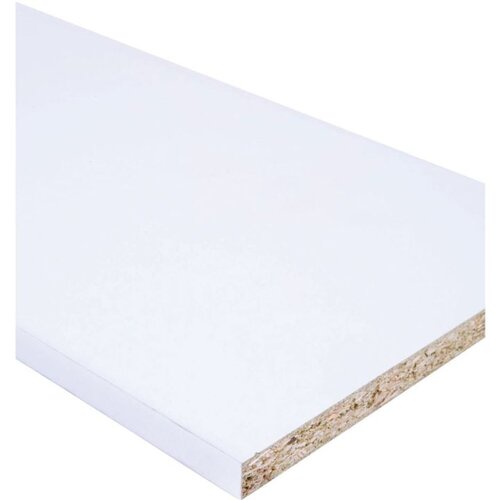
Meyer MFC Shelving FSC - 305 x 2440mm White
White FSC-certified melamine faced chipboard shelving board, 2440 x 305 x 15 mil…
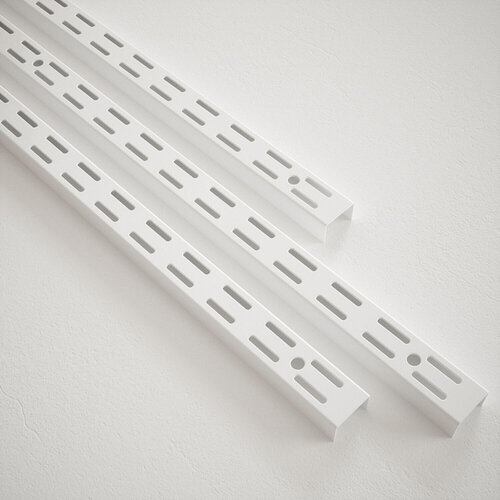
Rothley Twin Slot Upright - 997mm White
997mm white twin slot upright with 50kg load capacity and antimicrobial coating
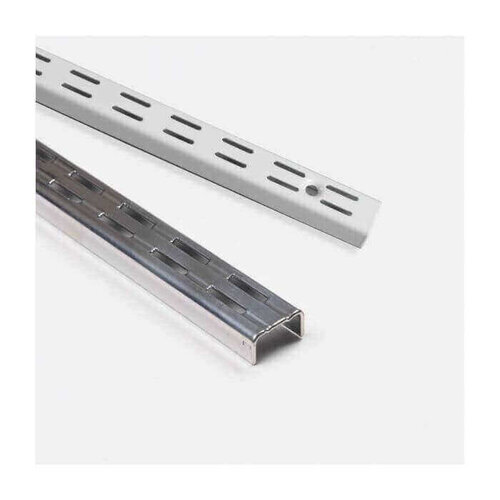
Rothley Twin Slot Wall Upright - 1981mm Chrome
Rothley twin slot wall upright, 1981mm, chrome plated
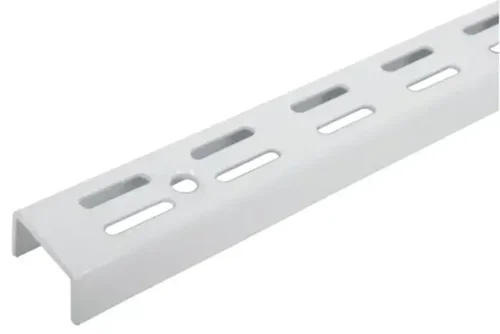
John George Shelf Bracket Twin Slot Upright - 2400mm White
Steel twin slot upright with anti-bacterial coating, 2400mm, white
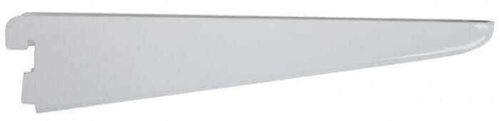
John George Shelf Bracket Twin Slot - 220mm White
220mm white twin slot shelf bracket with anti-bacterial coating
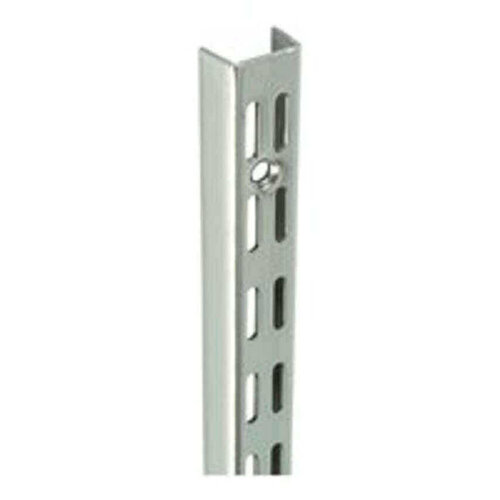
ProSolve Newtech Twinslot Upright - 2400mm White
Twin slot upright, white, 2400 mm, steel with anti-microbial coating
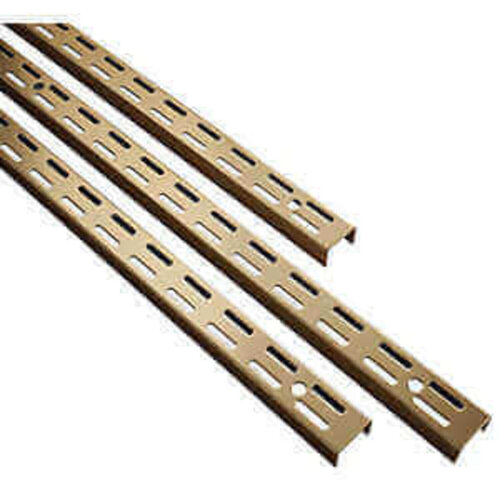
Rothley Twin Slot Upright - 1981mm Antique Brass
1981mm twin slot upright, antique brass finish
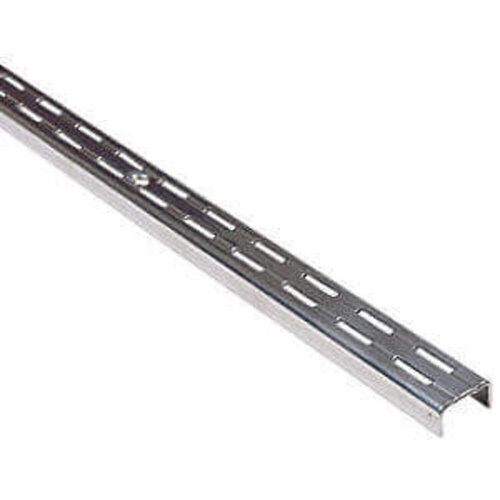
Rothley Twin Slot Upright - 997mm Chrome
Mirror-finish chrome twin slot upright for adjustable shelf systems, 997mm lengt…
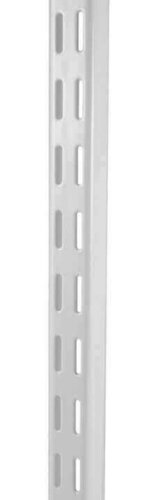
Prosolve Sapphire Shelf Upright - 710mm White
White twin slot steel upright for adjustable shelving
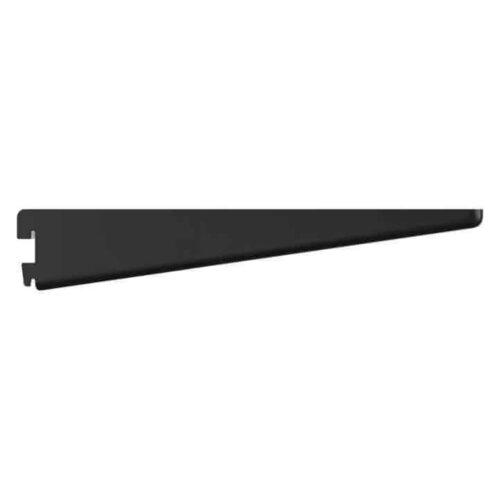
Twin Slot Bracket - 12 1/2" Matt Black
Matt black twin slot shelf bracket, 317.5mm (12 1/2")
For the Trade
Start with the space you’ve got and what the shelves need to carry. That sets the layout before you look at finishes or extras. Twin slot shelving works when you need to move shelf positions without changing the whole run. The uprights, rail length and fixing pattern still need to suit the wall and the load. If the setup will stay put, a simpler spec usually does the job. If stock, tools or kit move around, adjustable shelving makes more sense.
Twin Slot Shelving Types and Layouts
For most jobs, you are choosing between a standard twin slot shelving system and a heavier-duty layout. Standard twin slot shelving suits work where you need easy adjustment and a clean wall fix. Heavy duty twin slot shelving is the better call when the load matters or the shelves will take regular use.
The uprights and rails carry the structure. Wall fixings are the part that gets missed, and that is where problems start. If shelf positions need to change often, adjustable shelving is the practical pick. You lose a bit of simplicity compared with a fixed run. For the full range, start with Shelving & Storage.
What to Check Before You Buy
What usually decides it is how much adjustment you need and how tidy the run has to look once it’s loaded.
Twin slot shelving system options with deeper brackets and heavier uprights suit regular trade use where the shelves will be moved about. You get more support, but you pay for it in price and handling.
Lighter adjustable shelving works when the load is modest and you want a cleaner, simpler fit. If you’re setting out a wall for mixed kit, Storage Bins usually make more sense than trying to stack loose items on open boards. Tool Storage is the next buy when you need hand tools kept together rather than just stored on a shelf.
Useful Alongside Twin Slot Shelving
Once the shelves are picked, the next question is what the wall needs around them. Get the fixing points sorted first. Then look at any storage that sits under or beside the run. That is where jobs get awkward if you leave it until last.
If the area takes knocks or holds loose kit, storage bins and tool storage usually make more sense than loading the shelves up. In a workshop, check the wall finish and any panels or screens before you commit. Once the uprights are in, changing the background is the bit that means another visit.
Related searches
Local availability for Twin Slot Shelving







