Shelving & Storage
You’re usually choosing shelving on three things: what it needs to carry, where it’s going, and how much floor space you can spare. Metal shelving is the usual pick for a tougher, wipe-clean finish, while wooden shelving can suit lighter loads or a warmer look in a visible space. If space is tight, choose the depth and height you can actually use. Call-backs often come from units that looked fine on paper but didn’t suit the load or access.
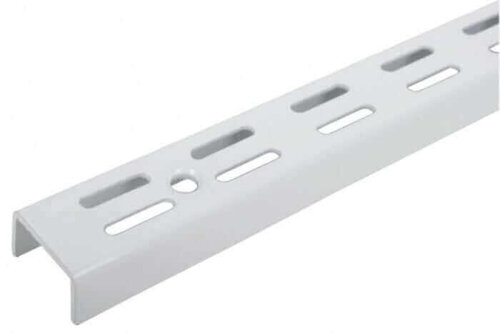
John George Shelf Bracket Twin Slot Upright - 1600mm White
White steel upright with anti-bacterial coating for twin slot shelving
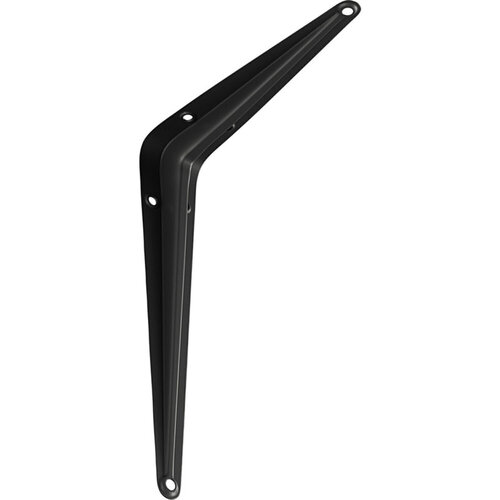
Rothley London Shelf Bracket - Matt Black 200 x 150mm
Matt black steel shelf bracket, 200x150mm, max load 20kg

Scroll Shelf Bracket - 200 x 200mm White
White matt steel scroll shelf bracket, 200 x 200mm
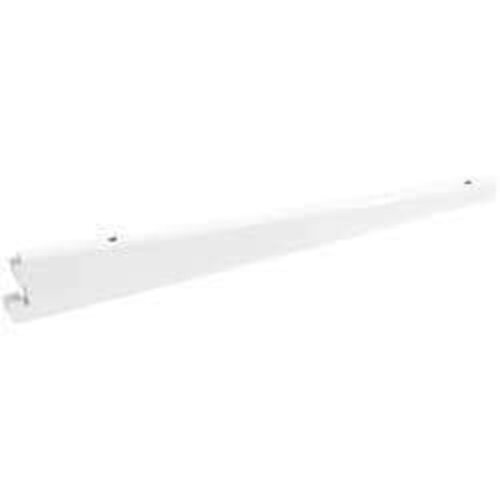
White Twin Slot Shelving - Bracket 320mm
White 320mm twin-slot bracket for adjustable shelving system
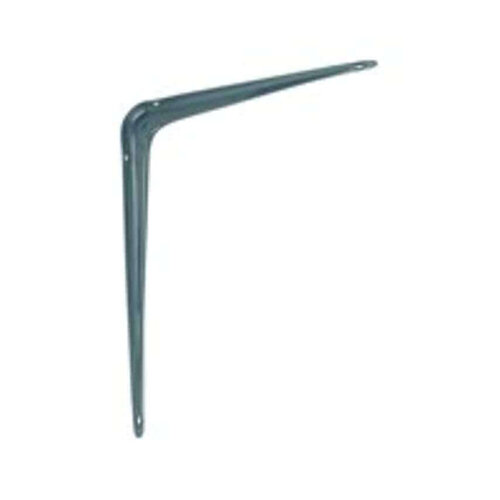
ProSolve Newtech London Bracket - 200mm x 150mm Grey
Grey powder coated London shelving bracket, 200mm x 150mm
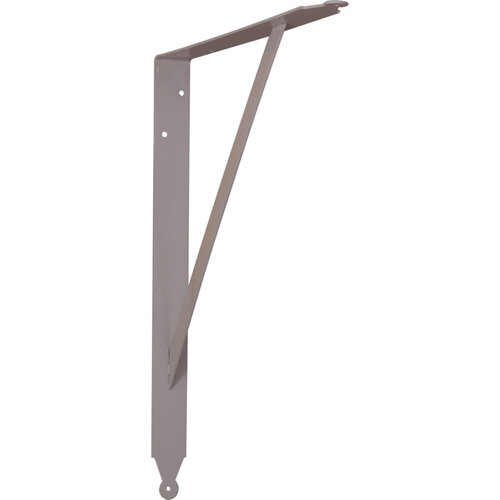
Strong Stay Bracket - 400 x 355mm
Mild steel shelf bracket, 400 by 355 millimetres, matt grey finish
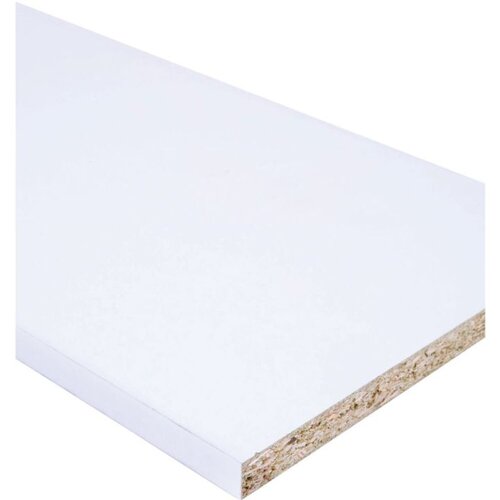
Meyer MFC Shelving FSC - 610 x 2440mm White
White melamine faced chipboard shelving board, FSC certified, 2440 x 610 x 15mm.
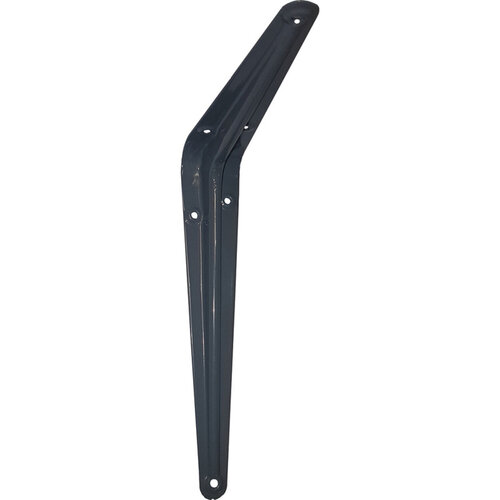
Rothley London Grey Shelf Bracket - 200 x 150mm 20 Pack
Steel shelf bracket with grey powder coating, max load 20 kg, 200 x 150mm, 20 pa…
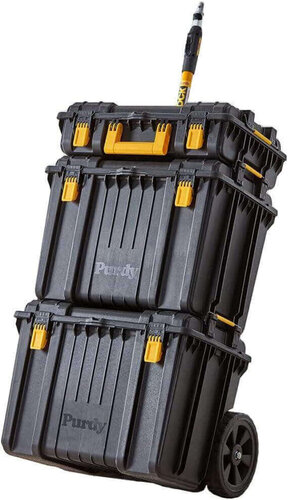
Purdy Storage Box System
Professional painter's storage box system with IP65 rating and all-terrain wheel…
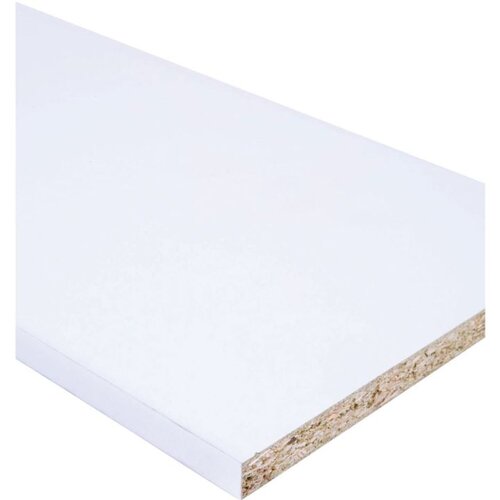
Meyer MFC Shelving FSC - 305 x 2440mm White
White FSC-certified melamine faced chipboard shelving board, 2440 x 305 x 15 mil…
For the Trade
Start with the space you’ve actually got and how the shelving will be used. That usually decides more than the finish. A narrow run, awkward corner or low ceiling changes the layout before you even look at accessories. A unit that fits the room but not the load is the one that gets changed later. If you’re working to a tighter programme, keep the spec simple and stick to what the job needs. If you need more flexibility, look at Storage & Ladders for the other options in the range. Shelving for storage should earn its place by matching access, load and footprint, not by looking tidy on paper.
Garage Shelving
For this sort of job, you’re usually weighing load, exposure, and how much punishment the shelves will take. A dry, tidy store can get by with lighter shelving. A garage usually sees damp, dirt, and heavier kit, so the finish matters as much as the frame.
If you want something that stands up to knocks and wipes down easily, Garage Shelving is the narrower buy in this range. A general shelving unit can look fine on paper, then struggle with tyres, paint tins, or site gear.
Racking
Racking is the one you go to when load and footprint matter more than finish. It suits heavier, bulkier stock where ordinary shelving starts to flex or wastes too much depth. You’ll usually put it in stores, workshops and back-of-house areas.
The trade-off is simple. You give up the lighter, neater look of standard shelving, but you get a more serious structure and easier scaling when the bay needs to grow. If you need a narrower buy within this range, Racking is the next call.
Shelf Brackets
Shelf brackets come into play when you’re fixing shelving to a wall and the support needs to be right first time. You’re usually choosing between a lighter domestic-style support and a heavier bracket when the run is long or the shelf is carrying awkward stock.
A flimsy bracket brings movement and call-backs. If you’re building shelving for storage and want the fixing side sorted properly, Shelf Brackets are the narrower buy here. The rest comes down to board type and how much weight the set-up has to take.
Storage Bins
Storage bins are what you add when the shelving is fine, but the small stuff keeps disappearing into piles. They suit fixings, fittings, consumables and mixed parts where quick sorting matters more than open shelf space.
Size is the main call. Go too small and you’re forever topping them up. Go too big and they waste shelf depth. In workshops and stores, the bins that get used most are the ones you can lift out with one hand and put back without shifting the rest of the run.
Tool Storage
Tool storage starts with what needs to stay close to hand and how often it moves. If you are sorting hand tools, fixings and small kit by job, shelving with trays or compartments usually works better than open bays. Loose gear disappears fast.
For heavier loads or mixed site kit, choose a sturdier unit with a deeper shelf and less wasted space. Wooden shelving can suit lighter loads, but metal shelving is usually the better call where tools are lifted on and off all day. The common mistake is buying general shelving and expecting it to work like shelving for tools.
Twin Slot Shelving
Twin slot shelving is the one you pick when you want a run you can adjust without starting again. It suits jobs where shelf heights may change after handover or once the client starts loading it out.
You get more flexibility than fixed shelving. You do give up a bit of simplicity, and on some jobs a cleaner look.
I’d usually steer you this way when the load is moderate, the wall is sound, and you need a tidy, serviceable setup rather than a heavy-duty storage system. Get the wall fixing and bracket layout right first, or the whole run feels compromised.
Selection Factors for Shelving & Storage
The first question is what the shelving has to carry and how often you’ll move it. For light stock, paperwork or mixed kit, lighter shelving keeps spend down and is easier to place.
If the load is awkward, bulky or likely to grow, go for a stiffer build and accept the extra weight and cost. Metal shelving is the usual call where wipe-downs and hard use matter. Timber suits lighter duty and a cleaner finish. If the job is part of a fit-out, check Office Furniture at the same time so the storage spec sits with the rest of the space.
Finish the Room
Once you’ve picked the shelving, the next call is what sits around it. In a workshop or back-of-house area, that usually means storage for fixings, labels, and small parts, plus a wall finish that can take knocks where trolleys and boxes keep catching.
If the run is going near a workbench, shelving accessories can tidy the last details and stop space going to waste. They only make sense once the layout is fixed. Fit the shelves first, then check the surrounding storage still suits the job.
Related searches
Local availability for Shelving & Storage