Storage & Ladders
storage & ladders comes down to what you need to move, store or reach, and how often it comes in and out of the job. If it’s being shifted daily, you want something that stands up to rough use and awkward access without taking up too much room. If it’s staying put, capacity and load rating usually matter more than portability. The usual mistake is buying for the biggest job on paper, then finding it’s too bulky to handle on site.
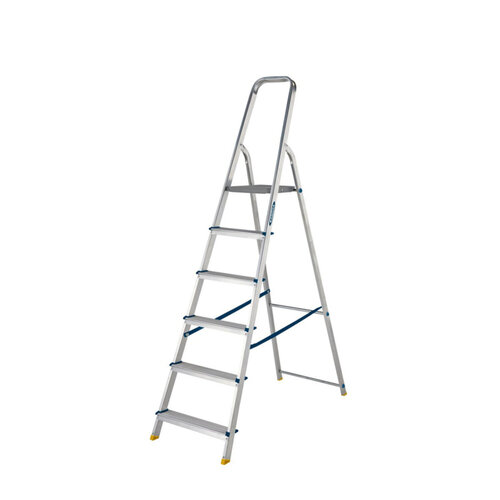
High Handrail Step Ladder - 6 Tread SWH 2.99m
6 tread aluminium step ladder with high handrail, safe working height 2.99m
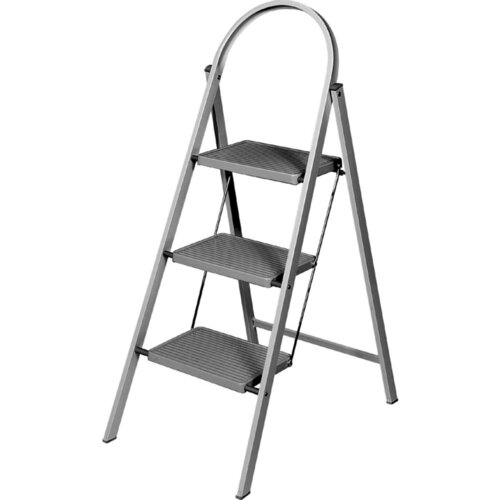
Handy Step Stool - 3 Tread SWH 2.43m
Grey steel-framed 3-tread step stool with slip-resistant feet, folds flat, top s…
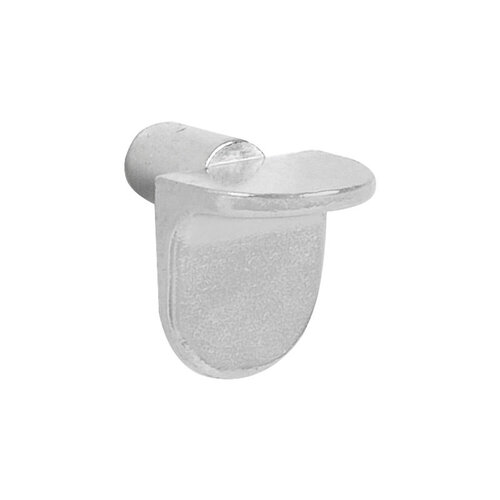
Shelf Support Stud - 100 Pack
100-pack metal shelf support studs, brushed silver, for modular shelving.
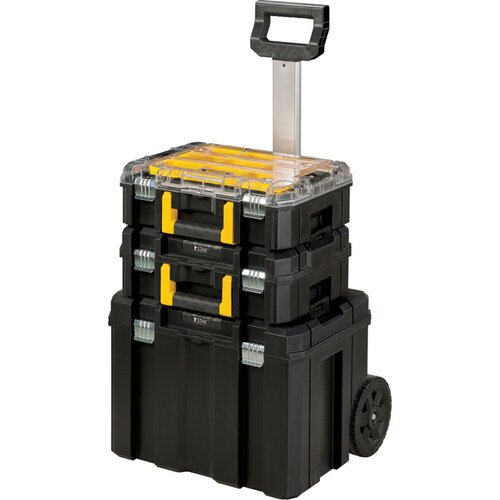
Stanley Fatmax Pro-Stack Mobile Bundle
Three-piece mobile tool bundle with wheeled case, shallow box and organiser.
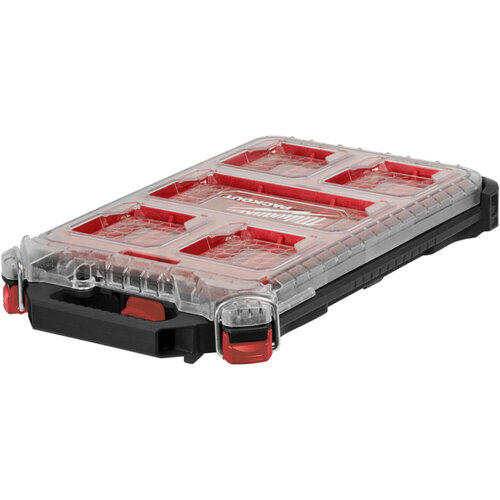
Milwaukee PACKOUT™ Compact Slim Organiser - 64 x 249 x 411
IP65 rated slim organiser, 64 x 249 x 411 mm, with 5 internal bins
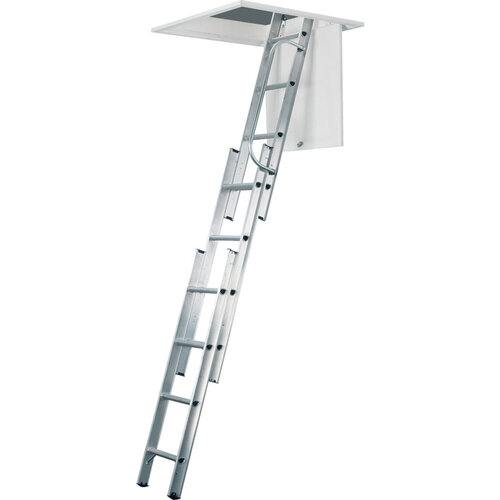
Werner 3 Section Loft Ladder & Handrail
3-section aluminium loft ladder with handrail, 150kg load, up to 3m
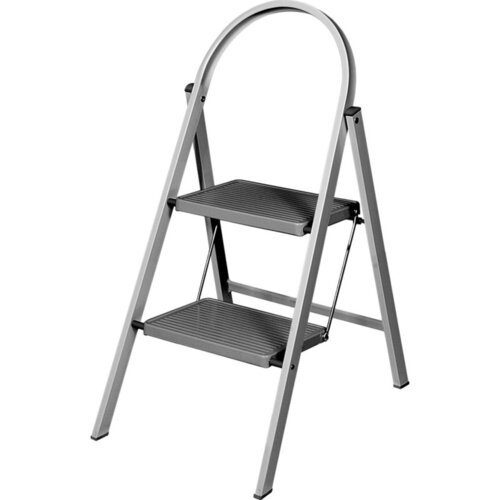
Handy Step Stool - 2 Tread SWH 2.20m
Grey steel step stool, folds flat, slip-resistant feet
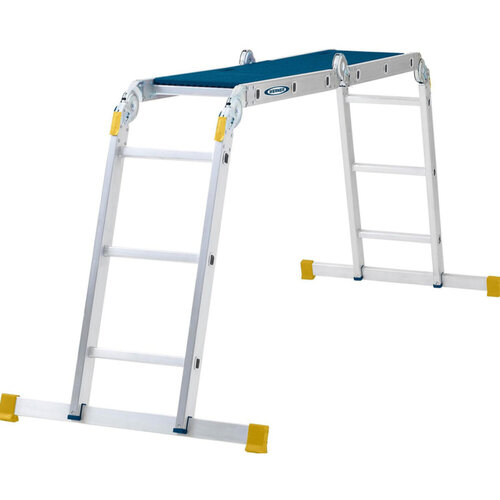
Werner Aluminium Combination Ladder - 12 Way
Werner 12-way aluminium combination ladder, 150kg max load, EN131 certified.
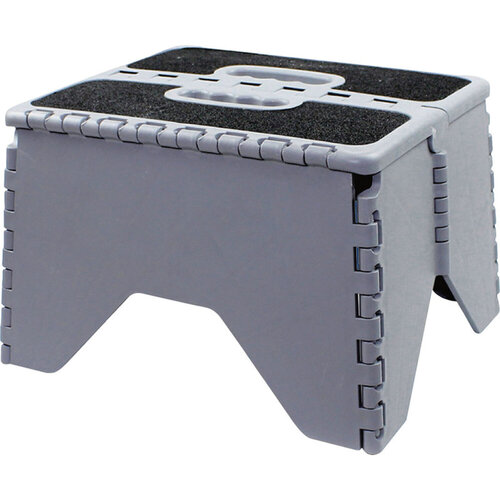
Folding Heavy Duty Step Stool - 150kg
Foldable step stool with anti-slip tread, supports up to 150kg
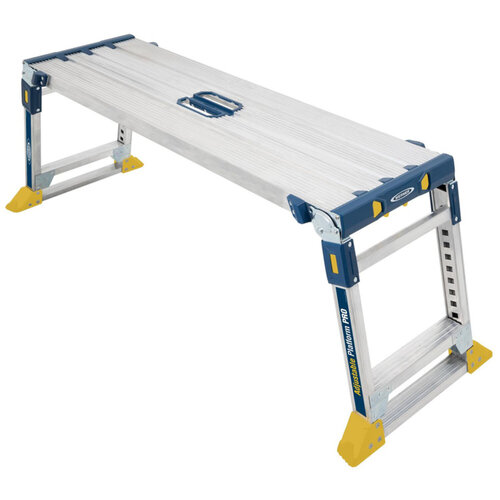
Werner Adjustable Pro Platform - 1150mm x 400mm
Aluminium adjustable work platform, 1150mm x 400mm, 136kg capacity, folds flat t…
For the Trade
Start with the space you’ve actually got and how the kit will be used. That usually decides more than finish or extras. In storage & ladders, a tight layout pushes you towards compact, mobile options. A fixed bay or workshop corner can take heavier units that stay put. If you’re moving stock, tools or parts through the job, handling matters as much as capacity. A unit that’s awkward to shift gets left in the wrong place. Once the footprint and use are clear, the rest of the choice is usually about load and access.
Ladders & Platforms
For this part of storage & ladders, you’re deciding how much access you need and how often it needs to move. Fixed kit suits a bay or workshop corner where it can stay put. If it has to travel between jobs, go lighter and easier to handle, even if that means giving up some capacity.
The usual mistake is buying for the biggest job, then finding it’s awkward in the van or on the stairs. If you’re narrowing it down further, Ladders & Platforms is the next stop when the job is more about safe working height than storage.
Manual Handling
For Manual Handling, movement comes first. If the kit has to be shifted through a live site, loaded in and out of a van, or moved by one person, weight and balance matter more than bulk.
That is where storage & ladders choices split. Some are built to stay put. Others earn their place because they save time on repeated moves and are less likely to get left in the wrong place. If the job is more about fixed storage, look elsewhere in the range.
Office Furniture
Office Furniture sits at the fixed end of the range. It suits paperwork, small kit, and layouts that need to stay orderly.
The rest of storage & ladders leans more towards access, movement, and rougher handling. Office pieces give you a tidier finish and a more settled setup. They are not the right fit if you need storage that gets shifted around the site.
Shelving & Storage
Shelving & Storage is the bit you pick when the job is about keeping stock, fixings, tools or consumables in order rather than moving them around all day. You’re usually choosing between open shelving, rack-style storage and stackable containers. The call comes down to what needs to stay visible, what needs to stay off the floor, and how much weight the unit will actually carry.
Open shelves are quicker when you’re in and out of it all day. Containers keep smaller parts together, but they slow you down if you’re dipping in and out. If it needs to stay put and take a heavier load, go that way. If access matters more, lighter storage shelves are usually the better call.
Selection Factors for Storage & Ladders
Start with how hard the kit will be worked. If it moves often, lighter frames and mobile storage trolleys save time, but you give up some load capacity and stability.
For fixed bays or heavier stock, storage racks and heavier shelving systems make more sense because they stay put and take punishment. The trade-off is less forgiveness in tight access.
Stackable storage containers suit small parts that need sorting. Larger open units are quicker for bulk items. Most call-backs start with the wrong mix - too much capacity in the wrong place, or not enough access where you need it.
Finish the Room
Once the main kit is chosen, the next call is what needs to sit around it and stay in order. If you’re finishing a workshop or van setup, storage trolleys and stackable storage containers usually come next. They keep fixings, consumables and loose tools separated without taking over the floor.
Where you need more fixed capacity, storage racks or shelving systems make more sense. They take more space, but they give you a proper home for heavier kit. Mobility and quick access on one side, bulk and load-bearing capacity on the other.
Related searches
Local availability for Storage & Ladders