Bolsters & Wrecking Bars
Choose bolsters and wrecking bars around the job in front of you. A bolster chisel suits cutting brick or block, splitting, and trimming. Reach for a wrecking bar when you need leverage, not a clean cut. The trade-off is simple - a heavier bar moves more, while a thinner chisel needs more care but usually leaves a cleaner break.
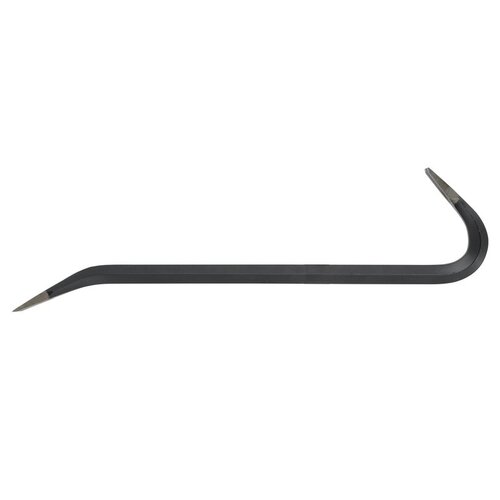
Minotaur Wrecking Bar - 14" (350mm)
Minotaur 350 millimetre carbon steel wrecking bar with a nail remover
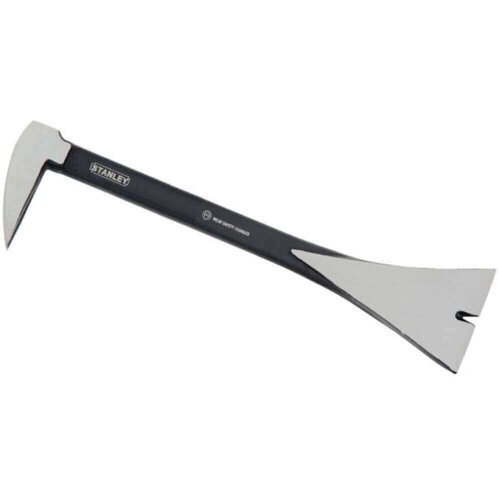
Stanley Precision Moulding Pry Bar - 250mm 10"
250 mm forged high-carbon steel pry bar with polished bevel claws for clean moul…
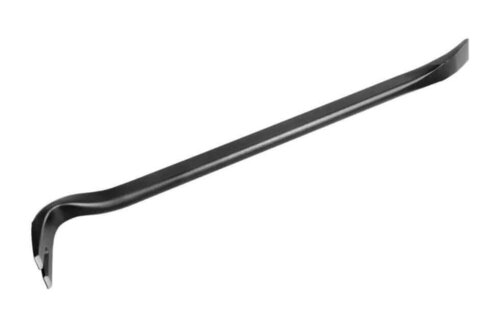
Tolsen Industrial Wrecking Bar - 600mm
Forged carbon steel wrecking bar, 600 mm, powder coated
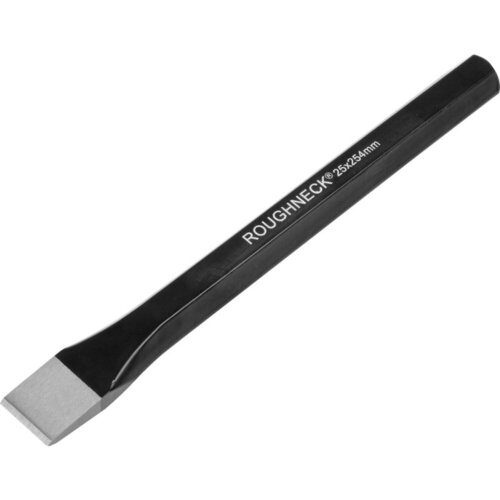
Roughneck Cold Chisel - 25 x 254mm
Hardened steel cold chisel, 25 x 254mm, hexagonal shank
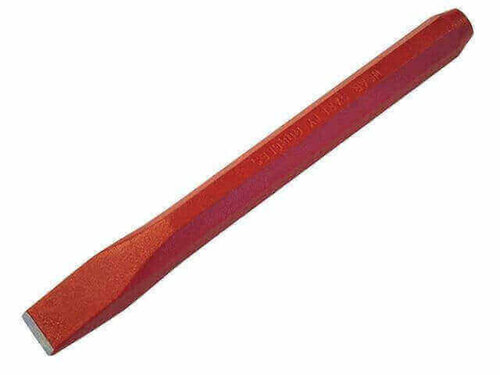
Faithfull Cold Chisel - 13mm x 200mm
Cold chisel, 13mm wide, 200mm long
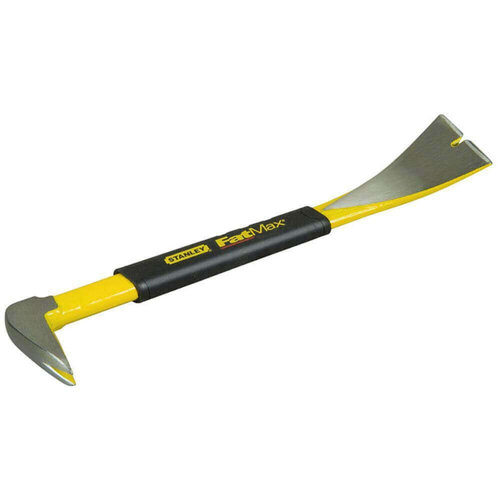
Stanley Fatmax Spring Steel Moulding Bar - 250mm
Spring steel moulding bar with polished tips and non-slip grip, 250mm
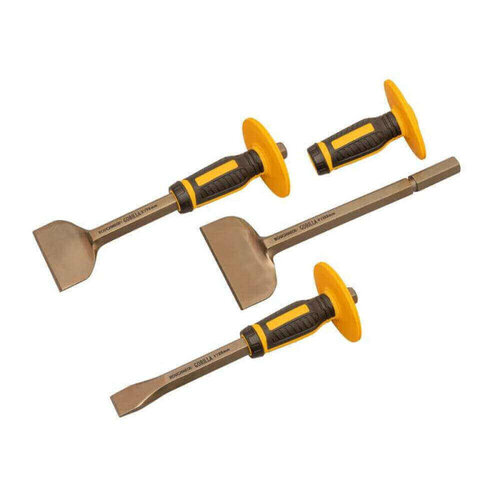
Roughneck Bolster & Chisel Set with Non-Slip Guards - 3 Piece
3-piece bolster & chisel set with non-slip guards, chrome vanadium steel
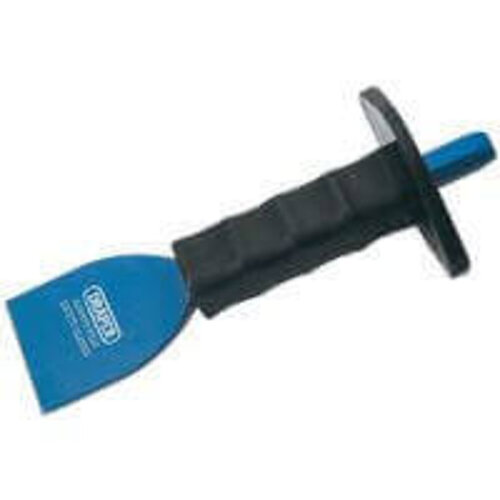
Draper Electrician's Bolster with Hand Guard - 225mm x 60mm
For levering and cutting floorboards with impact absorbing grip, 225x60mm
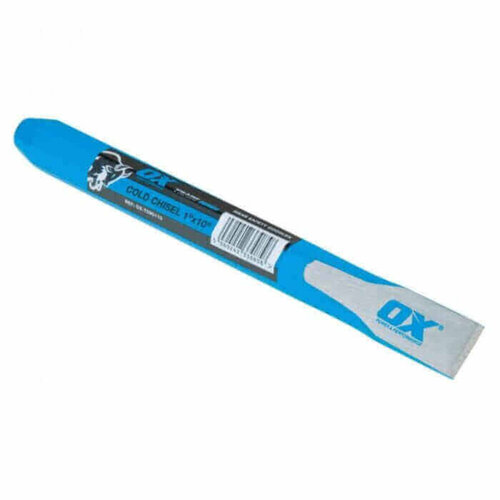
OX Tools Trade Cold Chisel - 25mm x 250mm
OX Tools forged steel cold chisel, 25 x 250mm, for cutting and shaping metal
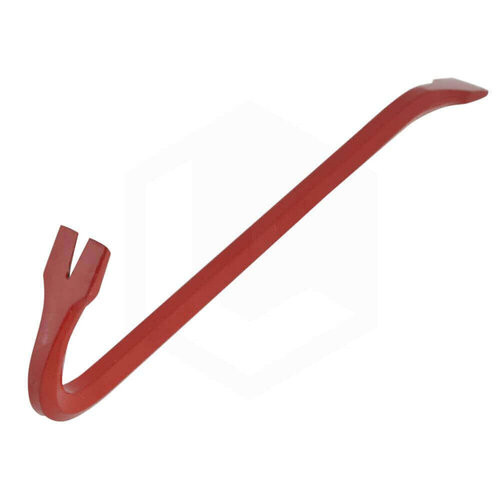
Faithfull Wrecking Bar - 300mm (12")
Wrecking bar, 300mm (12")
For the Trade
Start with the space you’ve got and how you’re using the tool, then the rest usually sorts itself out. Tight access and close work call for more control, so a bolster chisel or brick bolster tends to get picked up first. If you need reach or leverage for prising and pulling, a wrecking bar makes more sense. Weight matters too. A heavier tool will take more punishment, but it also brings less finesse when the work is close up. Wrong length is what usually causes the hassle, not the finish.
Popular Bolsters & Wrecking Bar Formats
A bolster chisel is the one you reach for when you need control and a square striking face. It suits brick and masonry work where you are taking out a section rather than just prising.
A brick bolster is the closer fit when the job is mainly splitting or trimming masonry. A wrecking bar suits demolition and levering, where the tool is doing more prying than cutting.
That is the trade-off. The chisel gives you more accuracy. The bar gives you more reach and leverage. Pick the wrong one and the job slows down.
For the rest of the kit, keep it with the Hand Tools range.
Key Differences When Choosing
For bolsters and wrecking bars, start with what the job needs from the tool. A bolster chisel or brick bolster suits trimming masonry when you need the strike to stay square. A wrecking bar is the better pick for prising, lifting, or getting behind fixed material.
Longer bars give you more leverage. They are harder to control in tight spots, and easier to overdo. If you are also picking up general site kit, Building Tools covers the broader end of the job, while Clamps & Spreaders is for holding things steady rather than breaking them apart.
Next Decisions After Choosing
Once you’ve picked the tool, the next call is what else the job needs around it. If you’re breaking out masonry, you’ll usually want building tools and clamps and spreaders ready for the follow-on work, rather than stopping to fetch them later.
Where the job is more about opening up, a wrecking bar saves time. It also leaves you needing the right fixings, screens or finishes to close everything back in cleanly. That’s the bit that usually gets missed. The demolition tool is only one part of the order.
Related searches
Local availability for Bolsters & Wrecking Bars














