Building Tools
Building tools come down to what you’re doing most of the day: general site work, heavier masonry jobs, or a mixed bag where you need a bit of everything without carrying dead weight. The usual split is between lighter, all-round trade tools and heavier-duty options that take more abuse but can be slower to handle. Longer-handled or bulkier formats help on rough work, while compact pieces are easier when access is tight. Match the format to the work, not just the name on the box.
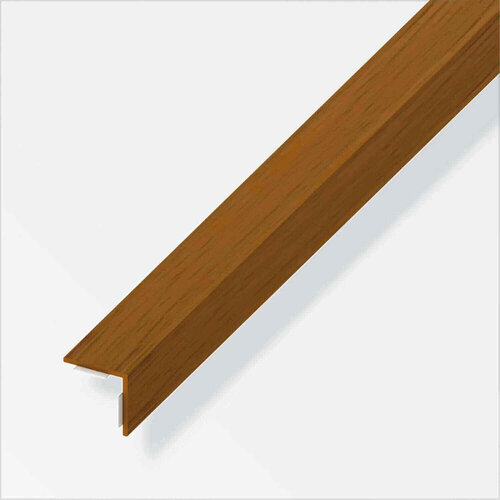
Rothley PVC Equal Angle Self-Adhesive Profile - 1m x 20mm x 20mm Dark Oak
Self-adhesive PVC equal angle profile 1m x 20mm x 20mm dark oak
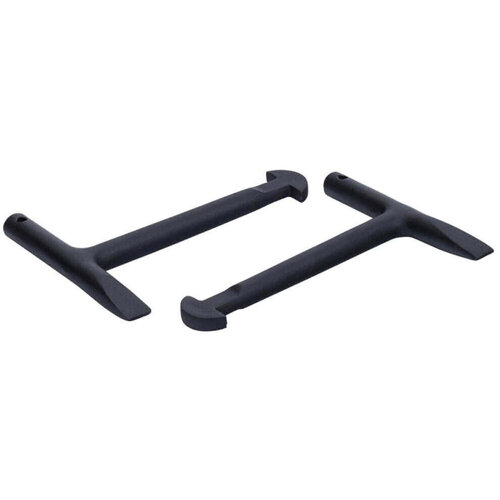
OX Trade Manhole Cover Keys
Heavy-duty iron manhole cover keys, D-shaped ends, pack of 3
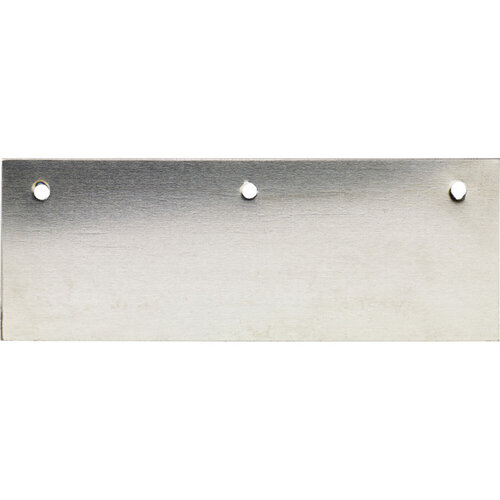
Bulldog Premier Floor Scraper - Replacement Blade
Replacement blade for Bulldog Premier Floor Scraper, 205mm width
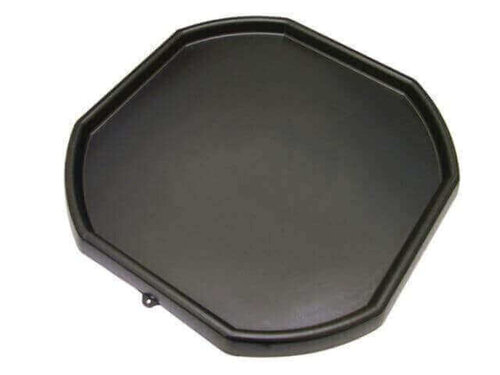
Faithfull Octagonal Mortar Mixing Spot Board - 1000mm x 1000mm
Faithfull octagonal mortar mixing board, 1000 x 1000 millimetres, lightweight wi…
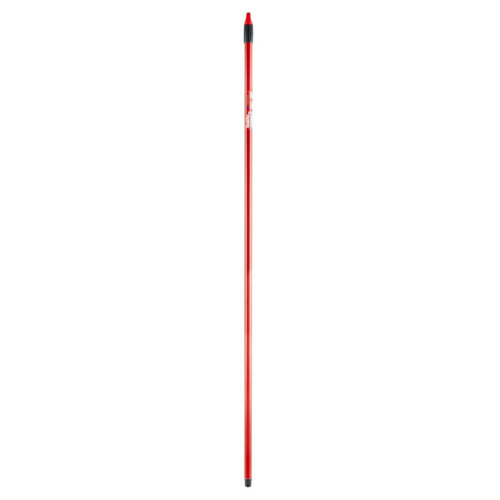
Tonkita Metal Handle - 130cm
Steel handle with anti-rust coating, 130cm, Italian screw attachment
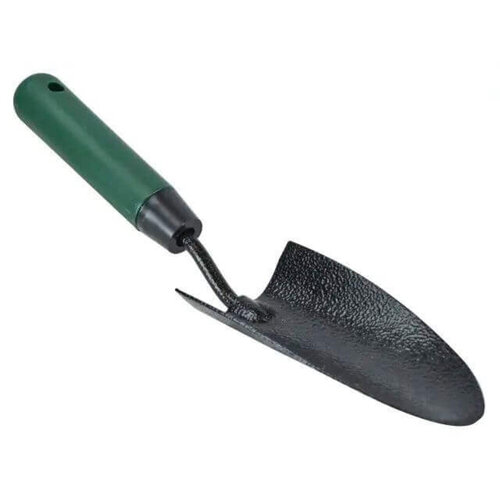
Faithfull Essentials Hand Trowel
Faithfull Essentials hand trowel
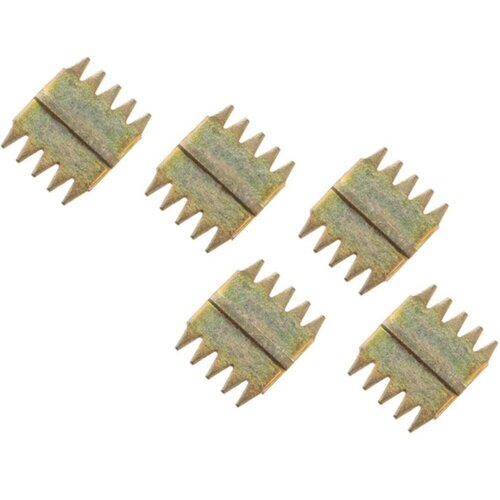
Armeg Scutch Comb Set - 25mm 5 Pack
25mm scutch comb set, 5 pack for masonry preparation
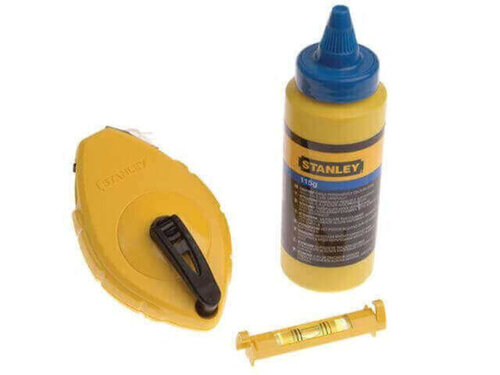
Stanley Chalk Line & Blue Chalk & Level - 30m
30m chalk line kit with blue chalk and line level in ABS case
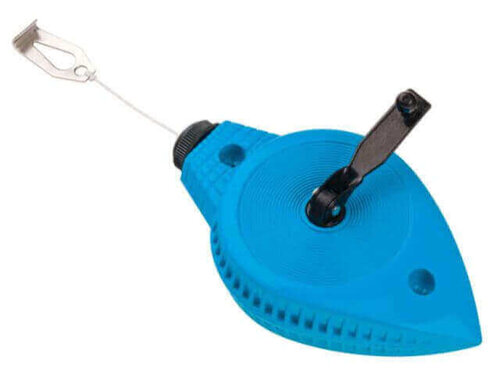
OX Tools Trade Heavy Duty Chalk Line Reel - 30m
Heavy-duty 30m chalk line reel with cast metal body and plumb bob function
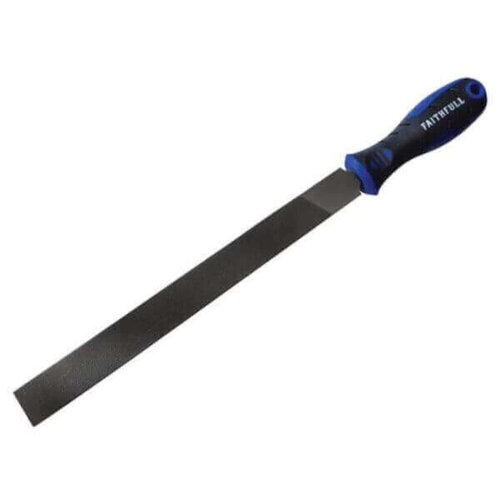
Faithfull Handled Hand Bastard Cut Engineers File - 250mm
250mm bastard cut engineer's file with comfortable handle.
For the Trade
Start with the space you’ve got and how the job will be used, then narrow the rest from there. If access is tight or you’re carrying gear in and out all day, lighter, simpler building tools usually make more sense than bulkier options that slow you down. Where the work is harder on the tool, you’ll want heavier-duty trade tools with a bit more life in them, even if they cost more up front. Finishes and extras matter, but they come after layout, handling and day-to-day use. That’s usually what decides what stays in the basket and what gets left on the counter.
Building Tool Options Compared
At this level, you’re usually choosing between general building tools for mixed day-to-day work, trade building tools when you want a bit more durability without going overboard, and heavy duty building tools when the kit is going to take repeated punishment.
Professional building tools sit in the middle if you want a better finish and longer service life, but don’t need the heaviest spec. The usual mistake is buying on name alone and ending up with more weight or less resilience than the job needs.
If you’re building out a full kit, keep the parent Hand Tools page in mind and narrow from there.
Choosing Materials and Size
For building tools, start with what’s taking the load and what’s getting knocked about. On rough, repeated work, heavier steel and thicker sections usually earn their keep. If you’re carrying gear all day or working in tight access, lighter formats are easier to handle, but they’ll show wear sooner.
Length matters too. Longer tools give you more reach and leverage, but they’re harder to swing or store in a crowded van. When the job needs more force than finesse, look at Bolsters & Wrecking Bars. If you need to hold, align or pull parts into place, Clamps & Spreaders is the next stop.
Completing the Setup
Once you’ve picked your building tools, the next call is usually what finishes the surrounding work and keeps the job tidy while you’re at it.
On a masonry job, that often means bolsters and wrecking bars for breaking out, or clamps and spreaders where you’re holding sections true before the next fix goes in. If the work is still moving around the room, storage and protection for the finished face become the next buy. That’s where the job shifts from heavy-duty building tools to the bits that keep the rest of the work clean and controlled.
Related searches
Local availability for Building Tools














