Clamps & Spreaders
When you're choosing clamps and spreaders, start with what you're holding and how much pressure you need without marking the work. Bar clamps and quick release clamps suit most general joinery because they're quicker to set and easier to use one-handed. Spring clamps are the lighter option for temporary holds and smaller jobs. If you need to open a frame or correct a twist, spreaders do the opposite job, so you're not forcing a clamp to do both. The usual mistake is a clamp that's too short or too light for the material.
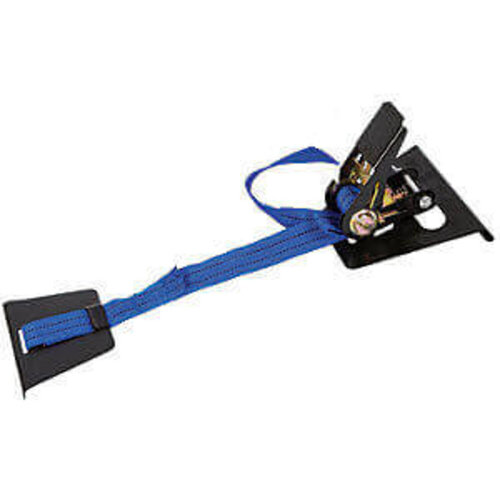
Vitrex Tension Strap
Tension strap to hold solid wood flooring tight during fitting
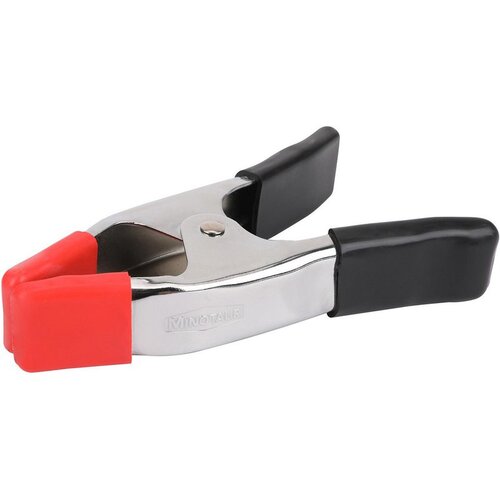
Minotaur Metal Spring Clamp - 2"/51mm
Metal spring clamp with 180 N clamping force and PVC grip
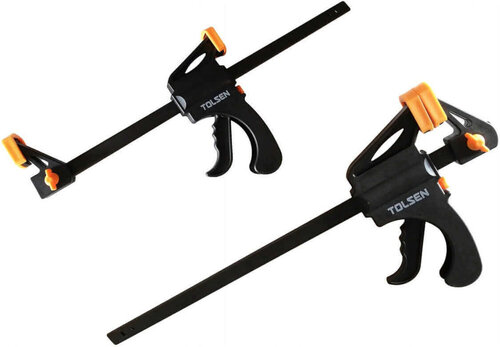
Tolsen Quick Ratchet Bar Clamp Hard Plastic Body, Soft Non-Marking Pads - 18" Bl…
Quick ratchet bar clamp with non-marking pads, 457mm (18 inch)
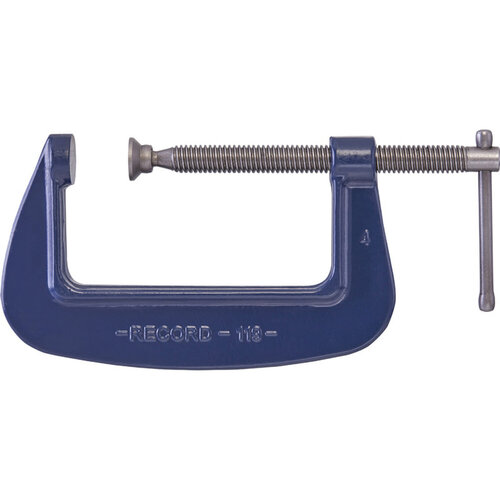
Irwin Record G-Clamp Medium Duty - 4"
Medium-duty 4-inch G-clamp with drop-forged steel frame and swivel shoe
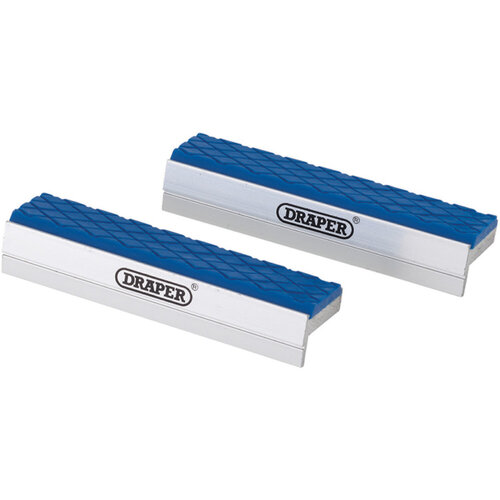
Draper Soft Vice Jaws - 100mm Pair
Soft vice jaws, 100mm pair, with magnetic rubber face
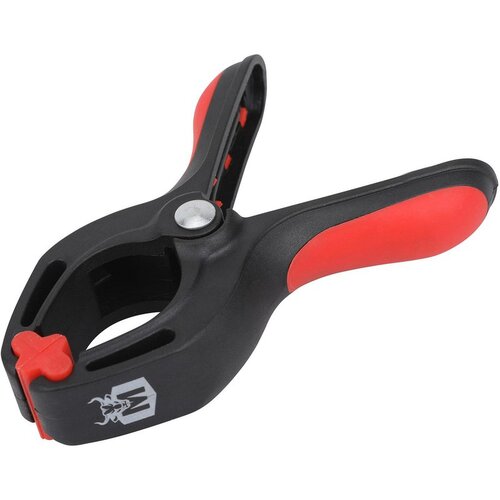
Minotaur Spring Clamp - 1"/26mm
Minotaur 26-millimetre spring clamp with up to 100N clamping force
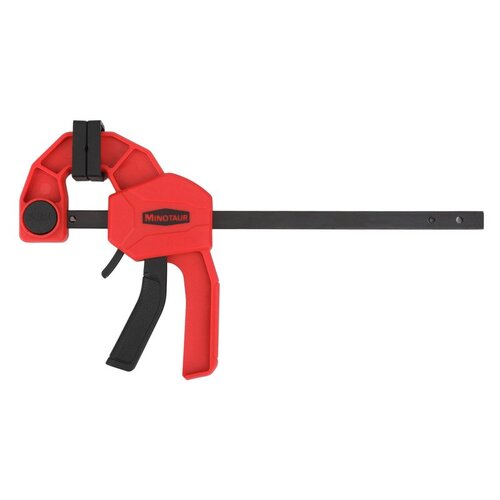
Minotaur Quick Release Bar Clamp & Spreader - 150mm (6")
150 millimetre quick-release bar clamp and spreader
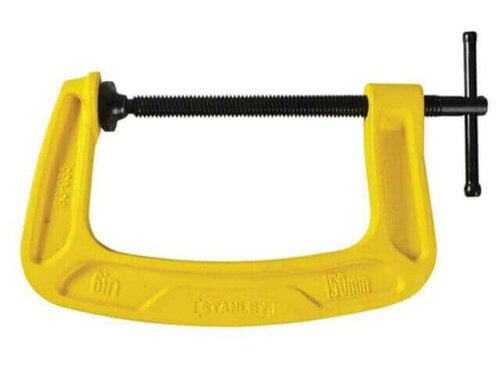
Stanley Bailey Heavy-Duty G Clamp - 150mm
Heavy-duty G clamp with 150mm capacity, 680kg clamping force, and corrosion-resi…
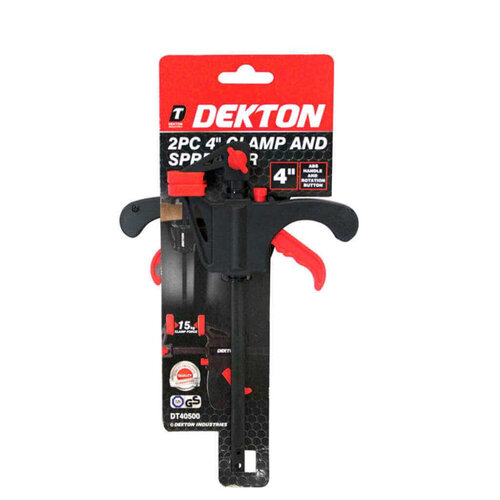
Dekton Clamp and Spreader - 4" 2 Pack
Dekton 2-piece 4" clamp and spreader, 15kg force, quick grip
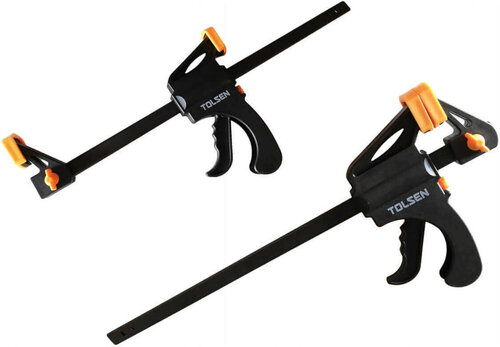
Tolsen Ratchet Bar Clamp - 12" Hard Plastic Body, Black Finish Bar
12-inch ratchet bar clamp with hard plastic body and black finish bar.
For the Trade
Start with the space you’ve got and how you’ll handle the job, because that usually matters more than the finish or any extra features. In tight spots, shorter clamps and quick release clamps are easier to live with. If you need reach across wider sections, bar clamps make more sense, but they take more room and can be awkward where access is poor. Spreaders come into their own when you need pressure pushing out rather than pulling in. With clamps and spreaders, the real call is pressure, clearance, and how often you’ll be moving them during the job.
Popular Clamps & Spreader Formats
For most jobs, you’re choosing between clamps that hold fast while you work and spreaders that push parts apart when the fit’s tight.
Bar clamps and quick release clamps suit repeat holding where you want one-handed adjustment and less faffing. They slow you down a bit if you’re moving from piece to piece.
Spring clamps are the quick grab option for light pressure and temporary holds. They’re not the one to reach for when the job needs real force.
If you’re buying for mixed site work, it’s usually better to keep a few of each than try to make one type do everything. If you’re building out the rest of your kit, the right Hand Tools range helps you keep the holding gear matched to the job instead of overbuying one format.
Key Differences When Choosing
What usually decides it is pressure, reach and how often you need to switch from holding to spreading.
Bar clamps suit wider work. They give you length and steadier pressure. The trade-off is size. They take up more room in the box and are slower to move around.
Quick release clamps earn their keep when you’re making repeated adjustments. You lose a bit of control compared with a screw-up style clamp, but you gain speed.
Spring clamps still have a place for light, temporary holds. Use them when you just need a third hand.
If the job turns rough rather than precise, move over to Bolsters & Wrecking Bars. For general site fixing and setting-out, Building Tools usually makes more sense.
Next Decisions After Choosing
Once you’ve picked the clamps and spreaders, the next call is what they’re sitting against and what needs protecting. If you’re holding panels or screens, check the face pads and jaw shape first. A clamp that marks the edge is the one that gets swapped out on the next job.
For storage or fitted finishes, you may need a cleaner hold and a bit more reach rather than brute force. From there, trades usually move on to the surrounding fixings and finishing kit. If the job is heading into heavier making-good, the next stop is often bolsters and wrecking bars or building tools rather than another set of clamps and spreaders.
Related searches
Local availability for Clamps & Spreaders











