Cleaning & Prep
Start with the finish you’re working to and how much needs shifting before you begin. Light dusting and wipe-down jobs need different prep tools from heavier scraping or abrasion, and the wrong pick can leave contamination behind or take too much off the surface. If you’re dealing with paint, plaster or adhesive residue, choose the tool that suits the substrate and the amount you need to remove, not just the quickest-looking option.
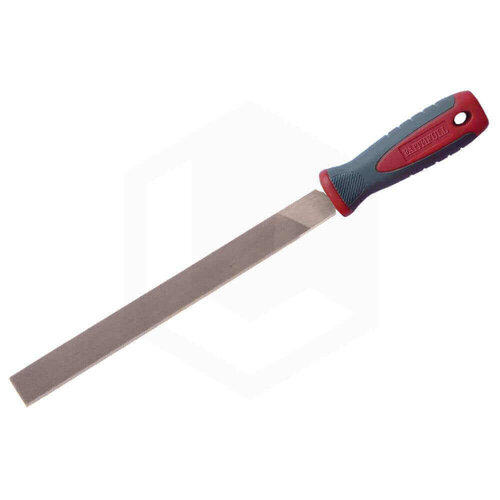
Faithfull Handled Hand Second Cut Engineers File - 200mm 8"
Faithfull 200mm handled second cut engineers file
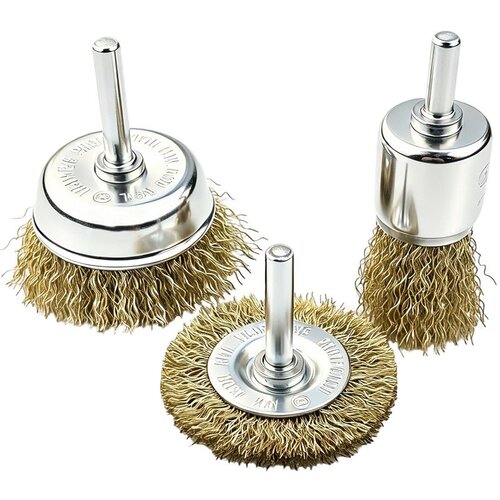
Straight Shank Assorted Wire Brush Set - 3 Piece
Three-piece steel wire brush set with 6 millimetre straight shank
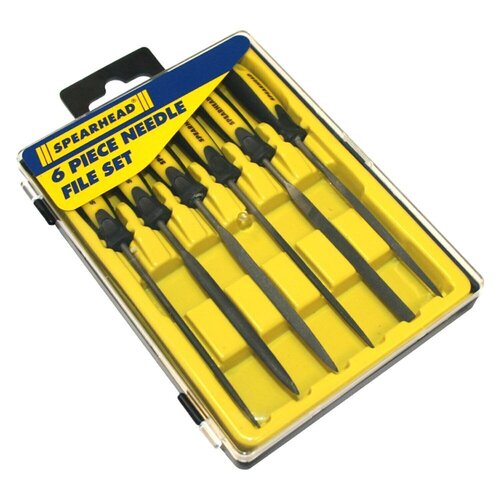
Spearhead Mini Needle File - 6 Pack
Set of 6 precision mini needle files for metalworking and fine finishing
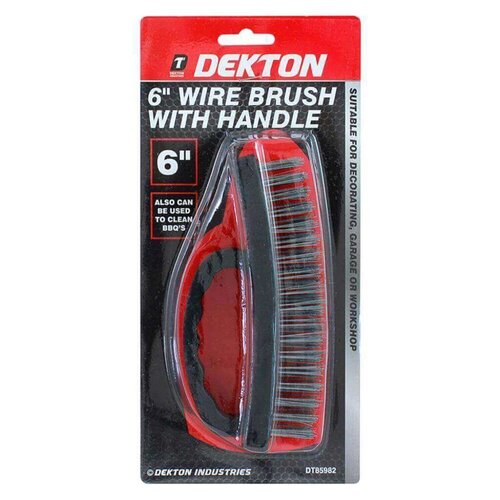
Dekton Wire Brush with Grip Handle
Dekton 6-inch wire brush with brass bristles and grip handle, for cleaning BBQs …
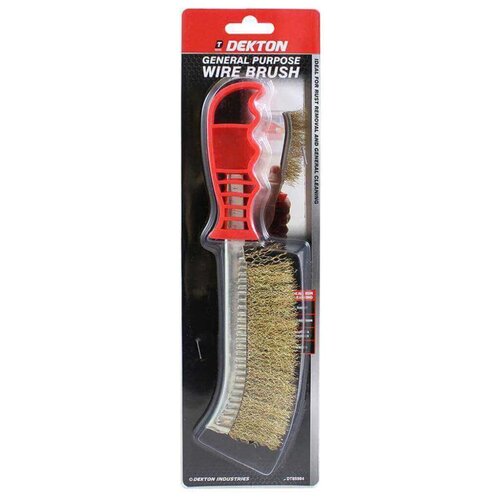
Dekton General Purpose Wire Brush
Brass coated wire brush for rust and paint removal
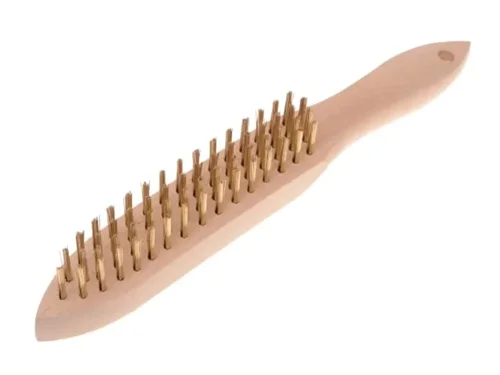
Faithfull Lightweight Scratch Brush Four Row
Four-row scratch brush with hardened wire bristles and beech handle
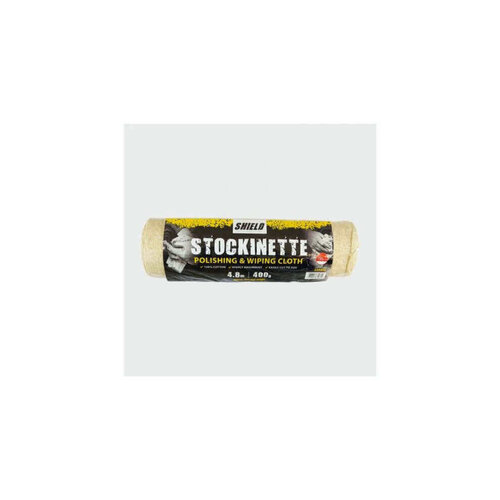
Timco Stockinette Roll Cotton - 400g
Cotton stockinette cleaning roll, highly absorbent, 4.8 metres, 400g.
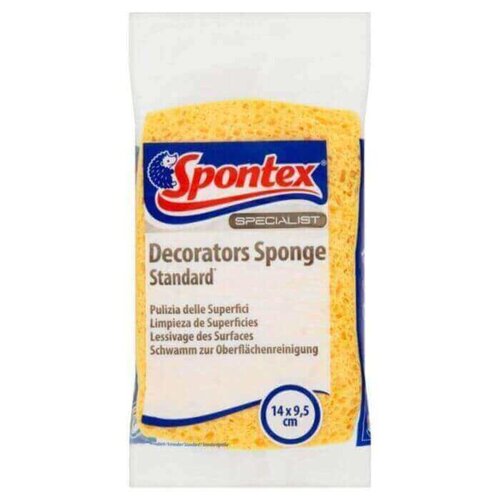
Spontex Decorators Sponge
100% natural cellulose decorators sponge holding up to 20x its weight in water.
For the Trade
Start with the space you’ve got and how the job will be used. That usually settles the cleaning and prep kit before you look at anything else. A compact set works where access is tight or you’re moving room to room. Larger prep tools suit open areas and heavier work, where you want to cover more ground without swapping kit every few minutes. The usual mistake is buying for the finish you want rather than the mess in front of you. Once the layout and use are clear, balance reach, control and speed.
Cleaning & Prep Types and Layouts
With cleaning and prep, the first call is how hard the job is and how much control you need. Basic prep tools suit quick clearing work when you want something light in hand. They cost less and move fast, but you give up reach and leverage.
Cleaning tools fit the jobs where you need to shift dust, residue or surface contamination before the next trade goes in. That helps you avoid chasing faults later. Cleaning and preparation tools sit between the two when you want one set to cover both stages, though they rarely match a focused option for either task.
If you are building out the rest of the kit, keep it aligned with the rest of your Hand Tools range rather than buying a mixed bag that leaves gaps.
What to Check Before You Buy
The first check is how hard the surface is and how much control you need. For light residue and general tidy-up, smaller prep tools are quicker in the hand and less tiring over a long run. They will slow you down if the build-up is heavy.
Once you’re into stubborn material or rough edges, you need more bite and a firmer edge, even if you give up some finesse. That is where Bolsters & Wrecking Bars come in for heavier removal. Clamps & Spreaders make more sense when you need to hold or open work rather than clear it.
Useful Alongside Cleaning & Prep
Once you’ve picked your cleaning and prep tools, the next question is what needs protecting or finishing around the work. If the area has to stay live, get screens, panels or temporary storage sorted before you start. Otherwise you end up working round the mess twice.
If the job ties into existing finishes, check what wall or surface finish is going back on. That often changes how much prep you need and what you hold back for the next trade. On tighter jobs, access is usually the issue. The wrong setup slows the job more than the cleaning and prep itself.
Related searches
Local availability for Cleaning & Prep














