Electrical Tools
Electrical tools start with the job in hand - installation, maintenance, or fault-finding. That tells you whether you need insulated electrical tools, electrical screwdrivers, electrical cutters, or electrical test tools. If you’re working live or near it, don’t cut corners on insulation. For general fitting work, a lighter electrician tools selection is often enough and easier to carry.
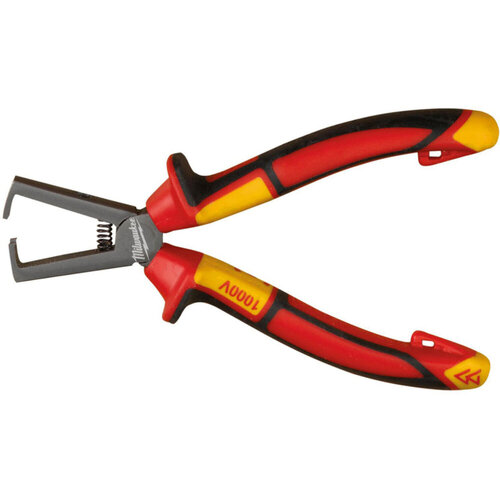
Milwaukee VDE Wire Stripping Plier - 160mm
VDE-rated 160mm wire stripping plier with ergonomic softgrip handle.
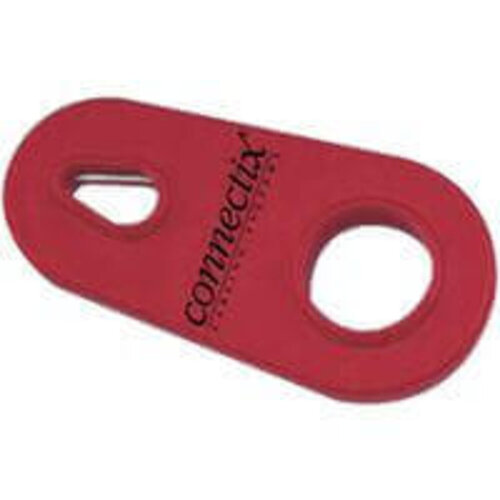
Cable Stripper
Strips UTP, FTP and RG58/RG59 coaxial outer jackets with encapsulated blades for…
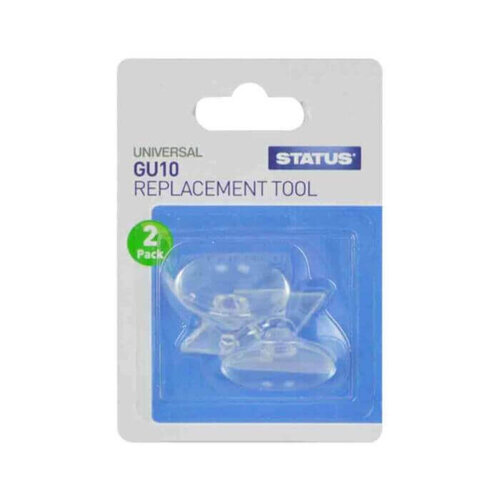
Status Halogen GU10 Replacement Fitting Tool - 2 Pack
2-pack tool for replacing GU10 halogen lamps.
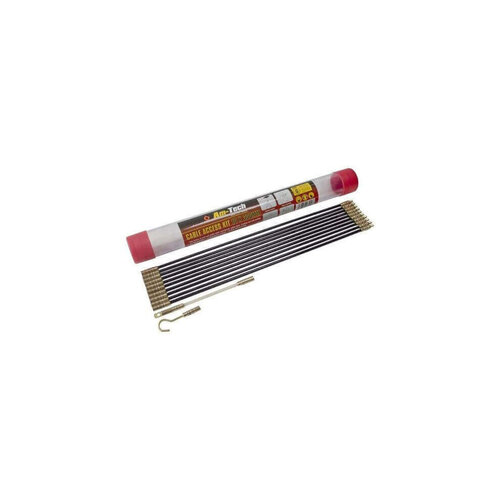
Cable Access/Wire Installation Rods Tool Set - Toolbox size 10 x 33cm Short rods
Cable access rod set for routing wires under floors and through cavities
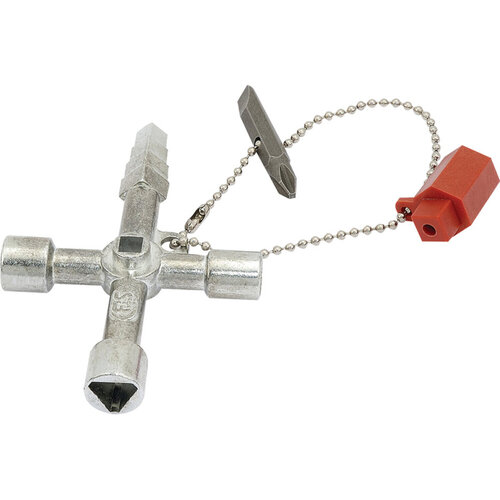
Draper Expert Utility Key - Professional
Metal utility key with square, triangle, circle profiles and 7mm plain/cross slo…
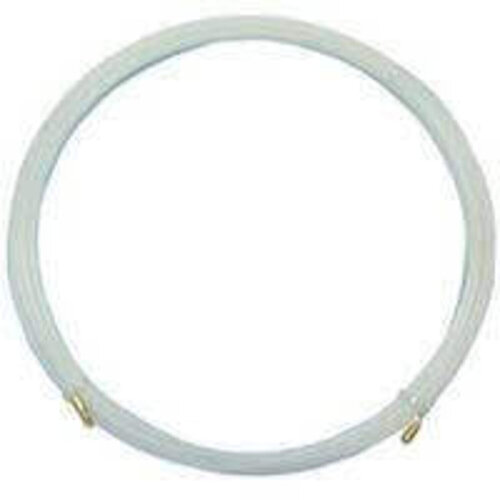
Norslo Nylon Draw-In Tape - 30m
30m nylon draw-in tape for cable pulling
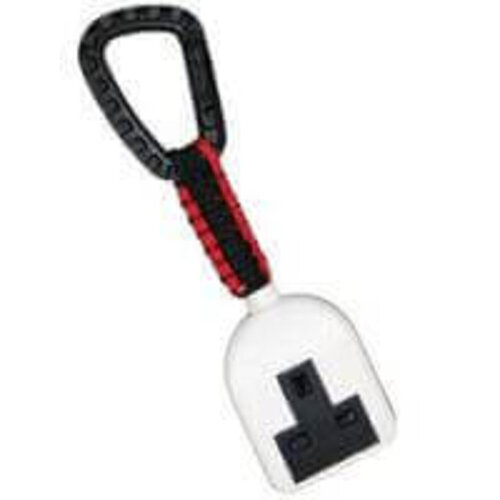
Super Rod Jakoda Socket Tester Holder - 230mm 1 Gang White
2-in-1 socket tester holder and MFT nulling device, 230mm white
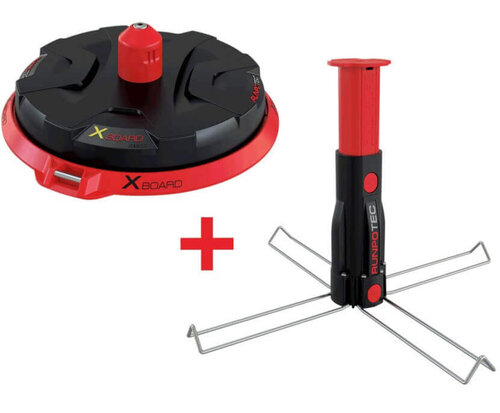
Runpotec X Board XB 300 with Multi-Function Mandrel
Universal cable drum rewinder/unwinder with 300kg load capacity and telescopic m…
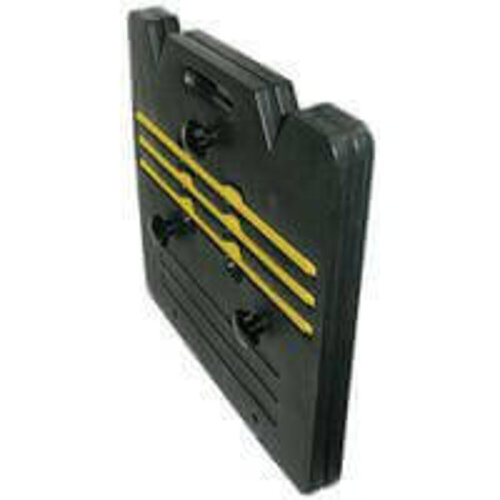
Super Rod Cable Jack Plus - 70kg Black
70 kg capacity cable jack, black
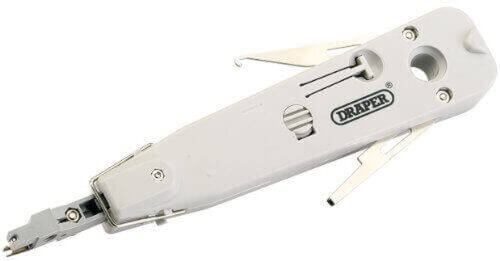
Draper Punch Down Tool
Punch down tool for terminating network and telephone cables
For the Trade
Start with the space you’ve got and how the job will be used, then narrow the electrical tools from there. A cramped board or tight riser usually rules out bulky handles and long bodies. A bigger install gives you more room to choose for reach and grip instead of just size. After that, the task drives the spec. Electrical screwdrivers suit repeat fixings. Electrical cutters come in where clean cuts matter. Electrical test tools make sense when you need the right checks without carrying more than you’ll use. Insulated electrical tools are the safer call for live work, but they are heavier and less nimble, so you only buy that where it earns its keep.
Electrical Tool Options Compared
The first split is between general professional electrical tools and the insulated or VDE end of the range. Standard electrical screwdrivers, cutters and test tools suit routine fitting and maintenance. They cover the day-to-day work without adding extra weight or cost.
Insulated electrical tools come into play when the job or site rules call for live working protection. VDE electrical tools push that spec higher, but you pay for it in cost and bulk. They are not the everyday choice for every van.
A decent set of electrical cutters or test tools is worth having on their own if you use them hard. Mixed sets often leave you with one weak piece. If you are filling out the rest of the kit, Hand Tools is the parent range to keep in mind.
Choosing Materials and Size
What usually decides electrical tools is the job mix, not the badge. If you're doing repeat fitting, lighter electrical screwdrivers and cutters are usually enough and keep the bag lean.
If you move between install and maintenance work, a broader electrical tool kit saves you swapping back and forth. For live work, insulated electrical tools are the call, but you do give up a bit of bulk and sometimes a bit of feel.
When the job turns rough and you need to open up or shift material, Bolsters & Wrecking Bars sit outside the normal electrician's tools set. For holding and lining things up, Clamps & Spreaders are the next buy.
Completing the Setup
Once you’ve picked your electrical tools, the next call is what you’re carrying them in and what the job leaves behind. A proper electrician’s tool kit usually needs storage that keeps cutters, screwdrivers and test gear together, rather than loose in the van where the sharp ends get knocked about.
If the job turns rough, you may also need bolsters and wrecking bars or clamps and spreaders from the wider hand tools range. Panels and screens come into it where access is tight and the surrounding work needs a cleaner finish.
Related searches
Local availability for Electrical Tools












