Hammers & Axes
hammers and axes come down to what you’re doing with them day to day. A claw hammer or framing hammer suits fixing work. A club hammer or sledge hammer gives you more weight. A brick hammer or cross pein is the pick when the face matters. Handle choice matters too. Fibreglass usually takes the edge off vibration. Steel shaft hammers feel more direct, but they’re harsher in the hand. For mixed work, a general purpose hammer is the compromise. For repetitive jobs, the right pattern saves you fighting the tool.
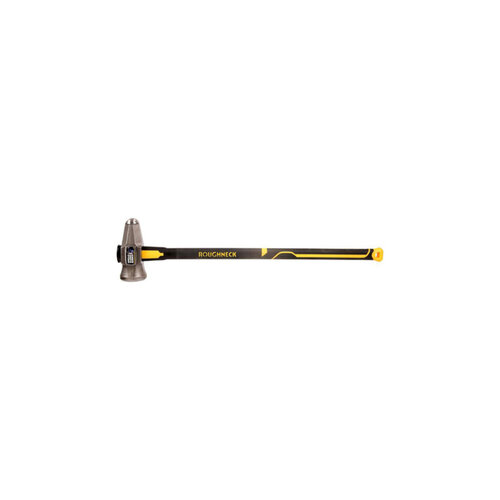
Roughneck Gorilla Sledge Hammer - 10lb (4.55kg)
10lb sledge hammer with fibreglass handle and multi-purpose striking faces
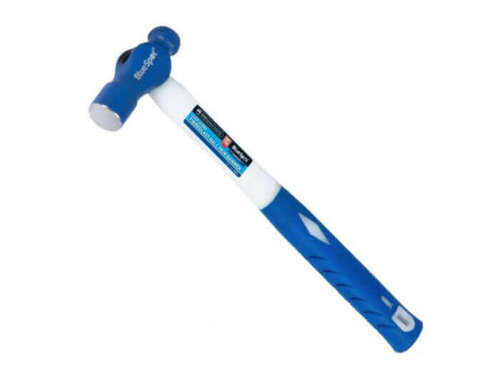
Blue Spot Ball Pein Hammer Fibreglass Shaft - 24oz
24oz ball pein hammer with fibreglass shaft for metalwork
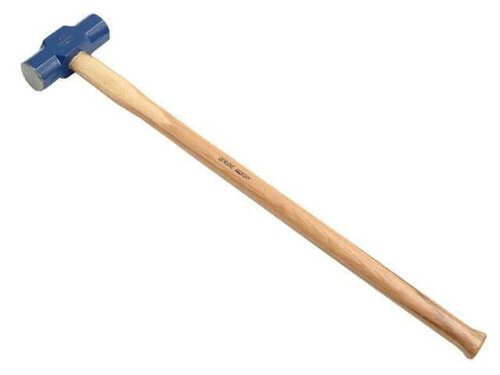
Faithfull Sledge Hammer - 10lb hickory handle
10lb sledge hammer with hickory handle
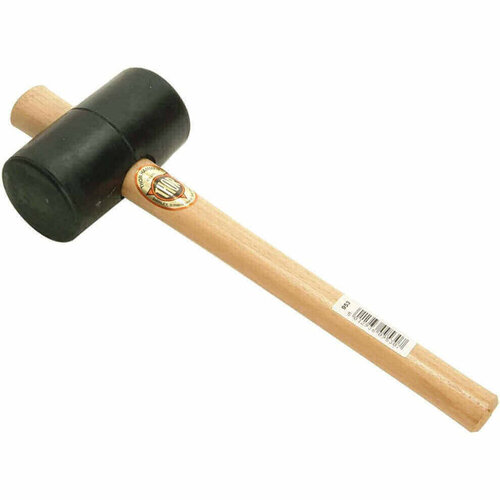
Faithfull Rubber Mallet - 76mm Black
76mm black rubber mallet with wooden handle, 750g
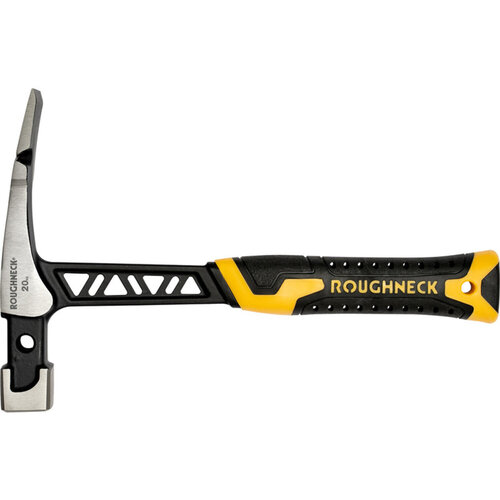
Roughneck Gorilla V-Series Brick Hammer - 20oz
20oz brick hammer with V-Shock anti-vibration, chisel end and nail puller
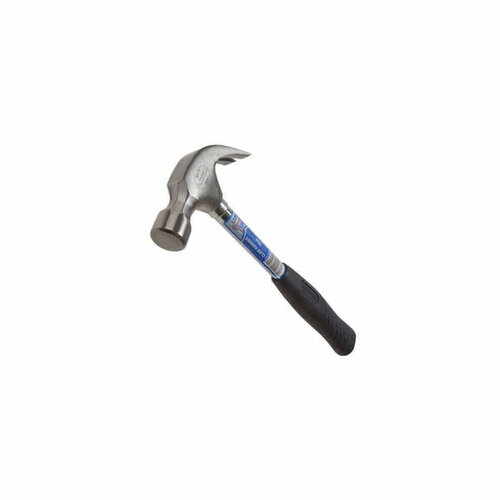
Faithfull Claw Hammer Steel Shaft - 16oz/454g
16oz claw hammer with hardened claws and steel shaft
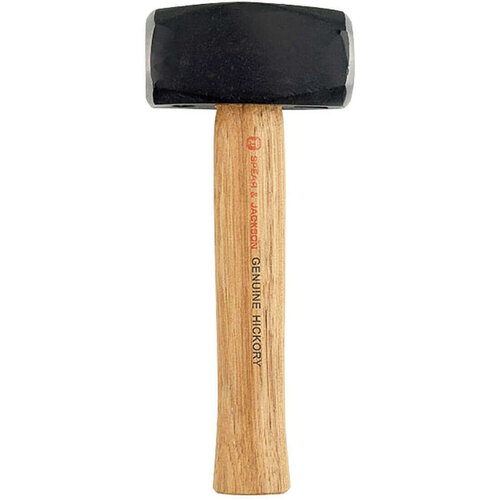
Spear & Jackson Club Hammer Hickory - 4lb
4lb club hammer with hickory handle
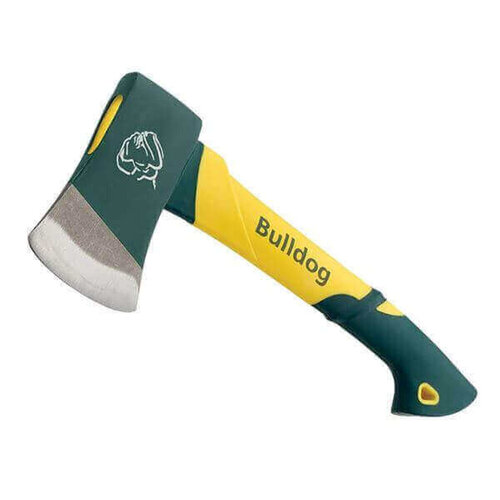
Bulldog Fibreglass Hatchet Axe Rubber Handle - 1.5lb
1.5 lb hatchet axe with fibreglass handle, forged head, ideal for wood chopping
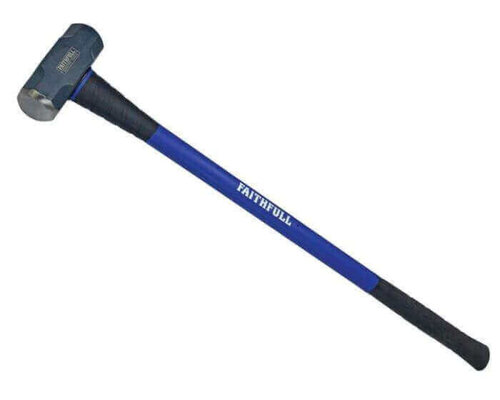
Faithfull Sledge Hammer Fibreglass Handle - 6.35kg (14 lb)
6.35kg sledge hammer with virtually unbreakable fibreglass handle.
For the Trade
Start with what the job is asking of the tool. Hammers and axes are usually chosen on weight, balance and how much abuse they’ll take before you look at the finer detail. A lighter hammer keeps you moving on repetitive fixing work. A heavier one earns its keep when you need more drive and fewer blows. If it’s going to live in the van and get knocked about, look at the tougher build first. For cleaner, more controlled work, balance matters more than brute weight. That’s usually where the decision gets made.
Hammers & Axes Types and Layouts
A claw hammer is the everyday fixing option when you want control and a clean pull. A framing hammer gives you more drive and a straighter swing for heavier timber work.
A club hammer sits in the middle for knocking, tapping and general site abuse. A sledge hammer is the one you reach for when impact matters more than finesse.
A brick hammer or cross pein hammer suits masonry and joinery work where you need a more specific face or better control. You give up some all-round use, but you gain accuracy where it counts.
The main product formats and layouts split the range by how much force, control and reach you need: a hammer and axe with a lighter, more compact head is easier to place in tight fixings, while a longer, heavier layout gives you more drive for demolition or rough shaping. Pick the format that matches the job, because the wrong one slows you down or leaves you overworking the swing.
If you’re building out Hand Tools, this is the point where you narrow it to the job rather than the label.
What to Check Before You Buy
Material is where most of the choice gets made.
A steel shaft hammer is usually the pick when you want a firmer enamelled face for tougher daily use. It takes more punishment than lighter options, but you do feel the extra weight over a long shift.
Acrylic is easier to move around. It can be kinder when you’re carrying tools all day, though it doesn’t have the same solid feel. That handling difference matters. The material changes how the tool sits in your hand and how it behaves on the job.
If you’re also picking out heavier striking gear, Bolsters & Wrecking Bars is the next stop. For general site kit, Building Tools usually comes into the decision as well.
Useful Alongside Hammers & Axes
Once you’ve picked the right hammers and axes, the next call is what else needs finishing around the job. If you’re breaking out old work, bolsters and wrecking bars save you reaching for the wrong striking tool and chewing up the edge.
For heavier site work, building tools and storage keep the kit together and stop the good hammer disappearing into the van. The tool is chosen for the strike, but the surrounding gear is what keeps the job moving without swapping back and forth.
Related searches
Local availability for Hammers & Axes















