Plastering Tools
Plastering tools come down to the job in hand and how much control you need over the finish. A wide trowel and hawk suit general wall work, while smaller knives and spatulas are better around reveals, patches, and repairs. For longer runs, a rule helps you spot high points early. If you’re mainly skimming, the face finish matters more than extra bulk.
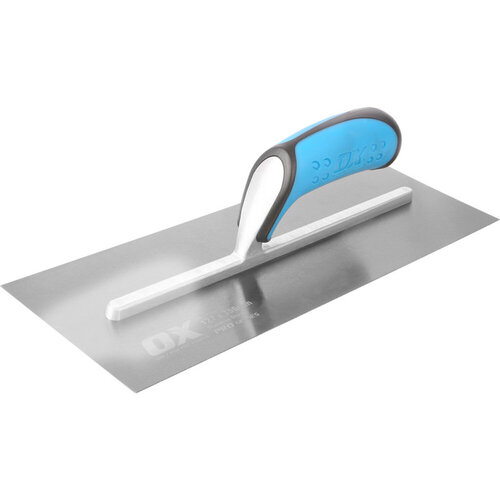
OX Tools Pro Plastering Trowel Pre Worn Stainless Steel with Duragrip Handle - 1…
Pre-worn 120x280mm plastering trowel with Duragrip handle.
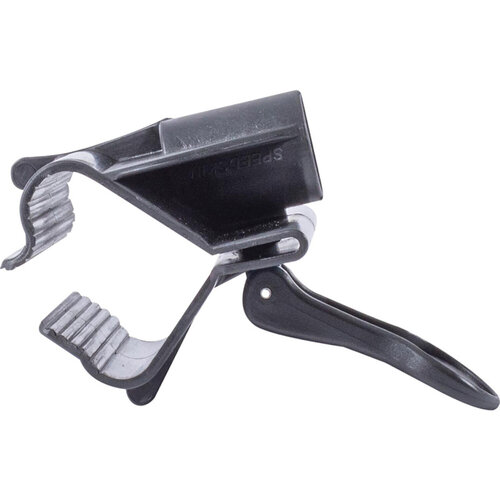
OX Speedskim Universal Pole - Attachment
Plastic pole attachment with universal steel thread and eyelet for OX Speedskim.
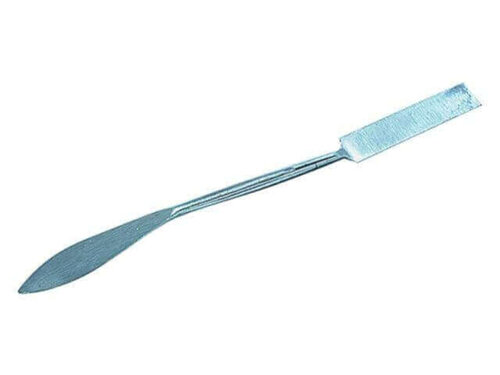
RST Small Tool Leaf & Square End - 1/2"
Double-ended plastering tool with leaf and square ends, forged carbon steel
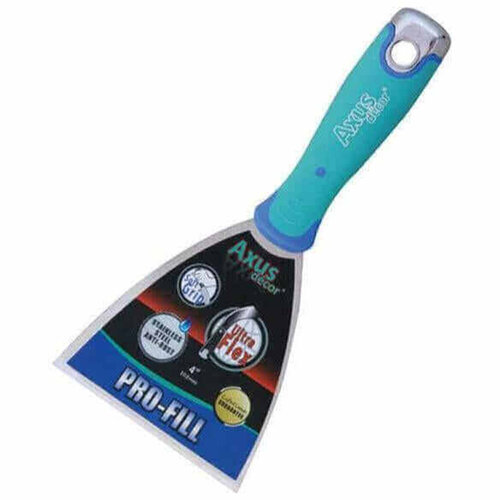
Axus Decor Pro-Fill Filling Knife - 38mm Blue
38mm filling knife with blue finish
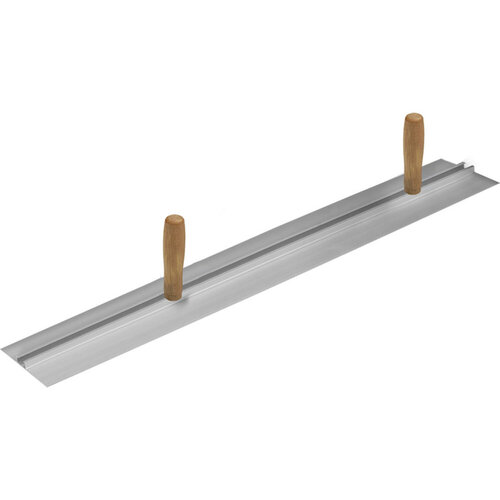
Aluminium Plasterers Darby - 1200mm
1200mm lightweight aluminium plasterers darby with wooden handle
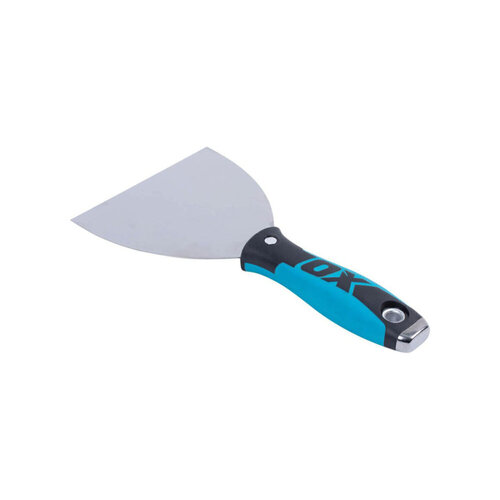
OX Tools Joint Knife - 5" Straight edge rigid
5-inch rigid joint knife with stainless steel blade and mirror polished finish
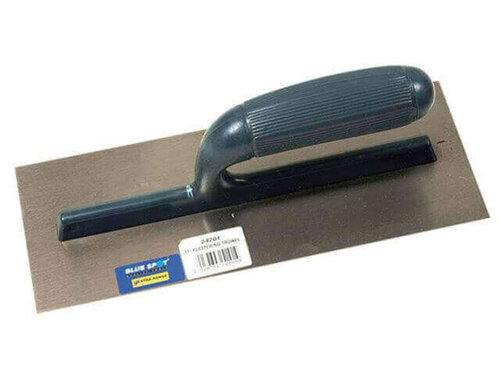
Blue Spot Plastering Trowel Plastic Handle - 280mm
Blue Spot plastering trowel with plastic handle, 280 millimetres, hardened steel…
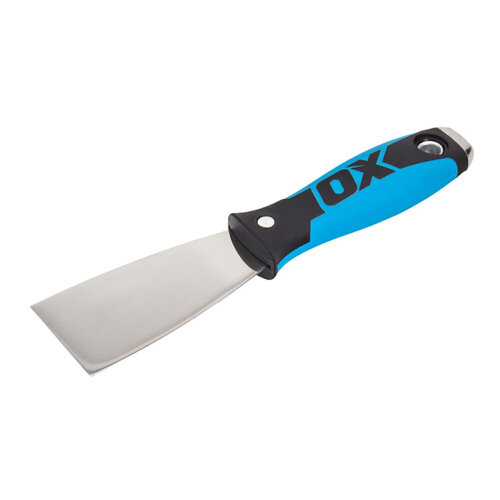
OX Tools Pro Joint Knife - 50mm
OX Pro 50mm joint knife with hammer end and DURAGRIP handle
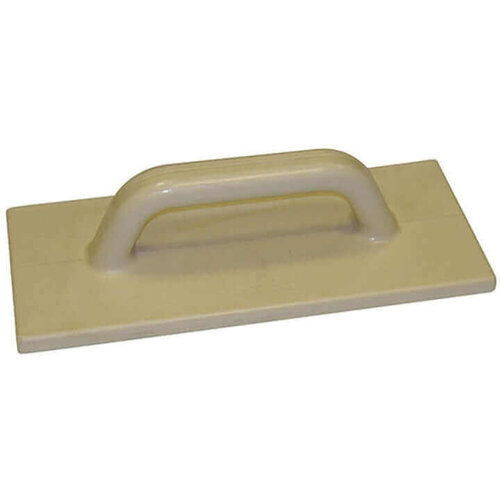
Spear & Jackson Plastic Float - Large
Large plastic float for smoothing plaster on walls and ceilings
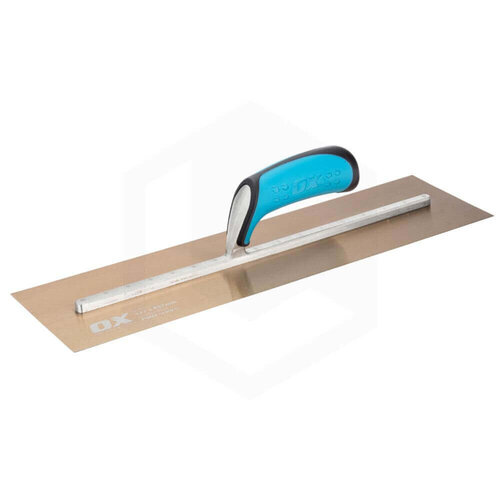
OX Tools Pro Stainless Steel Plasterers Trowel - 127mm x 457mm
Stainless steel plasterers trowel, 127mm x 457mm
For the Trade
Start with the space you’ve actually got and how the tool will be used on the day. If access is tight, a smaller setup is usually easier to live with than carrying extra size you can’t swing properly. On open work, where you’re covering more area, you’ll want plastering tools that keep control steady and cut down the faffing between passes. Finish and accessories matter, but they come after that first call. The wrong setup slows you down, not the badge on the handle.
Types of Plastering Tools
Plastering trowels are the main buy for laying on and finishing. They suit the core pass, where control and a clean edge matter most.
Plastering hawks keep the material close, so you are not back and forth to the bucket. That saves movement on longer runs, but it does not replace the trowel in the hand.
Plastering floats come in when you are working the surface rather than just closing it up. A rule is the better pick when you need to check flatness over a wider run.
Smaller plastering knives and spatulas suit patches, beads and awkward details. They give you reach where a full-size trowel gets in the way, though they are not the right choice for broad coverage.
If you are only buying one set, start with the work you do most, then move across to Hand Tools if you need to fill out the rest of the kit.
Selection Factors for Plastering Tools
What usually decides it is the finish you need and how much room you have to work in. For broad wall work, choose plastering tools with enough face size and stiffness to keep the pass even. For patching, reveals and awkward corners, smaller plastering knives and spatulas stay easier to control.
A hawk with a comfortable grip matters on longer runs. If it tires your hand, you load less and stop more. For flatness checks, keep a straight edge or rule on the van. Use the finer finishing bits once the base work is sorted.
If you’re also picking up Screwdrivers & Hex Keys or Soldering & Brazing for the same job, keep those separate. They’re for the next task, not the plastering itself.
Finish the Room
Once you’ve picked the plastering tools, the next call is usually what’s going around the job and what needs protecting. If the area’s being finished out, you’ll often be looking at panels or screens first, then storage and adjacent finishes so the rest of the work doesn’t get knocked about.
A tidy setup matters because a damaged edge or marked surface is the bit that gets blamed later. Keep the surrounding products in step with the finish you’re aiming for, and don’t overbuy the extras - the wrong accessory usually just adds clutter until the last day.
Related searches
Local availability for Plastering Tools













