Pliers & Cutters
Start with what you’re gripping or cutting, and how much reach you need. Long nose and needle nose styles suit tight access and fine work, side cutters handle clean wire cuts, and locking pliers give you a firm hold when grip alone is not enough. Combination pliers cover general use, but repetitive work or heavier material usually calls for a more specific layout.
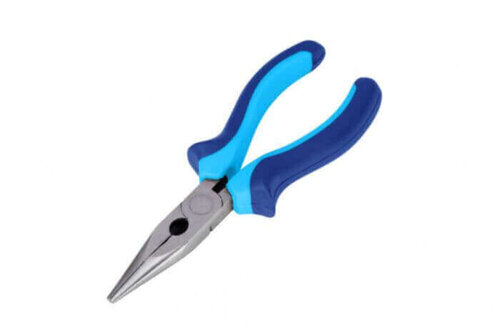
Blue Spot Long Nose Pliers - 150mm
150mm long nose pliers with drop forged micro plated steel, soft grip handles
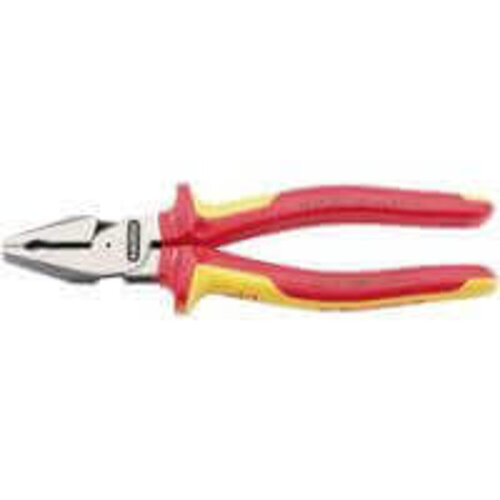
Draper VDE Fully Insulated High Leverage Combination Pliers - 200mm
VDE insulated combination pliers for live working up to 1000V AC
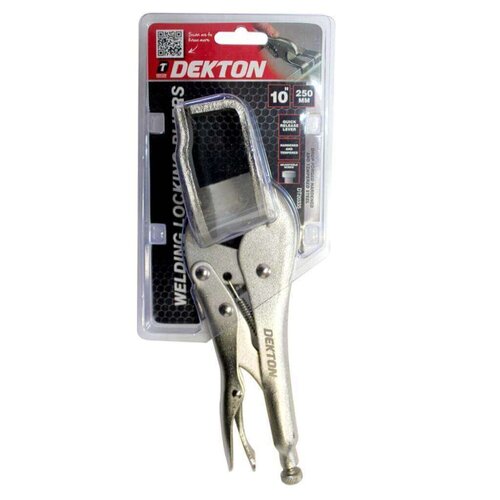
Dekton Welding Locking Plier - 10"
10-inch welding locking pliers with quick release and adjustable screw
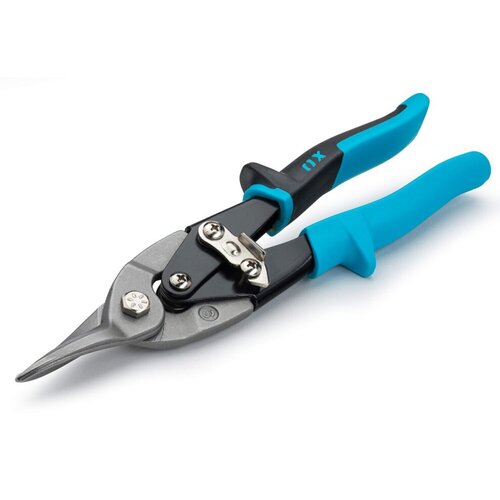
OX Trade Aviation Snips - Straight Cut
OX Trade straight cut aviation snips, blue finish – OX-T232901
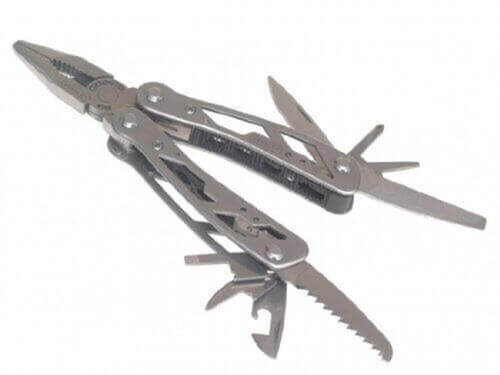
Stanley Multi Tool Pliers
12-in-1 multi tool pliers with knife, saw, screwdrivers and file, supplied with …
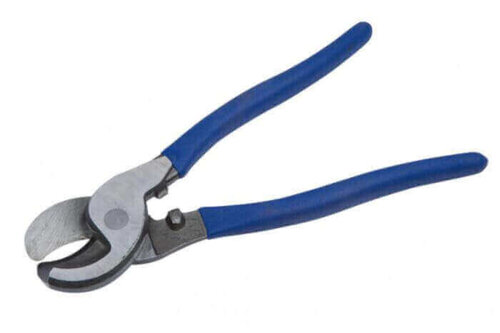
Blue Spot Cable Cutter - 250mm
250mm cable cutter for aluminium, copper, and plastic sheathed cables
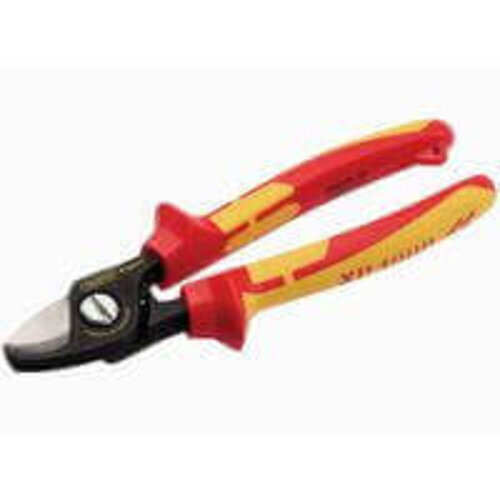
Draper XP1000 VDE Cable Shears - 170mm Tethered
VDE cable shears with 15mm cutting capacity and tethered fixing for work at heig…
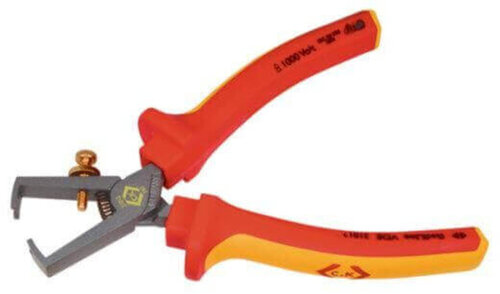
Carl Kammerling Redline VDE Wire Stripping Pliers - 160mm
VDE-certified wire stripping pliers, 160mm, with chrome vanadium steel.
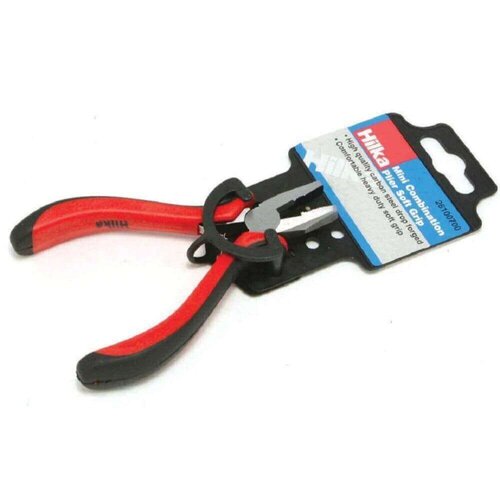
Hilka Mini Combination Pliers Soft Grip
Mini combination pliers with soft grip, drop forged carbon steel
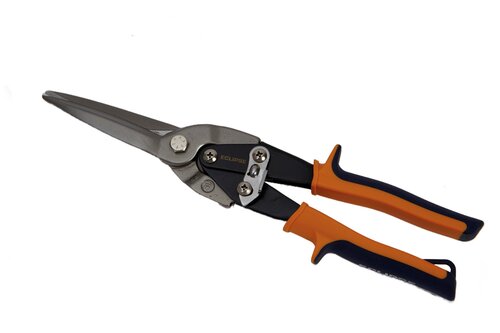
Cmstool S&J Extra Cut Snips
Cmstool S&J Extra Cut Snips
For the Trade
Before you pick pliers and cutters, work out the space you’ve got and how the tool’s going to be used. Tight access pushes you towards slimmer jaws and a longer reach. Heavier handling calls for a stronger head and a grip that sits well in the hand. Combination pliers suit general work. Locking pliers earn their keep when you need to hold something and leave it. Side cutters are the usual call for flush cuts, but they’re not the answer if you need more leverage or a cleaner bite on tougher material. The wrong shape slows you down, not the finish or the extras.
Pliers & Cutter Options Compared
Most jobs come down to reach, grip and how much force you need. Standard pliers and cutters cover the everyday work. Combination pliers give you a bit of everything, so you do not need to carry two tools. Long nose or needle nose styles come into their own where access is tight and control matters more than leverage.
Side cutters are the usual pick when you want a clean cut without crushing the material. They are not the one for heavy twisting. Locking pliers hold where an ordinary jaw would slip, but you give up speed and finesse.
Start with the core Hand Tools range, then pick the format that suits the job.
Choosing Materials and Size
Jaw shape and head size usually decide it.
If you need reach into a tight fixing or around a crowded panel, slimmer jaws are worth the trade-off in leverage. For heavier gripping or twisting, a broader head and a stronger joint will take more abuse, though they are less handy in confined spots.
For cutting, check the wire or material first. A light pair will nick and crush if you push it too far.
If the job is more about levering or breaking out, you are usually into Bolsters & Wrecking Bars rather than pliers and cutters. For general site work and mixed fixing tasks, Building Tools often covers the rest without overbuying.
Completing the Setup
Once you’ve picked the pliers and cutters, the next spend is usually the bits that finish the job around them - storage, protection and the fixings that stop you making a mess of the rest of the work.
A decent pouch or organiser matters more than people admit. Loose side cutters and locking pliers get knocked about in the bottom of a van, and they soon end up blunt or out of line.
If the job runs into panels, screens or other finishes, order those at the same time. It keeps the last stage moving and avoids a hold-up over one small missing part.
Related searches
Local availability for Pliers & Cutters


















