Plumbing Tools
When you’re choosing plumbing tools, start with the job in front of you: pipe size, access, and whether you need cutting, bending, gripping or clearing. A pipe cutter is the cleaner pick where you’ve got room and want a neat finish. A pipe wrench or water pump pliers make more sense when you’re dealing with seized fittings or awkward access. Pipe bending tools save time on repeat runs, but only if the pipe type and space justify carrying them. The usual mistake is buying for the van rather than the job. Match the kit to the work you’re pricing today.
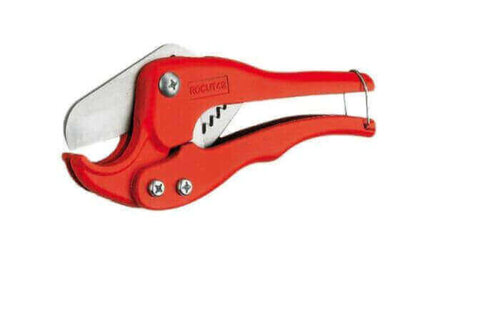
Rothenberger Rocut Plastic Pipe Cutter - 42mm
Rothenberger Rocut 42mm plastic pipe cutter for square cuts on MDPE, PE, PP, hep…
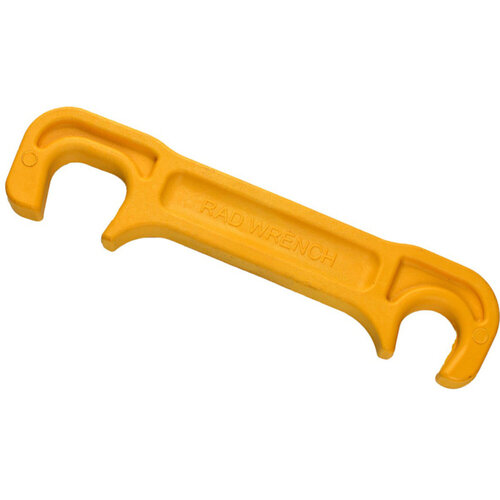
Monument Radiator Valve Spanner
Radiator valve spanner for fitting and removal of radiator valves, made in Brita…
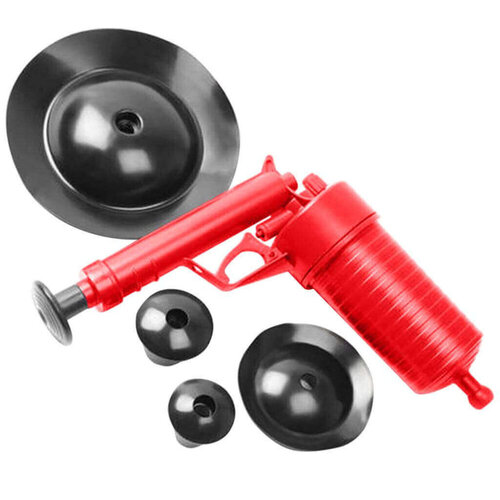
Dekton Drain Blaster with Four Attachments
Drain blaster with four attachments for clearing blockages without chemicals
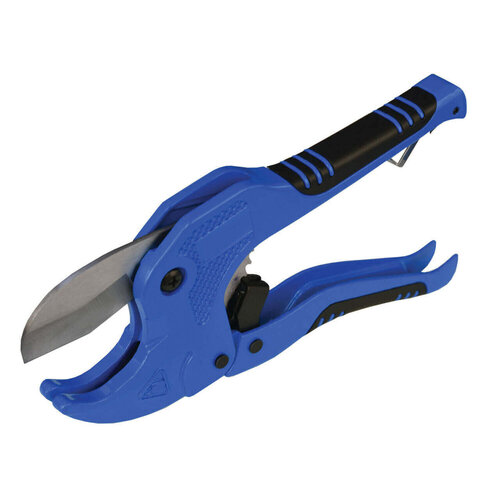
Faithfull Plastic Pipe Cutter - 42mm
Ratchet-action pipe cutter for neoprene, polythene and rubber up to 42mm
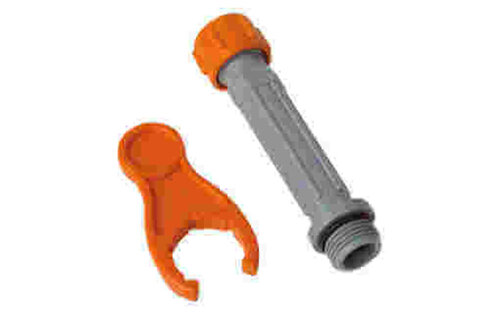
Buteline Extended Test Plug - 1/2" BSPT
Extended test plug with 1/2" BSPT thread
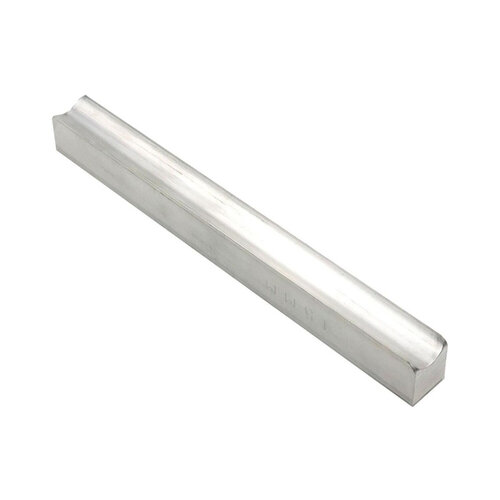
Monument Copper Pipe Bender Guide - 15mm
Monument copper pipe bender guide, 15mm.
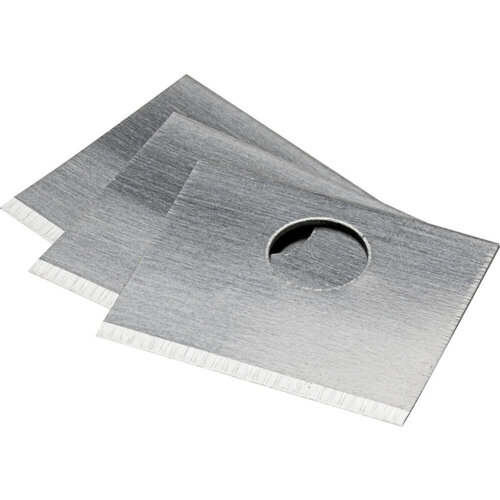
OX Pro Polyzip Pipe Cutter - Spare Blades 3 Pack
Spare blades for OX PRO POLYZIP pipe cutter, 3 pack
Regin Oil Pressure Test Kit Rego80
Oil pressure test kit with 1/8" BSP flexible hose and manifold.
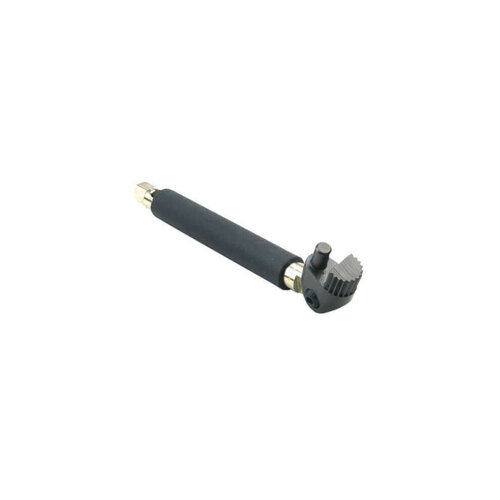
Monument Shorty Handle Only
Monument 4537G Grip+ Shorty handle for back nut box spanner sockets
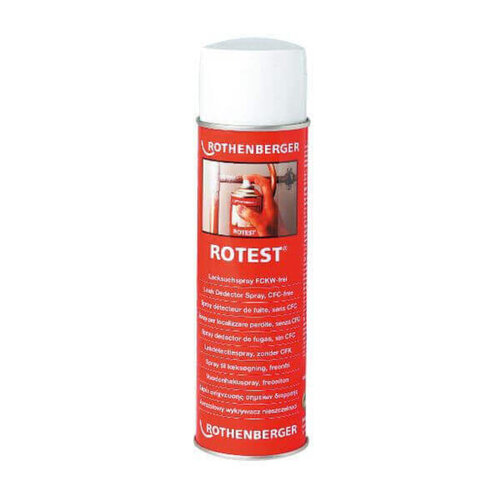
Rothenberger Rotest Leak Detector Spray - 400ml
400ml gas leak detection spray for reliable identification of gas leaks
For the Trade
Start with the space you’ve got and how the job will be used. That usually decides the kit before you look at finishes or extras. A compact set makes more sense where access is tight or you’re carrying it between occupied jobs. A fuller setup suits repeat work if you’ve got room to store it. The same goes for pipe bending tools and a pipe wrench. If the run is awkward or the fitting is buried, you want the right format in hand, not a box full of bits you won’t use. The jobs that go smoothly are the ones where the tool layout matches the work.
Plumbing Tool Options Compared
A general trade kit suits mixed call-outs because you can cover more jobs without swapping tools every few minutes. It keeps the bag flexible. More focused professional plumbing tools make more sense when the same task repeats all day and you want less dead weight.
Pipe cutting tools and pipe deburring tools handle the clean-up that stops rework on pipework. A pipe wrench or water pump pliers comes into play when fittings are tight or awkward. If you want the wider counter view, start with Hand Tools.
Choosing Materials and Size
The first call is usually whether you’re buying plumbing tools for mixed call-outs or for one repeat job. For day-to-day work, a smaller set is easier to carry and quicker to sort through. For regular pipework, you’ll want the bits that save time on the same tasks every day.
Size matters too. A bigger kit gives you more coverage, but only if you’re not hauling unused kit around. If the job is more about breaking out or making good around pipework, Bolsters & Wrecking Bars and Building Tools are the next counters to look at.
Completing the Setup
Once you’ve picked the plumbing tools for the job, the next call is usually the surrounding finish and access. If you’re boxing pipework in, the panel or screen needs to suit the route you’ve left yourself. Awkward access is what turns a neat job into a return visit.
Storage matters as well. A proper bag or organiser keeps cutters, wrenches and bending gear together instead of rattling round the van.
For the visible finish, wastes, traps and trims are worth ordering with the tools, not after. The wrong size or style is what holds the job up at the end.
Related searches
Local availability for Plumbing Tools

















