Sawing & Cutting
Start with what you’re cutting and how clean the finish needs to be. A hacksaw or junior hacksaw suits metal and tight access, while tenon saws, panel saws and back saws are the usual pick for cleaner timber work where the cut line matters. Coping saws handle awkward curves, and drywall saws are the one you reach for when you need a quick cut in board without taking the wrong blade to site.
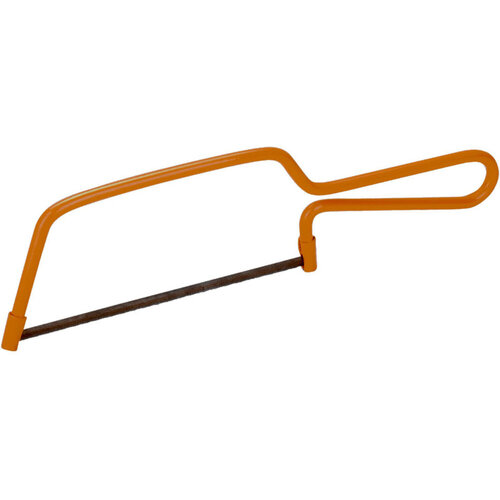
Bahco Junior Hacksaw - 290mm
Compact hacksaw with 150mm blade for cutting metal in tight spaces
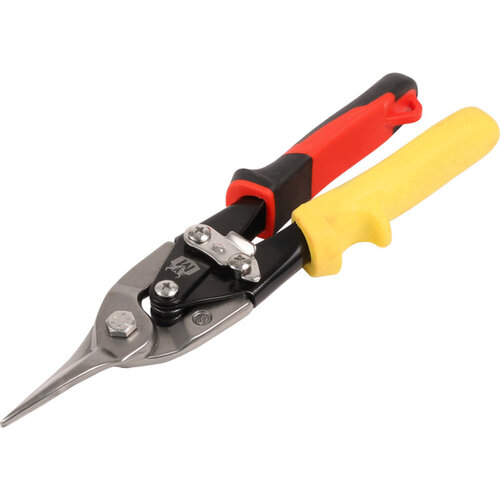
Minotaur Aviation Snips - 250mm Straight
250mm straight-cut aviation snips for sheet metal and plastics
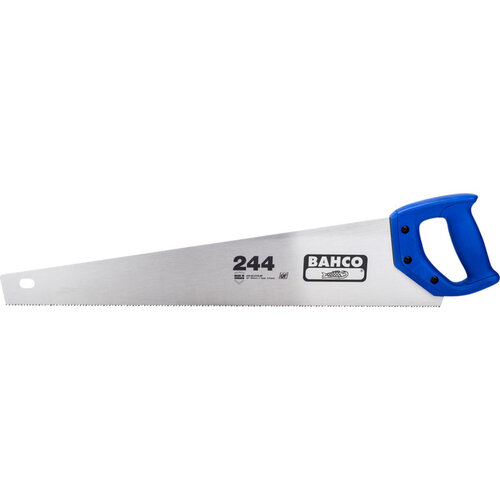
Bahco First Fix 244 Hardpoint Saw - 550mm (22")
550mm hardpoint hand saw for wood, plastics and soft metals
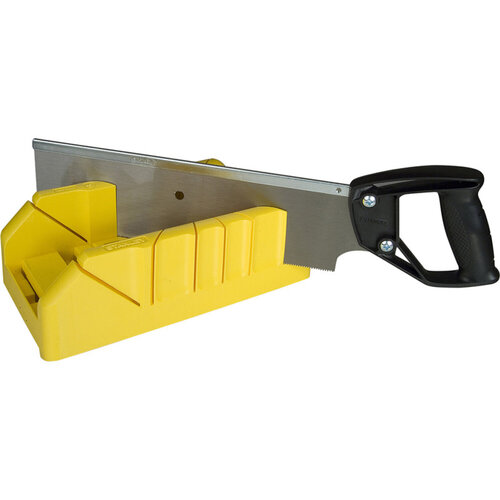
Stanley Saw Storage Mitre Box with Saw
Mitre box with 305mm tenon saw, guides for 90°, 45°, 22.5° and scarf cuts
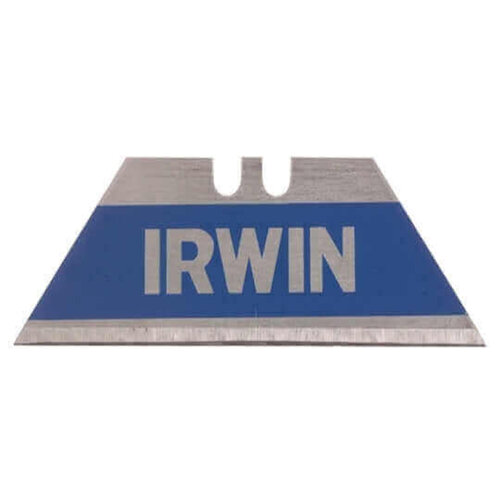
Irwin Carbide Knife Blades
Irwin carbide knife blades, stays sharp 3x longer, fits standard knives.
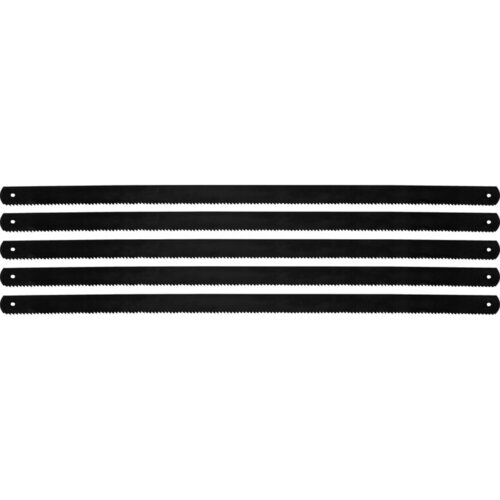
Minotaur Junior Hacksaw Blades - 150mm (6") 5 Pack
150 millimetres junior hacksaw blades, 24 TPI, 5 pack
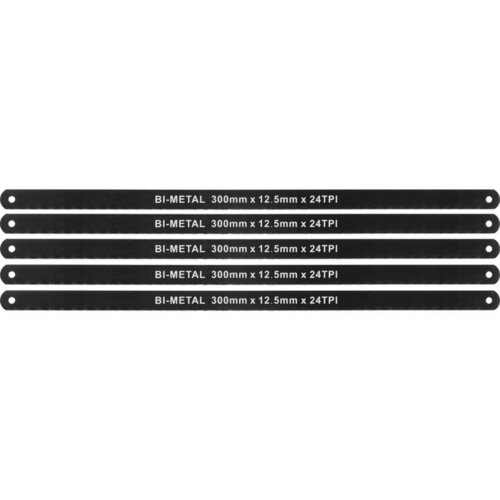
Minotaur Hacksaw Blades - 300mm (12") 24 TPI 5 Pack
Pack of 5 bi-metal hacksaw blades, 300mm, 24 TPI
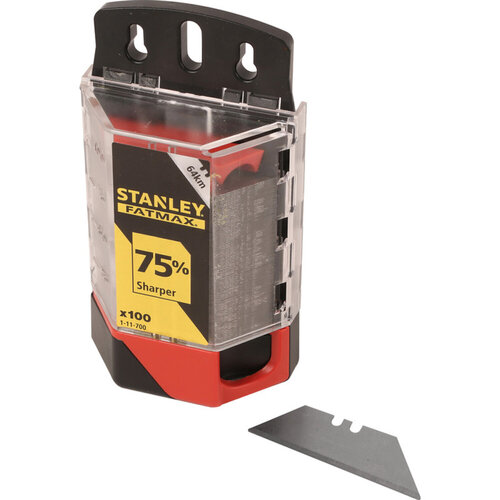
Stanley Fatmax Utility Blades - 100 Pack
Stanley FatMax utility blades, 100-pack
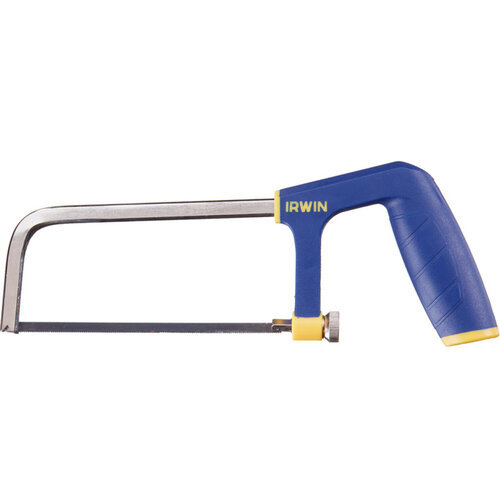
Irwin Junior Hacksaw - 150mm (6")
Irwin junior hacksaw with 150mm blade, blue metal frame, and ergonomic handle
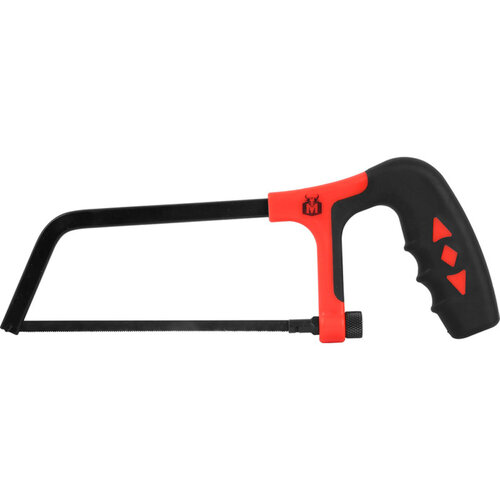
Minotaur Junior Hacksaw - 150mm (6")
150mm junior hacksaw with 24 TPI blade for precise cutting
For the Trade
You narrow sawing and cutting by asking two things first: what finish the job needs, and how much control you need in the cut. A panel saw or back saw suits cleaner timber work where the line matters. A coping saw gives you more control on tighter shapes and awkward scribing. If you’re cutting mixed materials or working in a cramped space, a general hand saw may be the safer call because it’s less fussy. The usual mistake is buying for one neat cut and then finding the blade or frame is wrong for the rest of the job.
Sawing & Cutting Options Compared
For sawing and cutting, start with the finish you need and how much control you want over the cut.
Hand saws cover general timber work when you want one all-rounder. Panel saws are the better shout for longer, cleaner cuts in sheet or board because they track better and leave less tidying.
Tenon saws suit finer joinery where a stiffer back helps keep the line honest, but you give up reach. Back saws do a similar job with more control, so they’re the one you reach for when the cut has to stay precise.
If you’re building out the rest of your kit, start from Hand Tools and then pick the saw that matches the job.
Choosing Materials and Size
Material usually narrows the choice first. In wood cutting saws, a finer tooth and thinner plate give you more control, but the cut slows down and the blade can clog sooner if the timber is rough or wet.
Coarser options clear faster and feel less fussy, but you give up a cleaner finish. The same trade-off runs through sawing and cutting. Lighter tools are easier to handle through the day, while stiffer, heavier ones usually track better. If the job is more about breaking out than finishing, look at Bolsters & Wrecking Bars. If you’re setting out and marking as well, Building Tools usually comes into the conversation.
Completing the Setup
Once you’ve picked the sawing and cutting tool, the next call is usually what finishes the surrounding work. If you’re opening out a wall or trimming board, building tools help you make good around the cut. Bolsters and wrecking bars come in when the job turns from neat trimming to removal.
Where the cut edge needs holding or lining up before fix-off, clamps and spreaders save you chasing movement later. A loose panel is the one that gets blamed for the bad finish. Keep the rest of the kit matched to the job. The wrong follow-on tool usually costs more time than the cut itself.
Related searches
Local availability for Sawing & Cutting



















