Soldering & Brazing
Soldering and brazing starts with heat source and access. A mains kit suits bench work and repeat jobs. A gas soldering iron or brazing torch makes more sense away from power, or on heavier copper and pipe. A soldering station gives steadier control for finer work. If the joint needs more heat or quicker recovery, move up to gas.
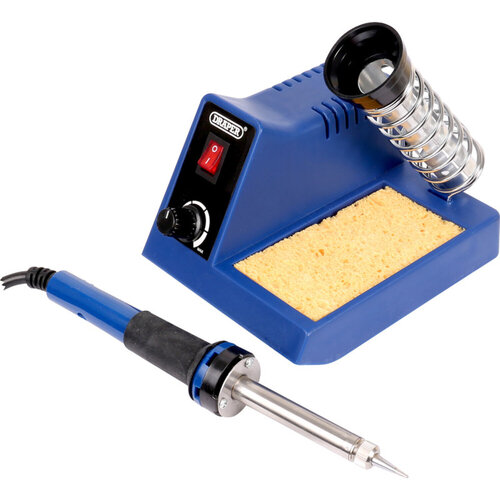
Draper Soldering Station - 40W
40W soldering station with variable temperature and overheat protection, compact…
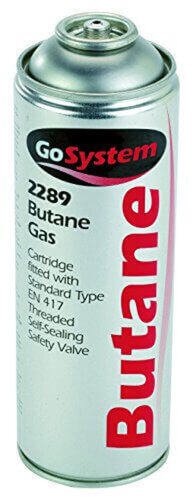
Gogas Butane Propane Mix - 277g
277g butane propane mix gas canister.

Rothenberger High Temperature Soldering Mat
Heat-resistant soldering mat for surface protection up to 1000°C
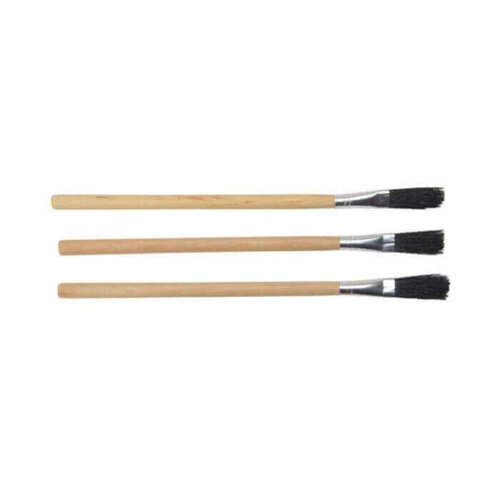
Monument Wooden Flux Brushes - 3 Pack
Wooden flux brush set (3 pack) for soldering and general use
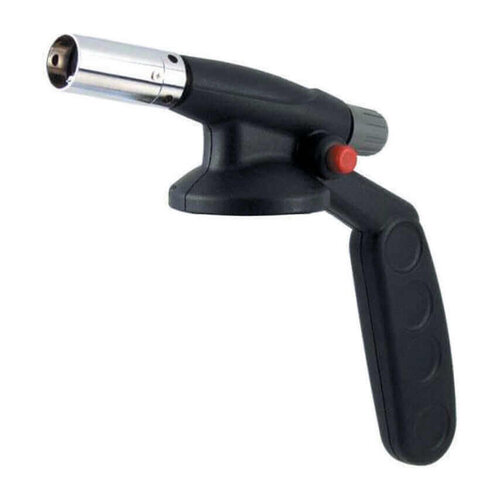
Gogas Auto Start Blow Torch
Auto start blow torch from Gogas.
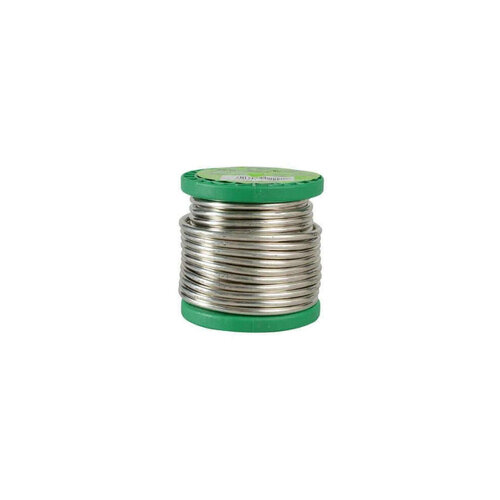
AIM Lead Free Solder Wire - 0.5kg
Lead-free solder wire 0.5kg reel for copper pipework, plumbing and heating
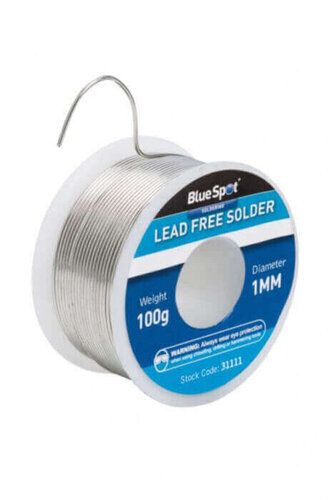
Blue Spot Electrical Soldering Pre-Fluxed Lead Free Solder Reel - 1mm 100g
Lead-free solder reel, 100g, 1mm diameter, pre-fluxed tin-copper
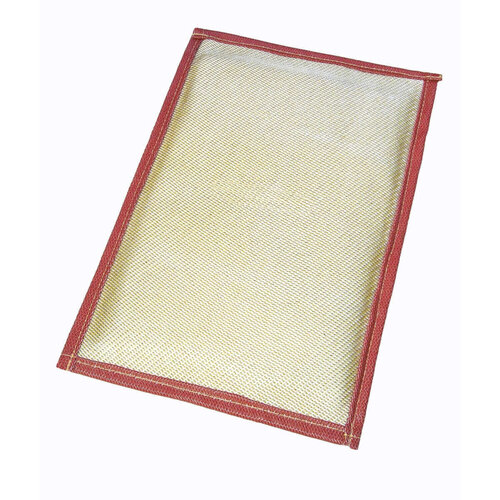
Rothenberger Supermatt Soldering Pad
High-temperature soldering pad with vermiculite coating, protects up to 1260°C

Wyndam Soldering Mat - 200mm x 260mm, up to 1200°C
Soldering mat, 200mm x 260mm, protects surfaces up to 1200°C
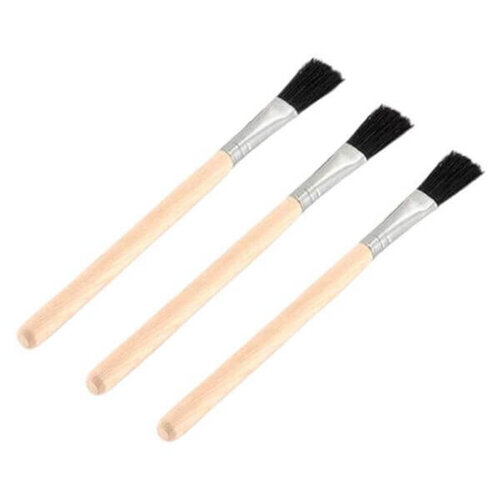
Center Flux Brushes - 3 Pack
3 flux brushes with wooden handles and crimped nylon bristles for pipe soldering…
For the Trade
Start with the space you’ve actually got and how the job will be used, then narrow the rest from there. Bench work with steady access usually points you towards a soldering station or mains setup. Awkward locations and heavier heating jobs push you towards a gas soldering iron or brazing torch. The mistake I see is buying on accessories first and finding the tool doesn’t suit the job. Once the heat source is right, you can match the solder wire, soldering flux and the rest of the soldering and brazing consumables to the joint and the pace of the work.
Soldering & Brazing Types and Layouts
Start with how much control the job needs. A soldering station suits repeat bench work because it holds temperature more steadily and cuts down on recovery time. A basic soldering iron is the simpler choice when you want a straightforward tool for lighter jobs.
Gas soldering irons suit work where mains power is awkward or you need more movement around the job. The trade-off is consistency. A brazing torch is the step up when the joint needs more heat than ordinary soldering can give. Keep your Hand Tools choice tied to the job, not the label.
What to Check Before You Buy
For soldering and brazing, start with heat and access, not price. If you’re on repeat bench work, a soldering station gives you steadier control and less faffing about with temperature recovery. If the job moves around site, a gas soldering iron is easier to carry, but you give up that same consistency.
When the joint needs more heat, a brazing torch earns its keep. It is too much for lighter work, but it suits tougher joints where a standard iron will not do the job. Check the setup around it as well. If you are holding parts square or keeping them steady, Workbenches & Sawhorses matter more than they first appear. If old fixings need shifting before you start, Bolsters & Wrecking Bars often come into play first.
Useful Alongside Soldering & Brazing
Once you’ve picked the main tool, the next call is usually the consumables and the kit around the job. With soldering and brazing, that means the right solder wire, flux and any spare tips or nozzles before you get caught short halfway through a run.
A soldering station also needs a proper stand and cleaning gear. A dirty tip will spoil a neat joint fast.
For heavier work, keep the gas soldering iron or brazing torch set with the right fuel and ignition parts. Then sort the storage and bench side with Bolsters & Wrecking Bars or Workbenches & Sawhorses where the job needs a solid setup.
Related searches
Local availability for Soldering & Brazing















