Staple Guns & Tackers
Start with what you’re fixing and how much drive you need. A hand stapler suits trim, membrane and the odd fixing. Move to an electric staple gun or pneumatic staple gun when the job is repetitive or the material is harder. Upholstery staple gun options give you more control on finer work, while a heavy duty staple gun is the better call when the staple has to go in cleanly first time.
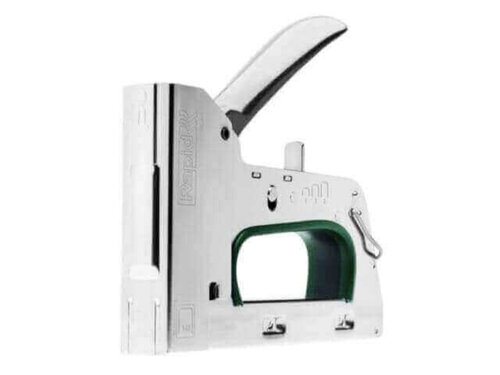
Rapid R34 Pro Heavy Duty Hand Staple Tacker
Heavy-duty hand staple tacker for 6-14mm staples, tested to 100,000 fixings
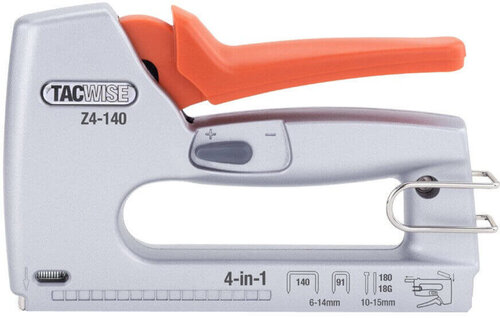
Tacwise Z4-140 Heavy Duty 4-in-1 Metal Staple Tacker - Silver
Heavy duty 4-in-1 metal staple tacker in silver
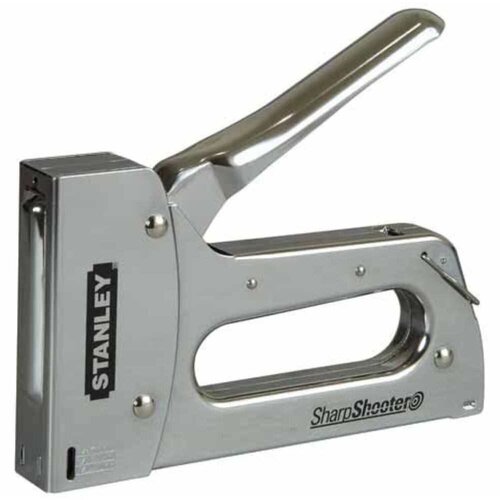
Stanley Heavy Duty Sharpshooter Staple Gun - Silver
Stanley TR110 Sharpshooter heavy-duty staple gun, silver
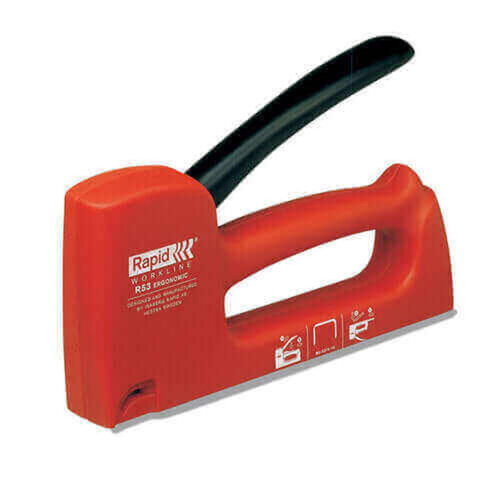
Rapid R53E Staple Gun
Light, robust staple gun for DIY and home projects
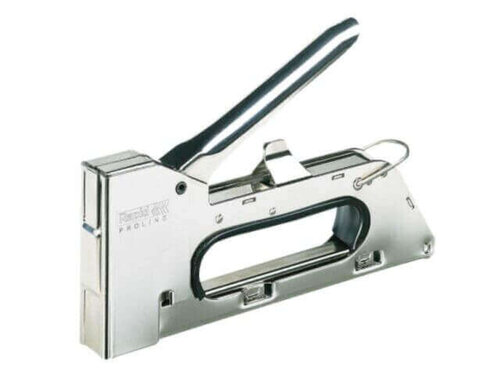
Rapid R14 Pro Heavy Duty Hand Staple Tacker
Rapid R14 Pro heavy-duty hand staple tacker
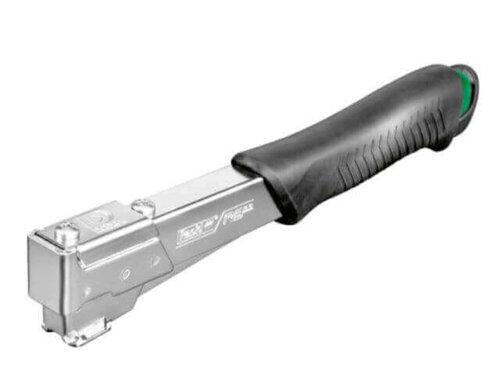
Rapid R311 Heavy Duty Hammer Staple Tacker
Heavy-duty hammer staple tacker for roofing felt, insulation and carpet underlay
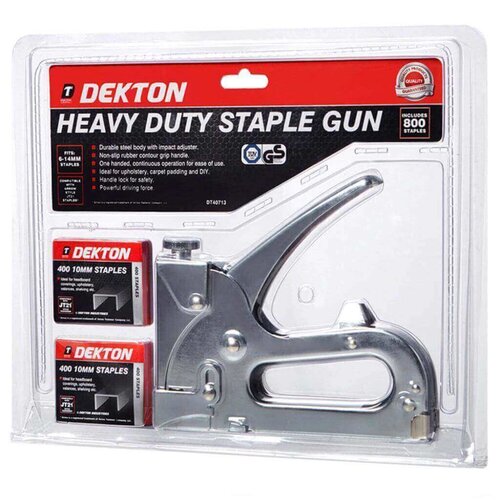
Dekton Heavy Duty Staple Gun Industrial
Heavy-duty industrial staple gun with 800 staples, fits 6-14mm
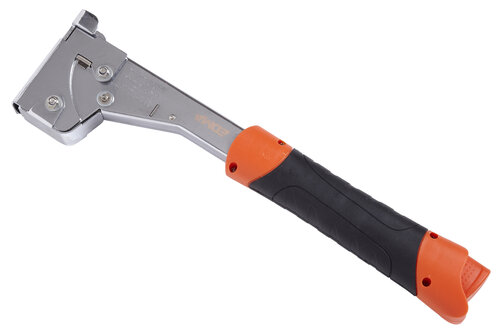
Edma Hammer Tacker - 10/12/14mm Staples
Hammer tacker for 10, 12 and 14mm staples
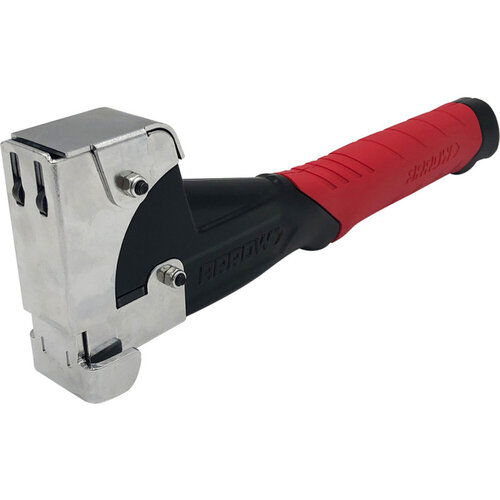
Arrow Hammer Tacker
Hammer tacker for 8/10/12mm staples with magnesium body and shock resistance.
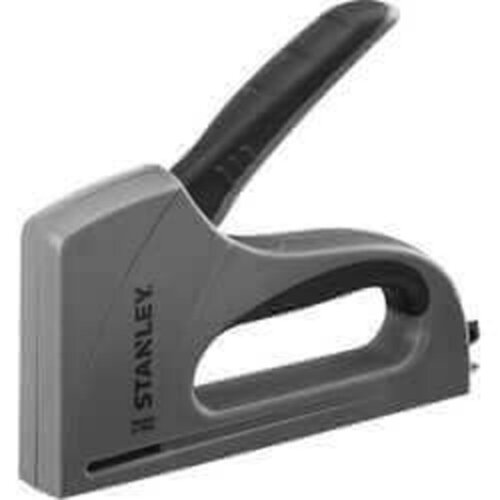
Stanley Light Duty Staple Gun
Light duty staple gun for 6-10mm staples, with jam-clear mechanism
For the Trade
With staple guns and tackers, start with the space you’ve got and how hard the job is going to be. Tight corners and constant movement call for a lighter tool. Repetitive runs or stubborn material usually need more drive and less hand fatigue. Access catches people out as well. A bulky body or awkward nose can slow you down more than the spec sheet suggests. Finish and accessories matter after that, not before.
Types of Staple Guns & Tackers
A staple gun or hand tacker suits lighter, occasional fixing. It is quick to grab and there’s nothing to set up. The trade-off is drive, so it will slow down on harder material and longer runs.
Step up to an electric staple gun when you’re doing repeated fixing and want to take the strain out of the job. A pneumatic staple gun makes more sense if you already have air on site and want more consistent drive. Upholstery staple gun models give you finer control where precision matters more than brute force. A heavy duty staple gun is the better call when the staple has to go in clean first time.
If you’re comparing the wider Hand Tools range, this is one of those categories where the tool layout matters as much as the job.
Selection Factors for Staple Guns & Tackers
Start with how often you’ll use it and what you’re fixing. A hand stapler or hand tacker is the economical pick for lighter, occasional work, but it will slow you down on long runs or harder material.
An electric staple gun gives steadier output on repetitive jobs. Go pneumatic when you want consistent drive and already have air on site. Upholstery and finer fixing need a cleaner, more controlled nose. Heavier jobs suit a more aggressive tool.
If the job is more about levering, prising or shifting than fixing, Bolsters & Wrecking Bars are the better buy. If you need to hold material flat while you work, Clamps & Spreaders usually make more sense.
Finish the Room
Once you’ve picked the staple guns and tackers, the next call is what they’re fixing into and what has to sit over it. Panels and screens usually need a clean, flush hold. Storage and trim work can take a bit more bite if the face is staying hidden.
Where the finish matters, you’ll spend more time on the fixing line than the tool itself. A staple that sits proud is the one that gets noticed. If the job runs into harder edges or awkward access, check the surrounding fixings and finishes before you commit. That’s usually where the call-backs start.
Related searches
Local availability for Staple Guns & Tackers












