Tiling Tools
When you’re choosing tiling tools, start with the job in front of you. Tile cutters handle the main cuts, while tile nippers come in for awkward edges and small trims. If the finish matters, grout float, tile spacers and tile levelling clips help keep the line straight and the joints even.

Vitrex Tiling Starter Kit
Tiling starter kit with tools for cutting, fixing and grouting ceramic tiles
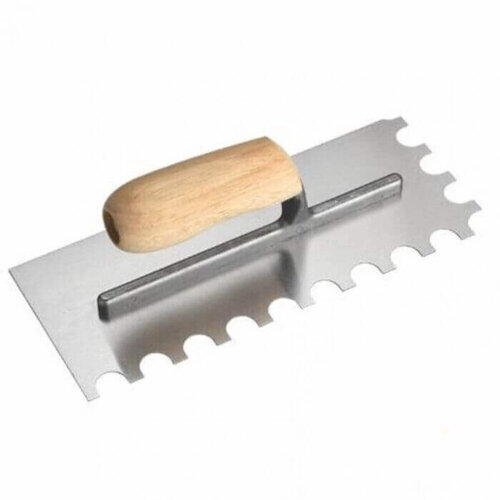
Tile Rite U Notched Trowel - 20mm high carbon steel
20mm U-notched trowel with high carbon steel blade
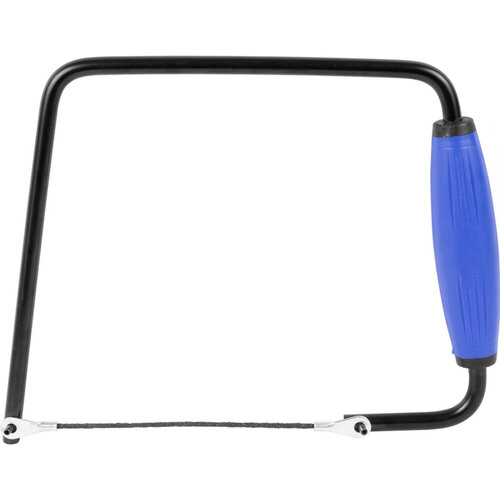
Vitrex TCT Tile Saw - 150mm
150mm tungsten carbide tile saw for cutting ceramic, floor and wall tiles
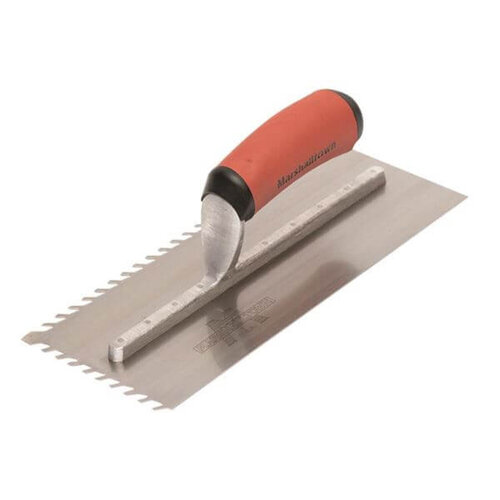
Marshalltown LayFlat Notch Trowel - 10mm 11" x 4.5"
Marshalltown 10mm notch trowel with stainless steel blade, LayFlat design
Vitrex Soft Grip Tile File
Soft grip tile file
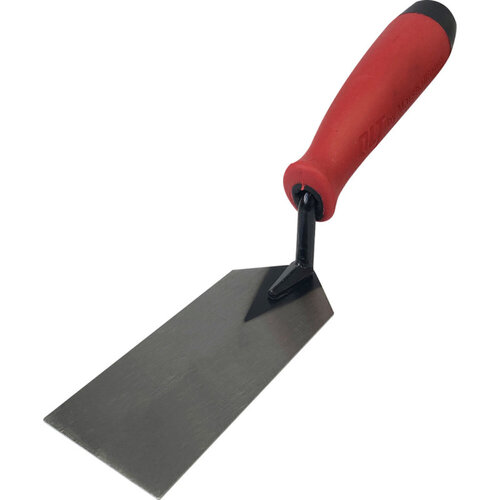
Marshalltown QLT Margin Trowel - 5 x 2''
5 x 2 inch carbon steel margin trowel with soft grip handle
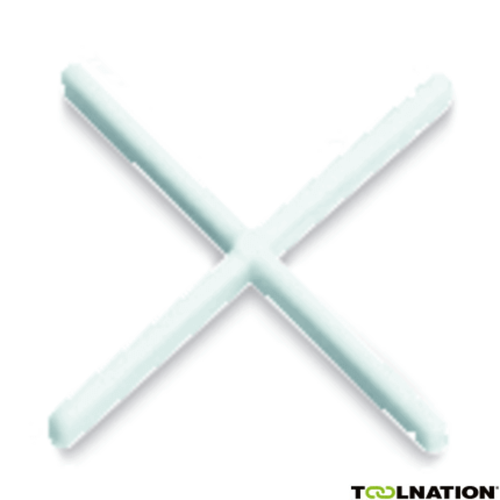
Rubi Tile Spacer Crosses - 3mm 200 Pack
3mm tile spacer crosses, 200 pack, for consistent grout lines
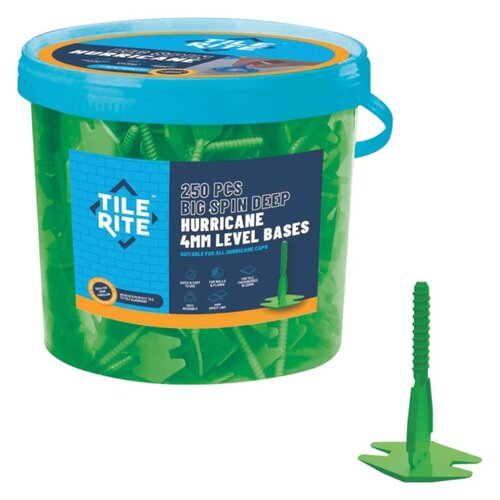
Tile Rite Big Spin Hurricane Deep Spacer Levelling System Bases - 4mm Green 250 …
Green 4 millimetre levelling bases for large format tiles
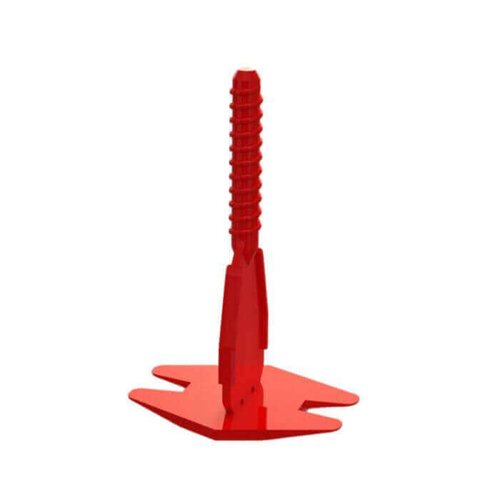
Tile Rite Big Spin Hurricane Deep Base Level Spacers - 5mm 250 Pack
Tile Rite Big Spin Hurricane Deep Base Level Spacers, 5mm, 250 pack
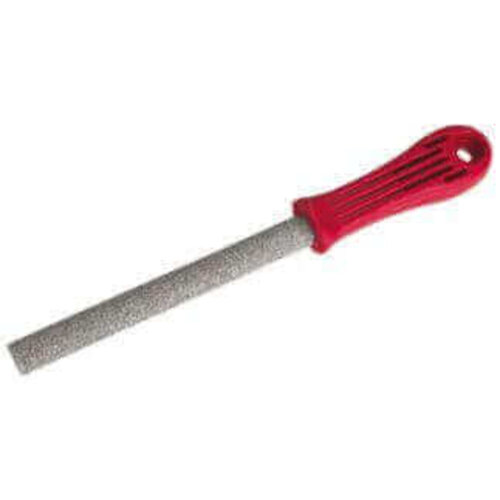
Tile Rite Handled Tile File
Coarse tungsten carbide file for smoothing cut tile edges, 160mm
For the Trade
Start with the space you’ve got and how the job’s being used, then narrow the tools from there. Tight rooms, lots of cuts, or awkward returns usually push you towards more compact tiling tools. Open floors justify heavier kit that saves time over a bigger run. A sheet that shifts or a cutter that won’t stay true is what gets called back, so handling and control come before anything else. Tile cutters, tile spacers, tile levelling clips and a grout float all earn their keep, but the right mix depends on whether you’re chasing speed, alignment, or a cleaner finish.
Types of Tiling Tools
For most jobs, you’re weighing up speed, finish and how much adjustment you want on the day. Tile cutters suit straight runs and repeat cuts because they’re quicker than faffing with hand tools. Once you’re into small trims or odd corners, tile nippers earn their keep.
Tile spacers are the cheap bit that keeps the setting-out from drifting. You only notice them when they’re missing.
A tile levelling system is worth using on larger format work where lippage will get picked up, but it does mean more parts to manage.
If you’re building the rest of your kit, keep it under Hand Tools and pick the pieces that match the job, not the shelf.
Selection Factors for Tiling Tools
The choice usually comes down to how much cutting you’re doing and how clean the finish needs to be. Manual tile cutters suit repeat straight cuts. Tile nippers earn their keep when you’re trimming awkward shapes and don’t want to drag out a bigger cutter.
On larger format jobs, a tile levelling system with tile levelling clips is worth the extra faff because lippage shows fast. For smaller, quicker jobs, spacers and a decent grout float are often enough.
If the job is more about breaking out or chasing than setting out, you’re into Hammers & Axes or Plastering Tools rather than tiling tools.
Finish the Room
Once the cutting and setting-out are sorted, the next call is usually what finishes the room cleanly. If you’re carrying on with the surrounding work, look at the panels, screens, storage and adjacent finishes that sit alongside the tiled area. That’s where the job starts to look complete rather than just fitted.
A lot of call-backs come from leaving the last bits to chance - mismatched finishes, awkward junctions or not having the right fixing pieces on site. Keep the tiling tools matched to the tile work, then make the finishing decisions around the room, not after the fact.
Related searches
Local availability for Tiling Tools












