Woodworking Tools
Woodworking tools usually come down to the job in hand: rough shaping, fine joinery, or marking and finishing. If you need accuracy and a clean cut, wood chisels, wood planes and marking out tools do the work. For shaping or easing edges, wood rasps and wood files make more sense. The trade-off is simple - heavier, broader tools move material faster, while smaller formats give you more feel where the work is tight.
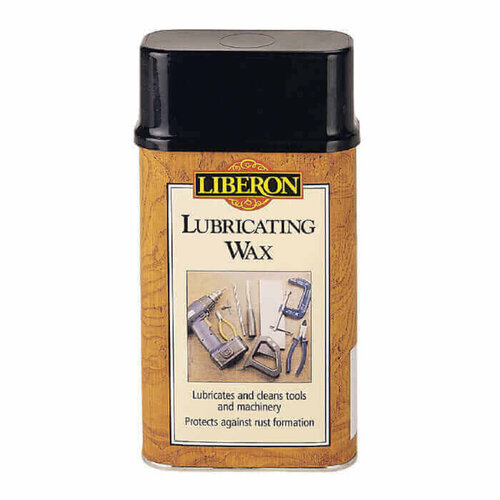
Liberon Lubricating Wax
Lubricating wax for interior tools and machinery to increase efficiency
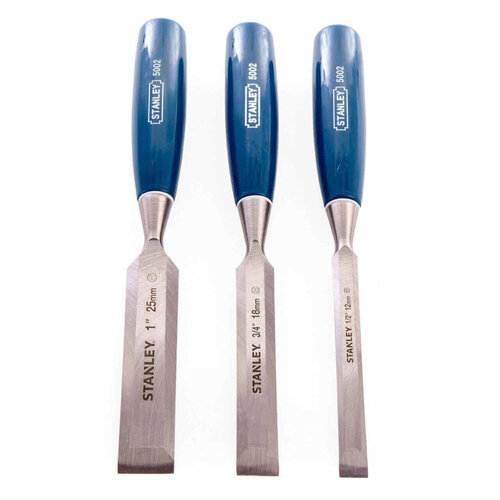
Stanley Bevelled Edge Chisel Set - 12-25mm 3 Pack
Set of 3 Stanley bevelled edge wood chisels, sizes 12-25mm
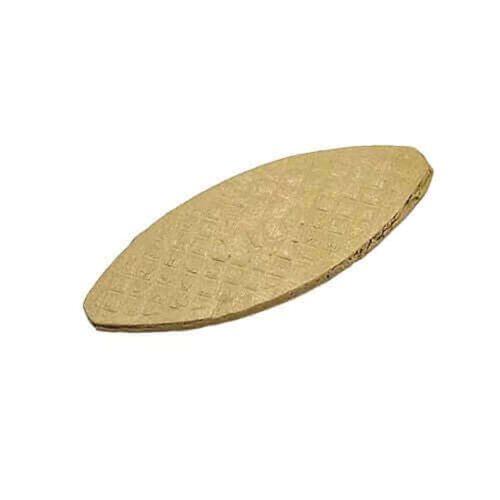
Faithfull No. 10 Wood Biscuits - 125 Pack
125-pack of No. 10 compressed composite wood biscuits for joining
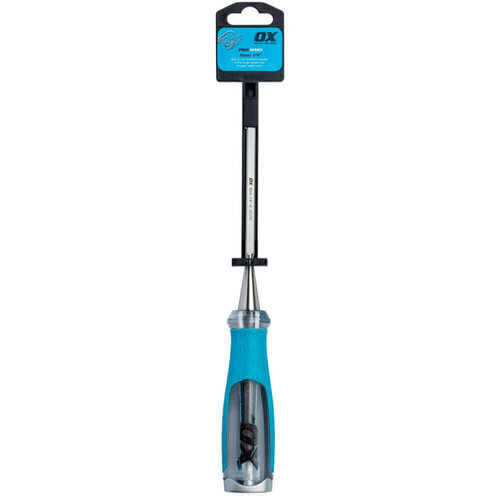
OX Tools Pro Heavy Duty Wood Chisel - 6mm
6mm heavy-duty wood chisel with forged steel core
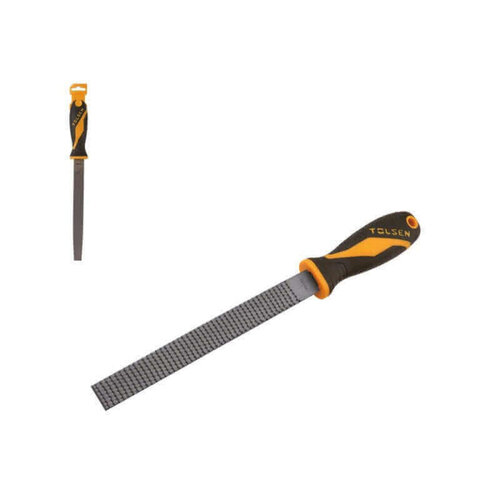
Tolsen Flat Wood File Special Tool Steel Two-Component Plastic Handle - 8"
8-inch flat wood file with special tool steel and two-component handle
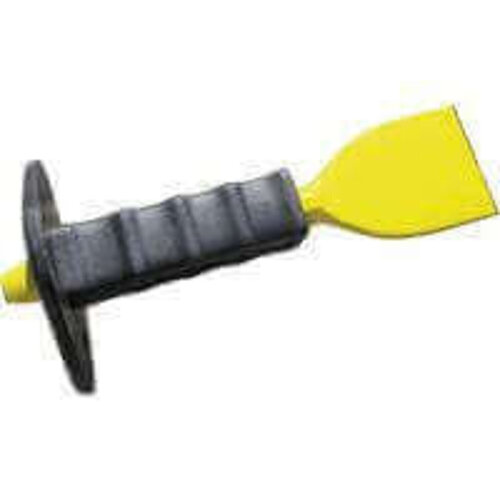
Disston Chisel with Handle Protection - 56mm
56mm floorboard chisel with rubber handle for impact and vibration protection
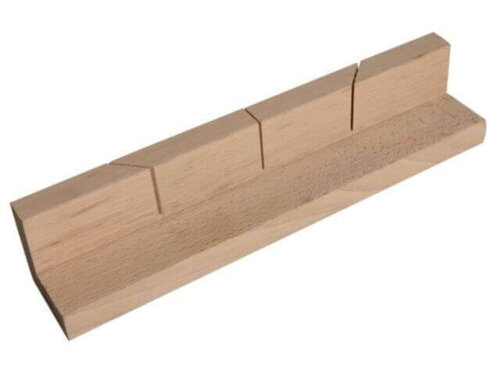
Faithfull Mitre Block Wooden - 300mm
Beech mitre block with 45° and 90° cutting slots, 300mm length
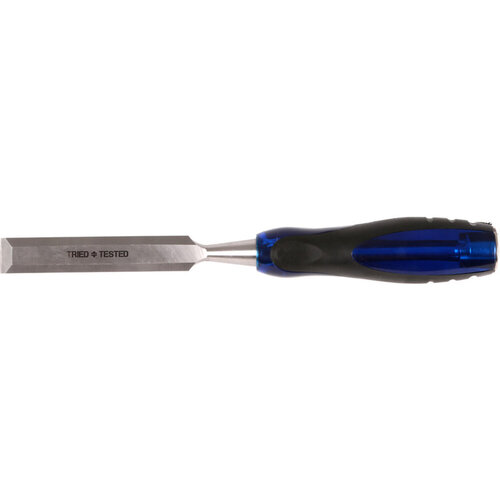
Expert Wood Chisel - 6mm
6mm wood chisel with hardened steel bevel edge blade and cushion grip handle
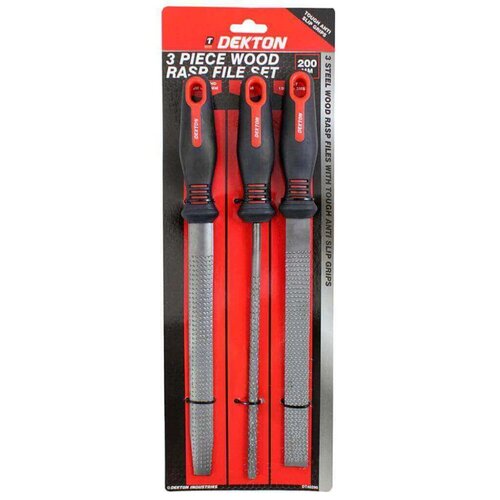
Dekton Wood File Set - 3 Pack
Heavy-duty steel wood file set with anti-slip grips, 3-pack
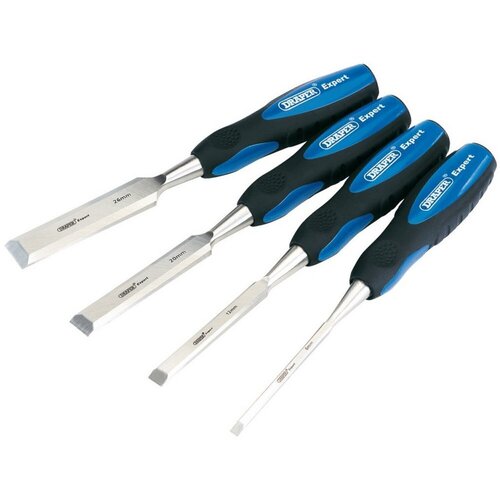
Draper Soft Grip Bevel Edge Wood Chisel Set - 150mm 4 Pack
4-piece 150mm bevel edge chisel set with soft grip handles
For the Trade
You’re usually narrowing woodworking tools by the finish you need, how much stock you’re taking off, and how much room you’ve got to work in. A plane is the cleaner pick when you want control over a face or edge. Wood chisels suit tighter joinery work where you need to pare rather than cover ground. Wood rasps and wood files come in when the job is more about easing, shaping, or correcting a small mismatch. Marking out tools matter because a bad line turns into a bad fit. The usual mistake is buying for the last operation first, then finding the first cut is what slows you down.
Woodworking Tool Options Compared
When you’re choosing woodworking tools, start with the job, not the label on the box.
For setting out and checking, woodworking measuring tools keep work consistent and cut rework. For shaping and fitting, trade woodworking tools built around planes, chisels, rasps and files give you more control, but they take longer to work through. Professional woodworking tools suit repeat work where feel matters and you want less fuss at the bench. If you only need one or two items for mixed jobs, a general Hand Tools buy makes more sense.
Choosing Materials and Size
Material choice changes how the tool feels in your hand and how it behaves on the job. Steel-faced wood planes usually give a firmer, more durable feel. Lighter-bodied versions are easier to carry and less tiring when you’re moving between jobs.
With wood chisels and wood carving tools, balance matters as much as the edge. A heavier handle can help on harder stock. A lighter one is often easier when you need finer control.
Wood rasps and wood files are better judged by cut and coarseness than by size alone. A coarser tool removes material faster, but you give up a cleaner finish.
If the job is more about levering or breaking out than fine work, Bolsters & Wrecking Bars sit outside this range. Building Tools covers the rougher site gear that does not belong in joinery.
Completing the Setup
Once you’ve picked the main woodworking tools, the next call is usually the bits that finish the surrounding job - storage, panels, screens and anything that keeps the area tidy and usable. That’s where the follow-on spend tends to go, not on more kit for the sake of it.
If you’re setting out a bench or cabinet run, the next buy is often the fixing and finishing side rather than another plane or chisel. The tool choice can be right and the job still stalls if the surrounding finish hasn’t been thought through.
Related searches
Local availability for Woodworking Tools













